
How to Fix Leash Reactivity
Leash reactivity…what is it? Does your dog have it? Is it aggression?
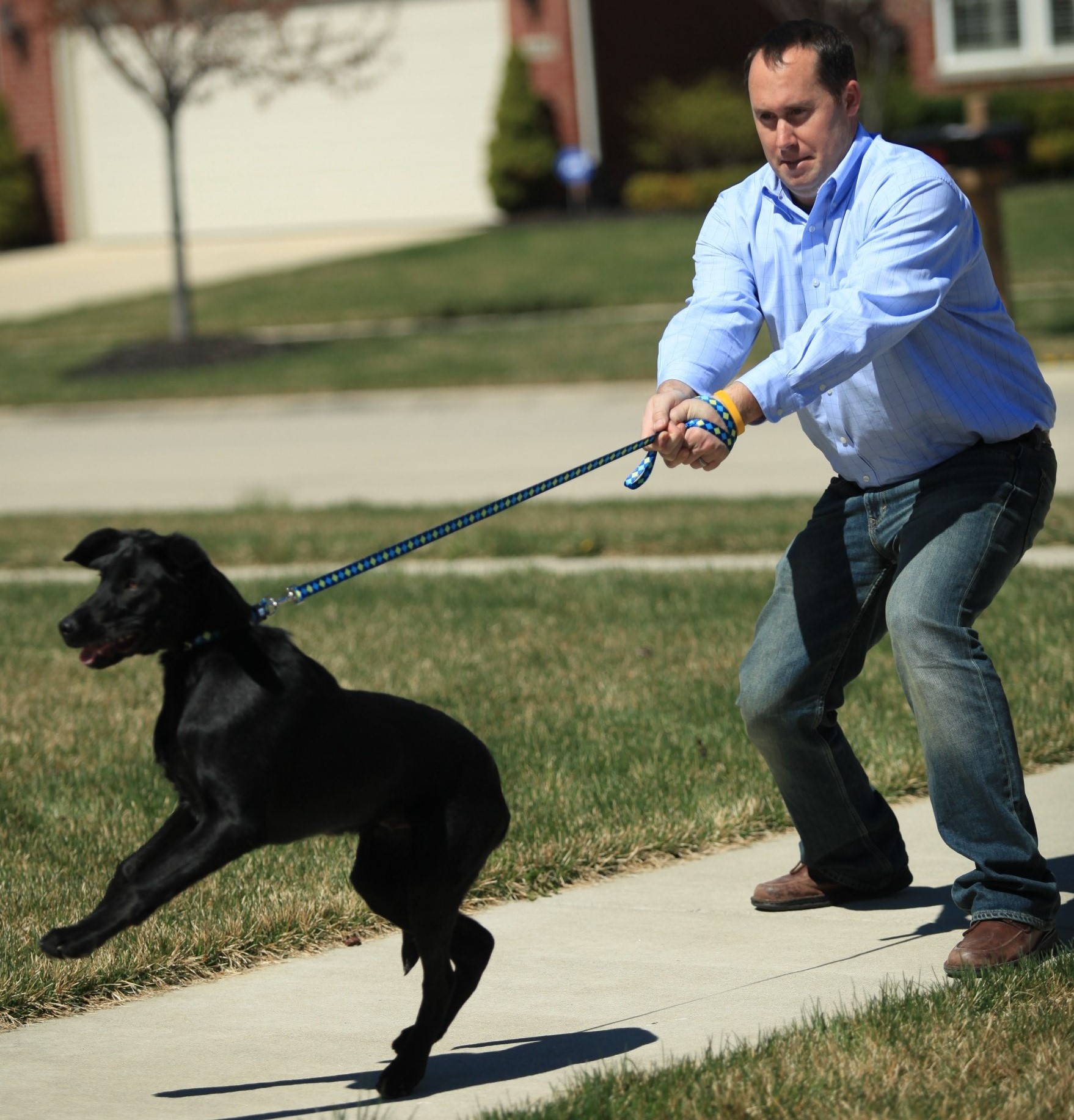
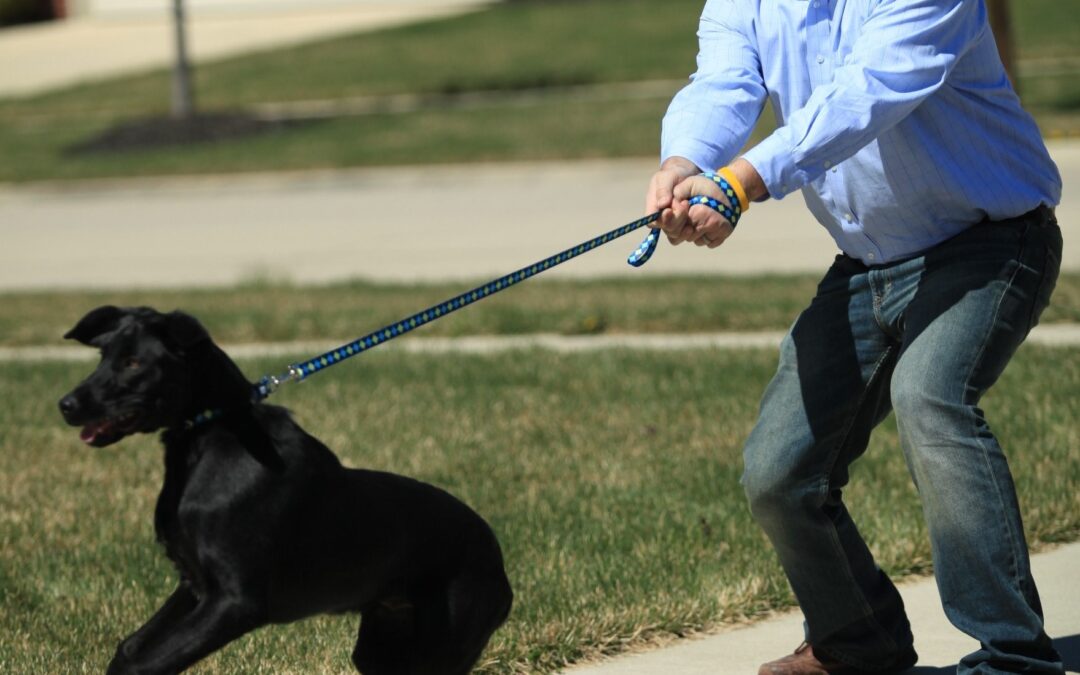
Leash reactivity is one of the most common challenges dog owners face. If your dog barks, lunges, or overreacts on walks, the good news is that this behaviour can be improved with the right training approach.
What Is Leash Reactivity?
Leash reactivity happens when a dog reacts to triggers—such as other dogs, people, or noises—while on a leash. Reactions can range from mild signs like stiff posture to intense behaviours like barking and lunging.
Importantly, leash reactivity does not always mean aggression. Many reactive dogs are simply excited, frustrated, or fearful.
Why Dogs Become Leash Reactive
1. Overexcitement
Some dogs become reactive because they are overly friendly and want to greet every dog they see. This is common in dogs that frequently visit dog parks or daycare.
2. Barrier Frustration
The leash acts as a barrier. When dogs cannot reach what they want, frustration builds and leads to reactive behaviour.
3. Fear-Based Reactivity
Fearful dogs may react aggressively to make a perceived threat go away. This often comes from past negative experiences or lack of socialization.
4. True Aggression
True aggression is rare but more serious. These cases often require long-term management and professional guidance.
How to Fix Leash Reactivity
Regardless of the cause, most successful training plans follow the same core principles:
1. Manage Distance (Threshold Training)
Work at a distance where your dog can stay calm. If your dog reacts at 35 feet, start training at 40 feet where they can still focus and learn.
If your dog is already barking or lunging, they are over threshold and cannot learn effectively.
2. Use Movement to Reduce Pressure
Keeping your dog moving helps prevent tension buildup. Standing still often increases frustration, while controlled movement keeps your dog more relaxed and focused.
3. Focus on Neutral Behaviour
The goal is not to force your dog to ignore everything, but to remain neutral. A healthy response is noticing a trigger briefly, then disengaging and moving on.
4. Use Timely Corrections (When Needed)
Corrections should be fair, well-timed, and used carefully. They are most effective before the dog escalates, not after.
However, relying only on corrections is rarely effective. Training should always include guidance and positive reinforcement.
5. Reward Good Choices
Reward your dog for calm behaviour, even small improvements. If your dog chooses to look away from a trigger or stay relaxed, reinforce that behaviour immediately.
You can also use simple cues like calmly naming what your dog sees (e.g., “that’s a car”) and rewarding calm responses.
6. Practice with Repetition
Consistency is key. Leash reactivity does not improve overnight, and regular practice is essential.
Set up controlled training sessions and gradually expose your dog to triggers while maintaining calm behaviour.
Fixing leash reactivity takes time, patience, and consistency. By managing distance, rewarding calm behaviour, and practicing regularly, you can help your dog become more relaxed and confident on walks.
The goal is not perfection—but steady progress toward a calm, neutral response in everyday situations.