Nov 30, 2023 | Puppy Training
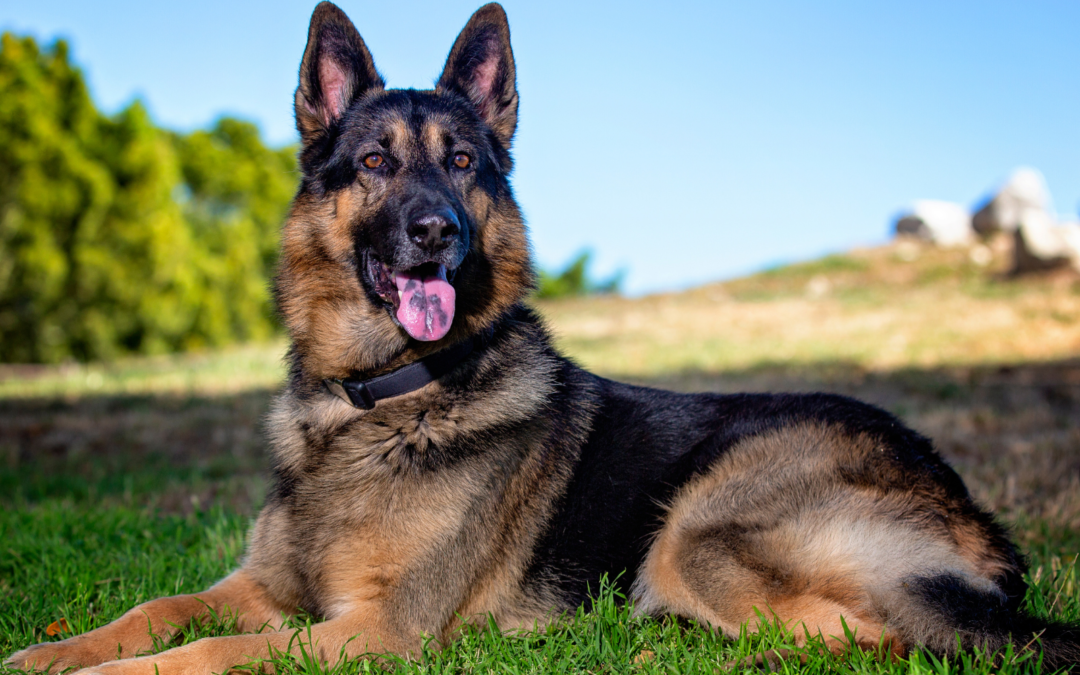
Did you know that every dog breed was originally developed for a specific purpose?
From herding livestock to guarding property or retrieving game, dogs weren’t bred randomly—they were designed to perform specific jobs. And those instincts don’t just disappear because a dog becomes a pet.
One of the biggest mistakes dog owners make is choosing a dog based on looks or a limited experience with the breed, without understanding what that dog was bred to do.
The result? Frustration—when the dog starts displaying completely natural behaviors that the owner wasn’t prepared for.
Why Breed Purpose Matters
Many of the behavior issues people struggle with are not “bad behavior”—they are simply natural instincts.
For example:
- A dog that pulls on leash may be bred to cover long distances
- A dog that chases everything may have strong prey drive
- A dog that is wary of strangers may be a natural guardian
These behaviors are not random—they are deeply rooted in genetics.
It is not the dog’s responsibility to suppress those instincts. It is the owner’s responsibility to understand them and provide proper guidance, structure, and outlets.
It’s Not Too Late to Learn
If you already have a dog and didn’t research the breed beforehand, don’t worry—you’re not alone.
We see owners learn, adapt, and completely transform their relationship with their dog all the time.
The key question is: Are you willing to understand your dog and meet their needs?
Book a Consultation
Common Dog Breeds and What They Were Bred For
Here are some of the most common breeds (and breed groups) we see in pet homes, along with the behaviors they were bred for:
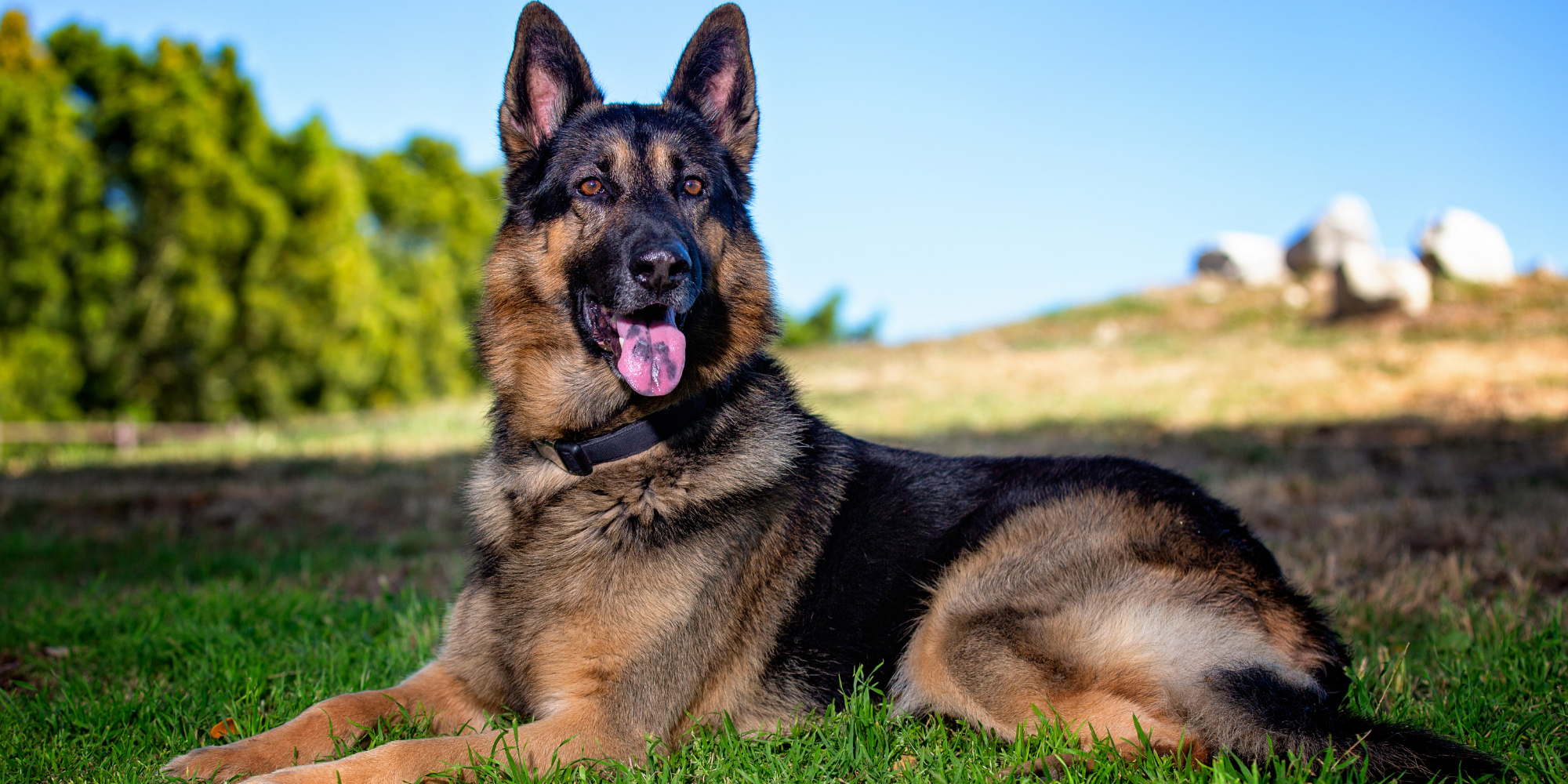
1. German Shepherds
Bred for herding and guarding sheep. Highly athletic and intelligent, with natural protective instincts. Often wary of strangers.
2. Retrievers (Golden Retrievers, Labrador Retrievers, Poodles)
Bred to retrieve game for hunters. Love water, enjoy carrying objects, and have a strong desire to work.
3. Hounds (Beagles, Dachshunds, Coonhounds)
Bred to follow scent trails. Their nose often overrides commands. Independent and driven to track.
4. Mastiffs (Cane Corso, Bullmastiff, Dogo Argentino)
Bred to guard property and protect against large threats. Strong protective instincts and territorial behavior.
5. Rottweilers
Bred to guard livestock and property. Naturally confident and often reserved with strangers.
6. Dobermans
Bred specifically for protection work. Loyal, alert, and naturally suspicious of unfamiliar people.
7. Terriers (Jack Russell, Yorkshire, Wheaten)
Bred to hunt and kill small animals. High prey drive, intense energy, and persistent behavior.
8. Boxers
Bred for guarding and hunting. Energetic, playful, and protective.
9. Pointers (Weimaraner, Vizsla, German Shorthaired Pointer)
Bred to locate and point game. High energy, strong hunting drive, and need for activity.
10. Border Collies & Australian Shepherds
Bred for herding livestock. Strong instinct to control movement—often seen as chasing, nipping, or herding people.
11. Bernese Mountain Dogs
Bred for pulling carts and working livestock. Strong, steady, and capable working dogs.
12. Doodles
A mix of retriever and another breed. Behavior can vary widely—sometimes combining traits from both parents.
13. Spaniels (Cocker, Springer, Brittany)
Bred to flush out game. Energetic, social, and often love water and retrieving.
14. Schnauzers
Bred to hunt vermin and guard property. Alert, energetic, and protective.
15. Huskies & Malamutes
Bred to pull sleds over long distances. Extremely energetic, independent, and driven to run.
16. Understanding Your Dog Changes Everything
When you understand what your dog was bred to do, their behavior starts to make sense.
Instead of trying to “stop” natural instincts, you can redirect them in a healthy and productive way.
This leads to:
- Less frustration
- Better communication
- A calmer, more balanced dog
Need Help With Your Dog’s Behavior?
If you’re struggling with your dog’s behavior, professional guidance can make all the difference.
We offer dog training in Hamilton and puppy training in Hamilton to help you better understand and manage your dog.
Book a Consultation
Jan 15, 2016 | Puppy Training
What does puppy socialization really mean?
When people get a new puppy or dog, they are often told, “You need to socialize them right away.” While that advice is well-intentioned, many people misunderstand what socialization actually means.
Somewhere along the way, puppy socialization became associated with taking a puppy to the dog park and putting them around as many dogs as possible. But that is not the best way to build a confident, well-rounded dog.
Puppy Socialization Is More Than Dog Parks
I love the idea of a dog park in theory. Dogs running off leash, enjoying the company of other dogs and people sounds wonderful.
Unfortunately, many dogs who should not be at the dog park are there regularly. Many owners do not know what to look for in healthy dog-to-dog interaction. Many dogs are not being advocated for, and many owners may not know when they should step in.
This can lead to dogs being bullied, dog fights, over-aroused behaviour, humping, chaos, and puppies leaving the park more fearful or insecure than when they arrived.
Why Dog Parks Can Be Risky for Puppies
A puppy’s early experiences matter. One bad experience can affect a puppy for a long time.
Many dogs who become reactive, fearful, or dog-aggressive were not necessarily born that way. Often, there was at least one negative experience that contributed to the behaviour. In many cases, owners can point to the exact event that changed how their dog felt about other dogs.
That is why dog parks are not always worth the risk, especially for puppies or dogs who are still building confidence.
Book a Consultation
What Puppy Socialization Should Actually Mean
Socialization should be productive, positive, and controlled.
Yes, getting your puppy around other dogs is important. However, it should be around the right dogs. Your puppy should meet calm, stable, appropriate dogs who can help create good experiences, not overwhelm or bully them.
Good socialization is not about flooding your puppy with as many dogs, people, sounds, and places as possible. It is about helping your puppy experience the world in a calm, confident, and safe way.
Safe Ways to Socialize Your Puppy With Other Dogs
If you want your puppy to have healthy experiences with other dogs, choose safer and more structured options.
Good options may include:
- Group training classes with controlled supervision
- Puppy socialization classes run by a knowledgeable trainer
- Carefully selected play sessions with calm, balanced dogs
- Friends or family members who have stable, appropriate dogs
- Structured walks around other dogs without forced greetings
Our Group Classes can help puppies and dogs learn around other dogs and people in a more structured environment than a dog park.
Socialization Also Means Exposure to the World
Getting your puppy around other dogs is only one part of socialization.
Many behaviour issues come from fear, lack of confidence, lack of trust in the handler, and not learning how to follow guidance in new situations.
More important than simply letting your puppy play with dogs is exposing them to different experiences in positive, controlled ways.
Your puppy should learn about different:
- Places
- Sounds
- Smells
- Surfaces
- People
- Environments
- Objects
- Movements and distractions
Examples of Good Puppy Socialization
 If you want a confident dog who can go places with you, start introducing your puppy to the world in thoughtful ways.
Here are some examples:
- Take your puppy to dog-friendly stores and practice calm behaviour.
- Use a long line to let your puppy safely explore parks, trails, and fields.
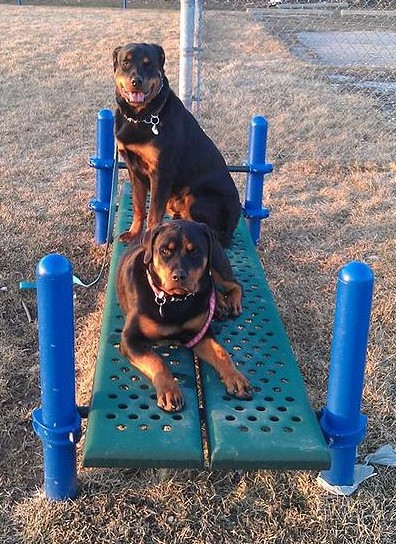
- Encourage your puppy to explore unique surfaces such as bridges, tarps, steps, platforms, or playground-style surfaces where appropriate.
- Let your puppy observe people, dogs, bikes, strollers, and vehicles from a safe distance.
- Practice calm focus and obedience in new environments.
The goal is not to overwhelm your puppy. The goal is to build confidence through successful experiences.
Confidence Is the Goal
A well-socialized puppy is not a puppy who runs up to every dog and person.
A well-socialized puppy is calm, confident, curious, and able to handle new situations without panic or chaos.
When puppies are exposed to different environments in a safe and positive way, they are more likely to grow into dogs who can handle what life throws their way.
Training Support for Puppy Socialization
If you are unsure how to socialize your puppy safely, structured training can help.
Our dog training programs can help you choose the right training option for your puppy or dog.
For puppies who need one-on-one help with confidence, manners, leash skills, or exposure work, our Private Training programs may be the best fit.
For puppies and dogs ready to learn in a structured environment around other people and dogs, our Group Classes are a great option.
If your dog needs more healthy outlets for confidence and enrichment, activities like Agility, Scent Detection, or structured Day Camp may also be helpful.
Book a Consultation
Puppy socialization is not about throwing your puppy into a dog park and hoping for the best.
It is about creating positive, productive, and controlled experiences that build confidence. Your puppy should learn how to handle dogs, people, places, sounds, surfaces, and new environments in a calm and safe way.
If you only rely on dog parks for socialization, your puppy may struggle when introduced to new real-world situations. But if you build confidence through thoughtful exposure and training, you can help your puppy grow into a more balanced and happy dog.
Contact us today if you need help socializing your puppy or building your dog’s confidence.
Happy Training!
Katherine
FAQ:
What does puppy socialization mean?
Puppy socialization means helping your puppy experience people, dogs, places, sounds, surfaces, and environments in a positive and controlled way so they can become confident and well-rounded.
Are dog parks good for puppy socialization?
Dog parks can be risky for puppies because not all dogs there are appropriate, balanced, or well supervised. One bad experience can affect a puppy’s confidence and behaviour.
How should I socialize my puppy with other dogs?
Choose calm, stable dogs, structured group classes, supervised puppy classes, or controlled play with dogs you know and trust.
What should I expose my puppy to?
Expose your puppy to different places, sounds, smells, surfaces, people, objects, and calm experiences around other dogs. Keep the exposure positive and manageable.
Can puppy training classes help with socialization?
Yes. Group classes can help puppies learn around other dogs and people in a structured environment while building confidence, focus, and manners.