Dec 17, 2023 | TESTIMONIALS
 “I highly recommend Katherine and her team at The Crunchy Canine. Training is tactful and effective for both humans and dogs.
Big bonus if you can also tap into puppy socialization.
As a first-time dog owner, I gained confidence in how to handle all sorts of dog situations, and can now take Benji with me to many places.
He walks beside me nicely, doesn’t snarl at other dogs across the street, and has even grown to like the cat.
All through the guidance and education from The Crunchy Canine. Thank you.”
Karen with Benji in Hamilton, Ontario
Dec 17, 2023 | TESTIMONIALS
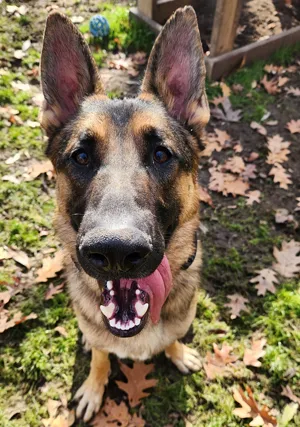 “Amazing trainers! We completed the advanced off-leash program with Katherine for our young GSD. The knowledge, guidance and support is second to none.
Our boy now attends the awesome Day Camp every Wednesday as well. We have a dog we can go out with and enjoy living with because of the support we received and everything we have learned.
Highly recommend their services.”
Stephanie with Logan in Waterford, Ontario
Oct 19, 2021 | Dog Training, TESTIMONIALS
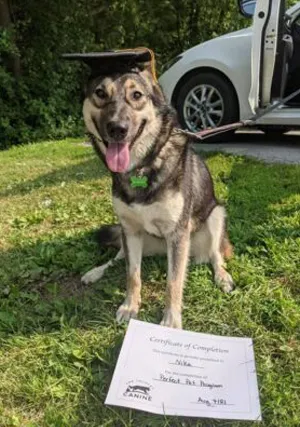 “We had such a positive experience working with our trainer Katie.
Nika really benefited from all the little tips and tricks we learned along the way and was a great fit for our needs.
Even though COVID threw a curveball at our training schedule, Katie was always so accommodating.
In the end, we feel confident that the training was one of the best things we could have offered Nika for a happy dog life.
Thanks so much to everyone at The Crunchy Canine for creating such a positive experience!”
Heather with Nika from Brantford, Ontario
Oct 27, 2020 | Puppy Training
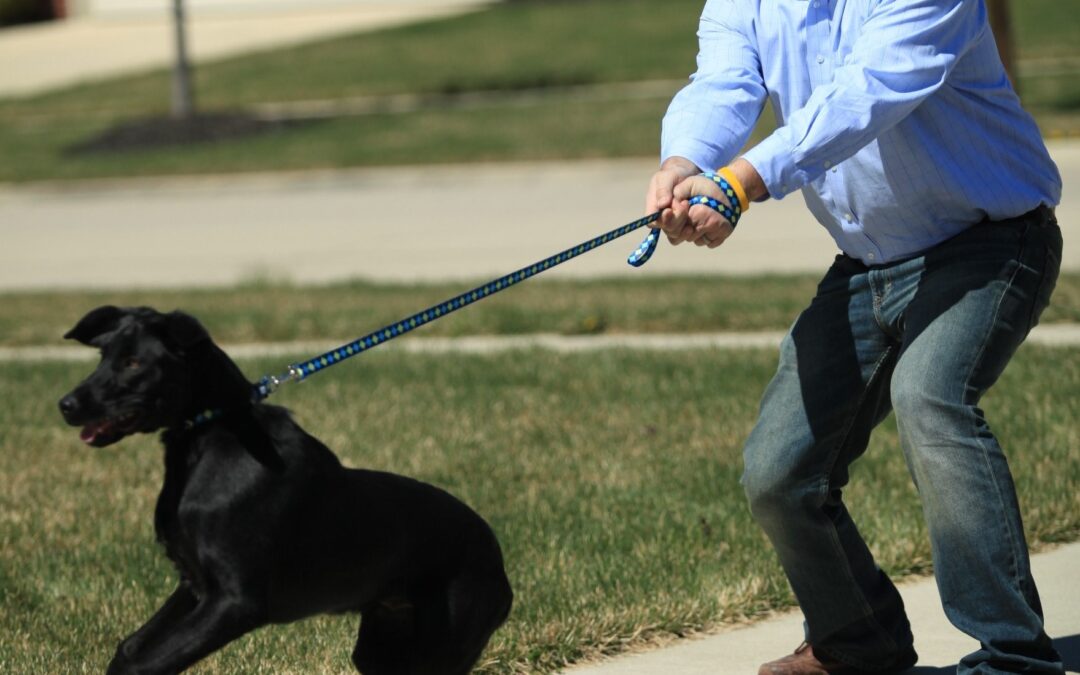
Leash reactivity…what is it? Does your dog have it? Is it aggression?
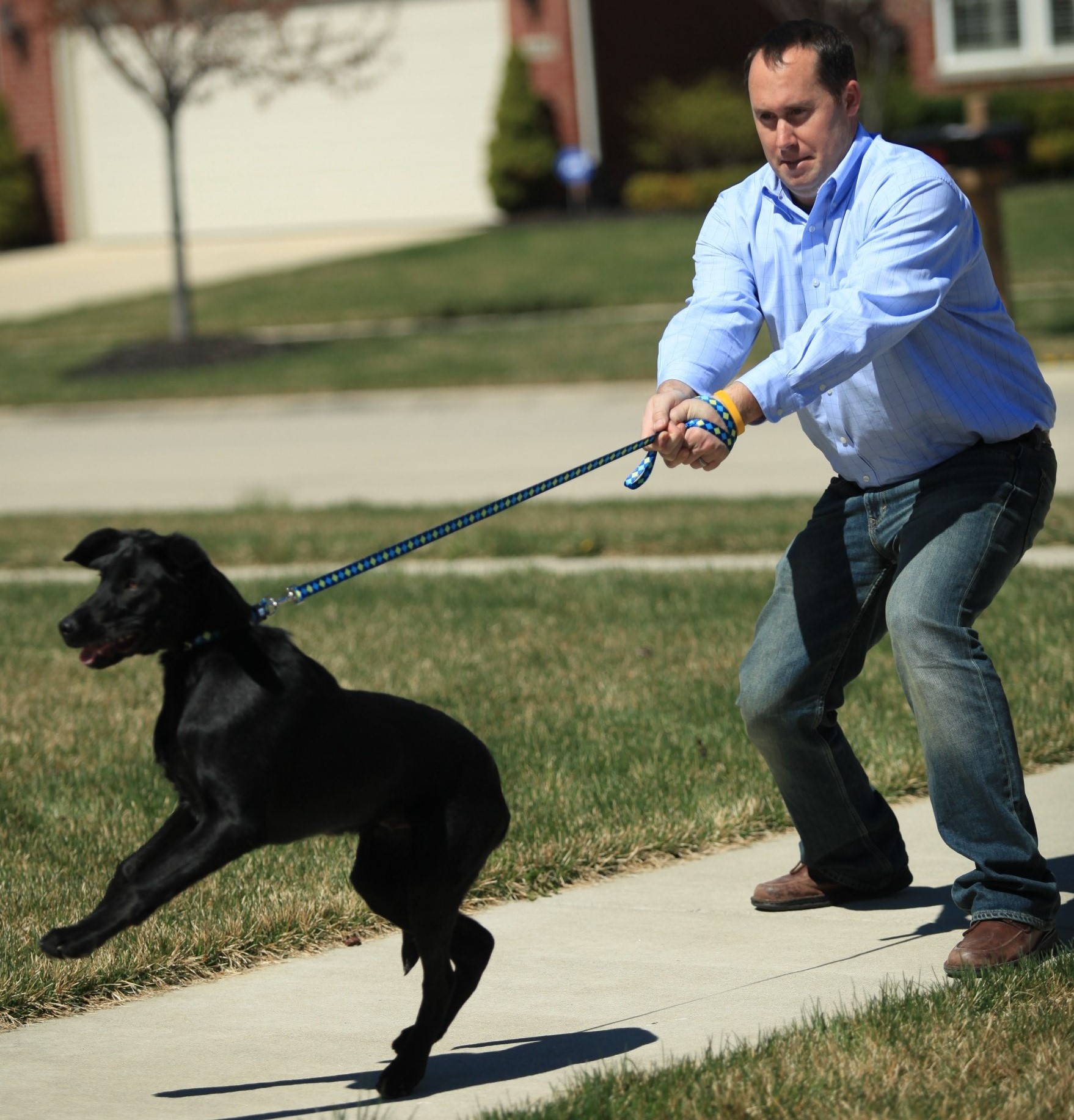
Leash reactivity is one of the most common challenges dog owners face. If your dog barks, lunges, or overreacts on walks, the good news is that this behaviour can be improved with the right training approach.
What Is Leash Reactivity?
Leash reactivity happens when a dog reacts to triggers—such as other dogs, people, or noises—while on a leash. Reactions can range from mild signs like stiff posture to intense behaviours like barking and lunging.
Importantly, leash reactivity does not always mean aggression. Many reactive dogs are simply excited, frustrated, or fearful.
Why Dogs Become Leash Reactive
1. Overexcitement
Some dogs become reactive because they are overly friendly and want to greet every dog they see. This is common in dogs that frequently visit dog parks or daycare.
2. Barrier Frustration
The leash acts as a barrier. When dogs cannot reach what they want, frustration builds and leads to reactive behaviour.
3. Fear-Based Reactivity
Fearful dogs may react aggressively to make a perceived threat go away. This often comes from past negative experiences or lack of socialization.
4. True Aggression
True aggression is rare but more serious. These cases often require long-term management and professional guidance.
How to Fix Leash Reactivity
Regardless of the cause, most successful training plans follow the same core principles:
1. Manage Distance (Threshold Training)
Work at a distance where your dog can stay calm. If your dog reacts at 35 feet, start training at 40 feet where they can still focus and learn.
If your dog is already barking or lunging, they are over threshold and cannot learn effectively.
2. Use Movement to Reduce Pressure
Keeping your dog moving helps prevent tension buildup. Standing still often increases frustration, while controlled movement keeps your dog more relaxed and focused.
3. Focus on Neutral Behaviour
The goal is not to force your dog to ignore everything, but to remain neutral. A healthy response is noticing a trigger briefly, then disengaging and moving on.
4. Use Timely Corrections (When Needed)
Corrections should be fair, well-timed, and used carefully. They are most effective before the dog escalates, not after.
However, relying only on corrections is rarely effective. Training should always include guidance and positive reinforcement.
5. Reward Good Choices
Reward your dog for calm behaviour, even small improvements. If your dog chooses to look away from a trigger or stay relaxed, reinforce that behaviour immediately.
You can also use simple cues like calmly naming what your dog sees (e.g., “that’s a car”) and rewarding calm responses.
6. Practice with Repetition
Consistency is key. Leash reactivity does not improve overnight, and regular practice is essential.
Set up controlled training sessions and gradually expose your dog to triggers while maintaining calm behaviour.
Fixing leash reactivity takes time, patience, and consistency. By managing distance, rewarding calm behaviour, and practicing regularly, you can help your dog become more relaxed and confident on walks.
The goal is not perfection—but steady progress toward a calm, neutral response in everyday situations.
What was your dog bred to do?
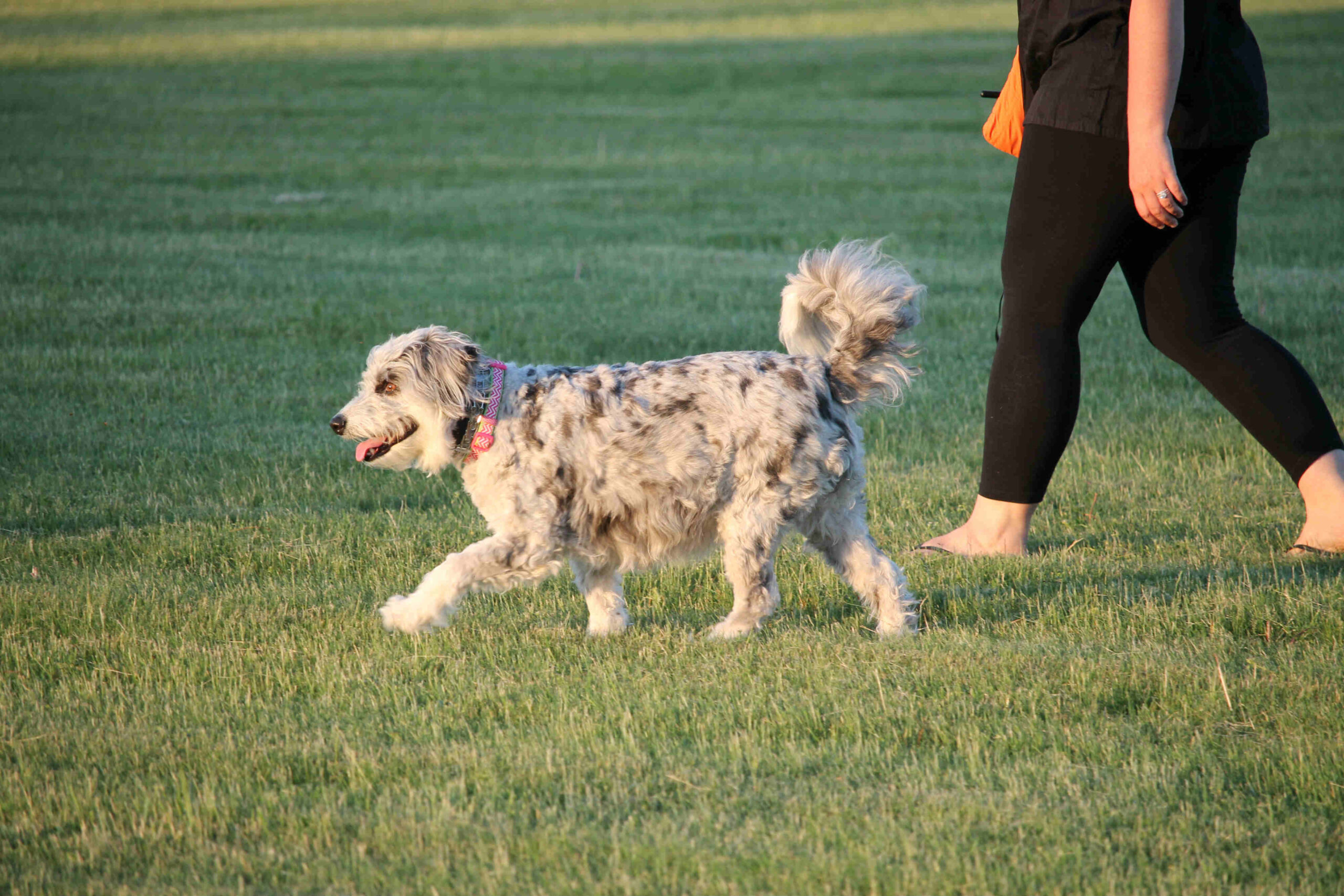
Oct 11, 2020 | Puppy Training
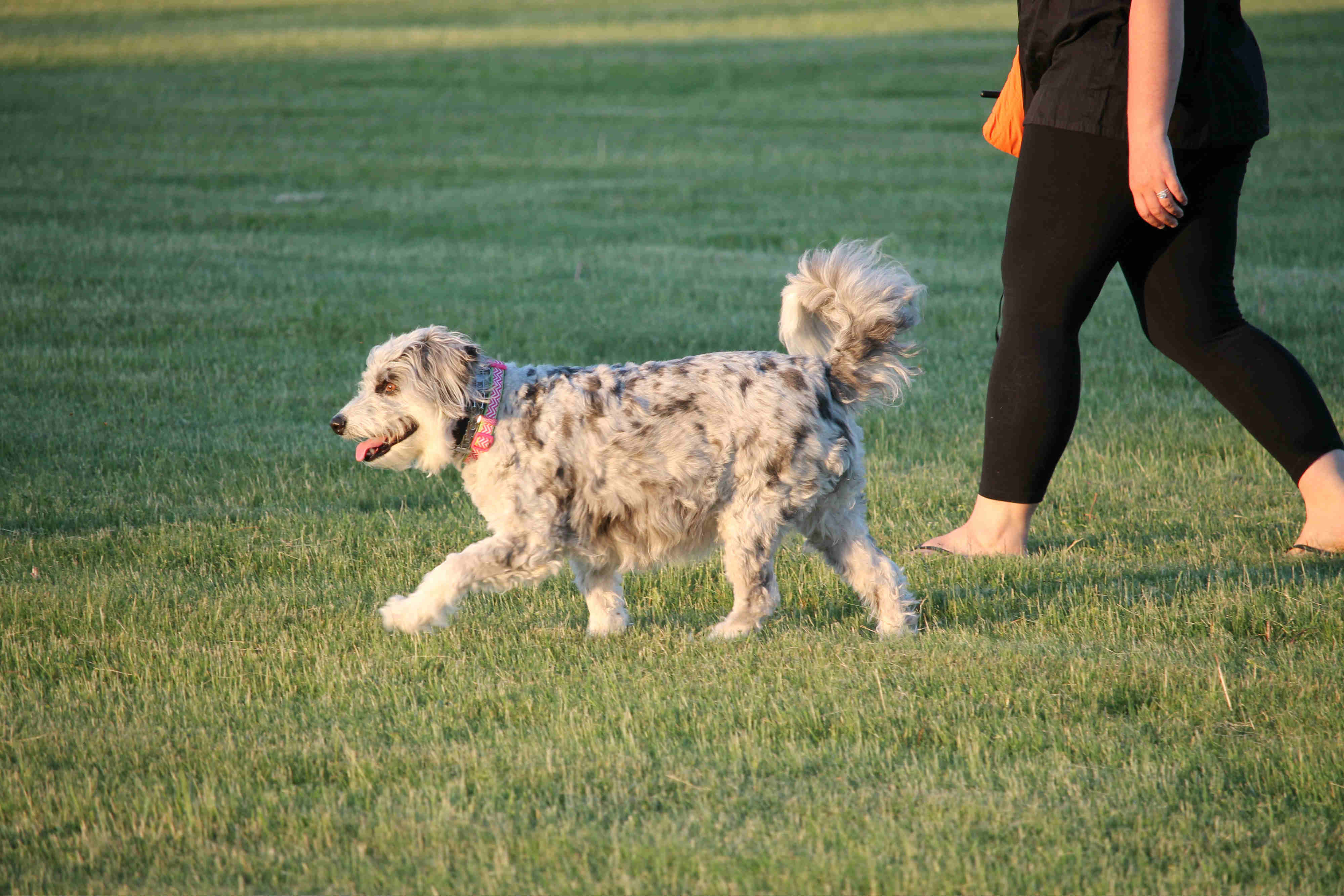
Is Obedience Training Enough for Your Dog?
Obedience is one of the most common focuses in dog training. Sit, stay, down—many owners believe that if their dog listens well enough, most problems will disappear.
But here’s the reality: obedience alone is not the solution to most behaviour issues.
Dogs are not robots. They are sentient beings with emotions, experiences, and reactions. If we focus only on control, we often ignore how the dog actually feels in a situation.
Why Obedience Alone Isn’t Enough
1. Obedience Does Not Change Emotions
Take a leash-reactive dog driven by fear. You may ask for eye contact or a “sit” when another dog passes. The dog may comply—but internally, nothing has changed.
The dog is still anxious or afraid. You’ve simply redirected the behaviour, not addressed the emotion behind it.
This is often called teaching an “incompatible behaviour”—asking the dog to do something else so it cannot perform the unwanted behaviour. While useful for management, it does not solve the root issue.
2. Control Should Not Be the Only Goal
There’s nothing wrong with teaching commands like sit or down. The real question is: why does the dog need to perform them?
Commands should serve a purpose—safety, clarity, or communication—not just control for the sake of control.
For example, cues like “come” or “wait” can be life-saving. But requiring obedience in every situation without purpose can create unnecessary pressure and confusion.
3. Obedience Can Replace Choice With Compliance
When dogs rely entirely on commands, they may struggle to make good decisions on their own. If a dog only behaves when told what to do, what happens when guidance isn’t there?
Book Your Consultation
True training should help dogs develop the ability to remain calm, make better choices, and adapt to situations without constant direction.
Otherwise, we risk micromanaging behaviour instead of actually teaching it.
What Matters More Than Obedience
Instead of focusing only on obedience, effective training should include:
- Building a strong relationship with your dog
- Improving emotional responses to triggers
- Encouraging calm and neutral behaviour
- Reinforcing good choices, not just commands
Obedience still has its place—but it should support training, not define it.
The goal isn’t to control your dog—it’s to guide them. When we shift our focus from obedience alone to understanding behaviour and emotion, we create dogs that are not just compliant, but confident and balanced.
In the end, better behaviour comes from better understanding—not just better commands.
Book Your Consultation
How to Fix Leash Reactivity