Aug 12, 2018 | Puppy Training
6 Tips for Teaching a Reliable Recall to Your Dog
A reliable recall, also known as “coming when called,” is one of the most important skills your dog can learn. Whether you are hiking, visiting a park, or simply spending time outdoors, having your dog respond immediately to the recall command can keep them safe and give you peace of mind.
Many dog owners accidentally weaken their recall command without realizing it. The good news is that with consistency, proper timing, and structured practice, you can teach your dog to come when called reliably in many different environments.
1. Teach Your Dog What “Come” Actually Means
Your dog will not automatically understand the word “come.” Start by attaching a leash, saying the command once, and gently guiding your dog toward you. The moment your dog reaches you, reward them with praise, treats, or play.
Practice this exercise repeatedly in different environments while your dog is still on leash. Consistent repetition helps build a strong association between the command and the desired behaviour.
2. Avoid Overusing the Recall Command
One of the biggest mistakes dog owners make is using the word “come” too often in casual situations. If your dog hears the command constantly, they may begin to ignore it.
For example, if your dog is sniffing during a walk and you simply want to continue moving, use a casual phrase like “let’s go” instead of your formal recall command. Save “come” for situations where you expect immediate compliance.
3. Never Chase Your Dog
Chasing your dog can quickly turn recall training into a game. Instead, only use the recall command when you can enforce it safely and successfully.
Until your dog has a dependable recall, continue practicing on a leash or long line. This prevents your dog from learning that ignoring you is an option.
4. Say the Command Once
Repeating “come, come, come” teaches your dog that the first command is optional. Instead, say the command clearly one time and follow through by guiding your dog toward you if necessary.
Consistency is key when building a reliable recall response.
5. Only Use Recall When You Can Reinforce It
If your dog is not fully reliable yet, avoid using the recall command in highly distracting environments where you cannot enforce it. For example, calling your dog repeatedly at a busy dog park without success can weaken the meaning of the command.
Set your dog up for success by practicing gradually in controlled environments before progressing to more challenging situations.
6. Never Punish Your Dog for Coming to You
Your dog should always associate coming to you with positive outcomes. Even if your dog responds slowly, avoid scolding or punishing them once they arrive.
Corrections may be used fairly during the training process for non-compliance, but once your dog reaches you, the experience should end positively with praise or rewards.
Book a Consultation
Why Recall Training Matters
A strong recall can help protect your dog from dangerous situations, improve off-leash reliability, and strengthen your relationship with your pet. Like all dog training skills, recall requires patience, consistency, and ongoing practice.
If you want a dog that can be trusted off leash in different environments, professional training can make the process faster and more effective.
Work With Professional Dog Trainers
At The Crunchy Canine, we help dog owners build reliable obedience skills through structured, balanced training programs. Whether you are working with a new puppy or an older dog, we can help improve recall, leash manners, and overall obedience.
Contact us today to learn more about our dog training programs.
Why obedience is not the answer to your problems
Mar 29, 2016 | TESTIMONIALS
 “We started group training classes at DogDen with The Crunchy Canine after adopting a dog with separation anxiety.
After only 2 classes, we already noticed a huge change in Lucy’s confidence.
Thanks to The Crunchy Canine for helping us learn how to communicate better with our dog!”
Bethany with Lucy, Stoney Creek, Ontario
Feb 21, 2016 | TESTIMONIALS
 “The Crunchy Canine is great! They understand that each dog is different and use a variety of techniques and tools to help both you and your dog achieve the desired results.
They explain why they are using a certain technique and are very knowledgeable about dog behaviour.
We are extremely happy with them and the results we have seen in our dogs.”
Sherri with Blue and Kenya, Grimsby, Ontario

Jan 19, 2016 | Puppy Training

When training your puppy or dog, the tool you use should be efficient and effective. Just as importantly, the way you use that tool should be clear, consistent, and humane.
There are many different dog training collars and leash tools available, and each one provides information to the dog in a different way. The right tool can make training clearer, while the wrong tool can make communication confusing or ineffective.
Dog Training Collars: Choosing the Right One
This post is not about discussing one specific collar or tool. In training, different dogs may need different tools depending on their behaviour, size, sensitivity, goals, and the handler’s skill level.
At The Crunchy Canine, we may use a variety of training collars depending on the dog and the training plan. The point is not that one tool is perfect for every dog. The point is that the tool should help you communicate clearly and fairly.
Training Tools Should Provide Information
When training your dog, your leash and training collar should help provide information. They should help your dog understand what is being asked and how to respond.
How clear that information is depends on several things:
- The training tool being used
- The handler’s timing
- The handler’s skill level
- The dog’s understanding of the training
- The consistency of the communication
A training collar is not a magic solution. It only works well when it is introduced properly and used with good timing, clear expectations, and fair handling.
The Right Tool Can Make Training More Effective
Think about building a wooden box.
You could try to build it with a dull hand saw, some nails, and a rock. You may eventually get the job done, but it would likely be slow, messy, and frustrating.
Now imagine using a table saw and a drill. You can cut straighter lines, work more efficiently, and build something cleaner and stronger.
Dog training tools can be viewed the same way. The wrong tool may still get some results, but it may not be efficient, clear, or effective. The right tool, used properly, can make the training process smoother for both the dog and the owner.
Book a Consultation
The Tool Is Only Part of the Equation
Some people can train a dog with very little equipment because they have years of experience, excellent timing, and strong handling skills. However, most dog owners benefit from using tools that help make communication clearer.
That does not mean a tool should be used harshly or carelessly. It means the tool should support the training, not replace good training.
Tools Can Be Used Correctly or Incorrectly
Some training collars may look intimidating to people who are unfamiliar with them. A common example is the prong collar.
Like many tools, a training collar can be used incorrectly or even with the intent to cause pain. But that comes down to the person holding the leash, not the tool itself.
A table saw and drill can also be dangerous if used incorrectly. But when used properly, they help build something strong, useful, and beautiful.
The same idea applies to dog training collars. When used properly, fairly, and humanely, the right tool can help create clearer communication and better training results.
Choosing the Right Dog Training Collar
The right training collar depends on the dog in front of you and the training goals you are working toward.
Before choosing a tool, consider:
- Your dog’s size and strength
- Your dog’s temperament and sensitivity
- Your dog’s current training level
- The behaviour you are trying to improve
- Your own handling skills
- Whether you have proper guidance on how to use the tool
If you are unsure what tool is appropriate for your dog, it is best to work with a knowledgeable trainer who can show you how to use it clearly and safely.
When Your Current Tool Is Not Working
If the tool you are using is giving you frustrating, unclear, or messy results, it may be time to reconsider your approach.
Sometimes the issue is the tool. Sometimes the issue is timing, consistency, or the training plan. Often, it is a combination of all three.
The goal should always be clear communication, better understanding, and humane training.
Need Help Choosing the Right Training Tool?
If you are struggling with leash manners, pulling, reactivity, obedience, or general behaviour, structured training can help you choose the right tool and learn how to use it properly.
Our dog training programs can help you find the right training option for your dog’s needs.
For dogs who need one-on-one support with leash skills, behaviour concerns, impulse control, or training tools, our Private Training programs may be the best fit.
If your dog is ready to learn around other dogs and people in a structured environment, our Group Classes can help improve focus and obedience around distractions.
For dogs who need healthy outlets for energy and confidence, Agility, Scent Detection, or structured Day Camp may also be helpful options.
Book a Consultation
Dog training collars are tools. They are not good or bad on their own. What matters is how they are chosen, introduced, and used.
The right tool, used clearly and humanely, can help you communicate more effectively with your dog. The wrong tool, or the right tool used poorly, can create confusion and frustration.
If your current training tool is giving you dull-saw-and-rock results, it may be time to get professional help and find a clearer, more effective approach.
Contact us today if you would like help choosing the right training plan and tools for your dog.
Happy Training!
Katherine
FAQ:
What is the best dog training collar?
The best dog training collar depends on the dog, the behaviour being trained, the handler’s skill level, and the training goals. There is no single tool that is right for every dog.
Are dog training collars humane?
Dog training collars can be humane when they are chosen appropriately, introduced properly, and used clearly and fairly. Any tool can be misused, so proper guidance matters.
Can a training collar fix pulling?
A training collar may help provide clearer communication, but it does not replace training. Dogs still need to be taught leash manners, focus, and how to respond to pressure or guidance.
Should I use a training collar without professional help?
If you are unsure how to use a tool correctly, it is best to work with a qualified trainer. Proper timing, fit, and technique are important for safe and effective training.
Why does the right training tool matter?
The right tool can make communication clearer and training more efficient. The wrong tool may make training harder, slower, or more confusing for both the dog and owner.
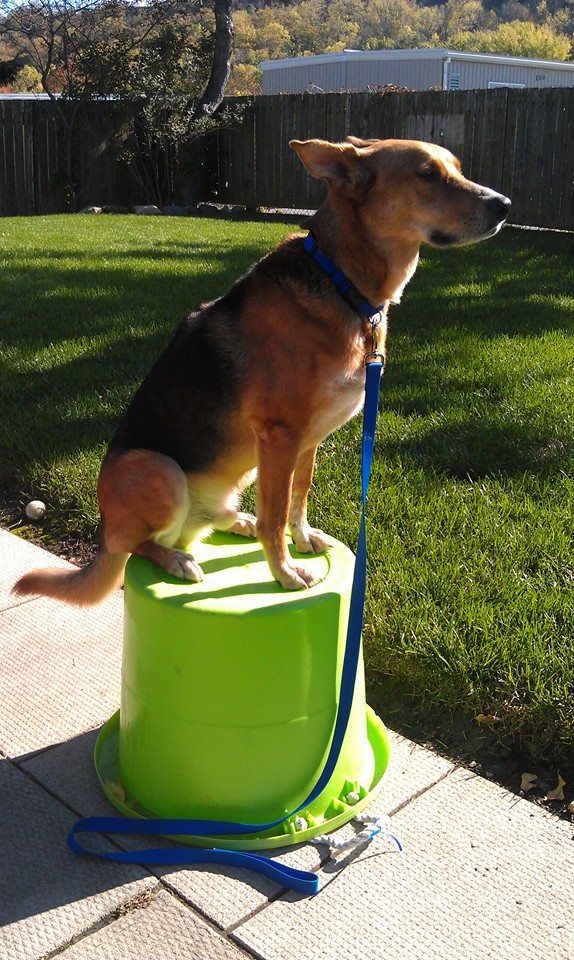
Jan 15, 2016 | Puppy Training
What does puppy socialization really mean?
When people get a new puppy or dog, they are often told, “You need to socialize them right away.” While that advice is well-intentioned, many people misunderstand what socialization actually means.
Somewhere along the way, puppy socialization became associated with taking a puppy to the dog park and putting them around as many dogs as possible. But that is not the best way to build a confident, well-rounded dog.
Puppy Socialization Is More Than Dog Parks
I love the idea of a dog park in theory. Dogs running off leash, enjoying the company of other dogs and people sounds wonderful.
Unfortunately, many dogs who should not be at the dog park are there regularly. Many owners do not know what to look for in healthy dog-to-dog interaction. Many dogs are not being advocated for, and many owners may not know when they should step in.
This can lead to dogs being bullied, dog fights, over-aroused behaviour, humping, chaos, and puppies leaving the park more fearful or insecure than when they arrived.
Why Dog Parks Can Be Risky for Puppies
A puppy’s early experiences matter. One bad experience can affect a puppy for a long time.
Many dogs who become reactive, fearful, or dog-aggressive were not necessarily born that way. Often, there was at least one negative experience that contributed to the behaviour. In many cases, owners can point to the exact event that changed how their dog felt about other dogs.
That is why dog parks are not always worth the risk, especially for puppies or dogs who are still building confidence.
Book a Consultation
What Puppy Socialization Should Actually Mean
Socialization should be productive, positive, and controlled.
Yes, getting your puppy around other dogs is important. However, it should be around the right dogs. Your puppy should meet calm, stable, appropriate dogs who can help create good experiences, not overwhelm or bully them.
Good socialization is not about flooding your puppy with as many dogs, people, sounds, and places as possible. It is about helping your puppy experience the world in a calm, confident, and safe way.
Safe Ways to Socialize Your Puppy With Other Dogs
If you want your puppy to have healthy experiences with other dogs, choose safer and more structured options.
Good options may include:
- Group training classes with controlled supervision
- Puppy socialization classes run by a knowledgeable trainer
- Carefully selected play sessions with calm, balanced dogs
- Friends or family members who have stable, appropriate dogs
- Structured walks around other dogs without forced greetings
Our Group Classes can help puppies and dogs learn around other dogs and people in a more structured environment than a dog park.
Socialization Also Means Exposure to the World
Getting your puppy around other dogs is only one part of socialization.
Many behaviour issues come from fear, lack of confidence, lack of trust in the handler, and not learning how to follow guidance in new situations.
More important than simply letting your puppy play with dogs is exposing them to different experiences in positive, controlled ways.
Your puppy should learn about different:
- Places
- Sounds
- Smells
- Surfaces
- People
- Environments
- Objects
- Movements and distractions
Examples of Good Puppy Socialization
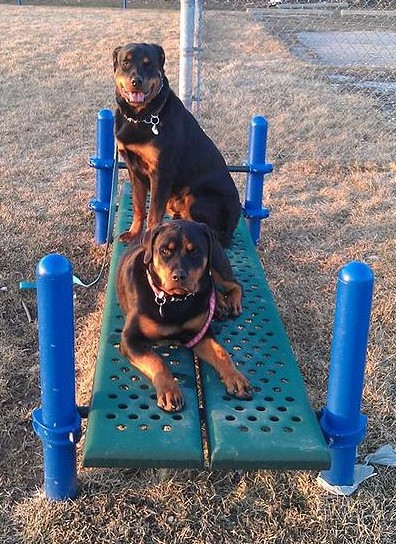 If you want a confident dog who can go places with you, start introducing your puppy to the world in thoughtful ways.
Here are some examples:
- Take your puppy to dog-friendly stores and practice calm behaviour.
- Use a long line to let your puppy safely explore parks, trails, and fields.
- Encourage your puppy to explore unique surfaces such as bridges, tarps, steps, platforms, or playground-style surfaces where appropriate.
- Let your puppy observe people, dogs, bikes, strollers, and vehicles from a safe distance.
- Practice calm focus and obedience in new environments.
The goal is not to overwhelm your puppy. The goal is to build confidence through successful experiences.
Confidence Is the Goal
A well-socialized puppy is not a puppy who runs up to every dog and person.
A well-socialized puppy is calm, confident, curious, and able to handle new situations without panic or chaos.
When puppies are exposed to different environments in a safe and positive way, they are more likely to grow into dogs who can handle what life throws their way.
Training Support for Puppy Socialization
If you are unsure how to socialize your puppy safely, structured training can help.
Our dog training programs can help you choose the right training option for your puppy or dog.
For puppies who need one-on-one help with confidence, manners, leash skills, or exposure work, our Private Training programs may be the best fit.
For puppies and dogs ready to learn in a structured environment around other people and dogs, our Group Classes are a great option.
If your dog needs more healthy outlets for confidence and enrichment, activities like Agility, Scent Detection, or structured Day Camp may also be helpful.
Book a Consultation
Puppy socialization is not about throwing your puppy into a dog park and hoping for the best.
It is about creating positive, productive, and controlled experiences that build confidence. Your puppy should learn how to handle dogs, people, places, sounds, surfaces, and new environments in a calm and safe way.
If you only rely on dog parks for socialization, your puppy may struggle when introduced to new real-world situations. But if you build confidence through thoughtful exposure and training, you can help your puppy grow into a more balanced and happy dog.
Contact us today if you need help socializing your puppy or building your dog’s confidence.
Happy Training!
Katherine
FAQ:
What does puppy socialization mean?
Puppy socialization means helping your puppy experience people, dogs, places, sounds, surfaces, and environments in a positive and controlled way so they can become confident and well-rounded.
Are dog parks good for puppy socialization?
Dog parks can be risky for puppies because not all dogs there are appropriate, balanced, or well supervised. One bad experience can affect a puppy’s confidence and behaviour.
How should I socialize my puppy with other dogs?
Choose calm, stable dogs, structured group classes, supervised puppy classes, or controlled play with dogs you know and trust.
What should I expose my puppy to?
Expose your puppy to different places, sounds, smells, surfaces, people, objects, and calm experiences around other dogs. Keep the exposure positive and manageable.
Can puppy training classes help with socialization?
Yes. Group classes can help puppies learn around other dogs and people in a structured environment while building confidence, focus, and manners.