Nov 30, 2023 | Puppy Training
Did you know that every dog breed was originally developed for a specific purpose?
From herding livestock to guarding property or retrieving game, dogs weren’t bred randomly—they were designed to perform specific jobs. And those instincts don’t just disappear because a dog becomes a pet.
One of the biggest mistakes dog owners make is choosing a dog based on looks or a limited experience with the breed, without understanding what that dog was bred to do.
The result? Frustration—when the dog starts displaying completely natural behaviors that the owner wasn’t prepared for.
Why Breed Purpose Matters
Many of the behavior issues people struggle with are not “bad behavior”—they are simply natural instincts.
For example:
- A dog that pulls on leash may be bred to cover long distances
- A dog that chases everything may have strong prey drive
- A dog that is wary of strangers may be a natural guardian
These behaviors are not random—they are deeply rooted in genetics.
It is not the dog’s responsibility to suppress those instincts. It is the owner’s responsibility to understand them and provide proper guidance, structure, and outlets.
It’s Not Too Late to Learn
If you already have a dog and didn’t research the breed beforehand, don’t worry—you’re not alone.
We see owners learn, adapt, and completely transform their relationship with their dog all the time.
The key question is: Are you willing to understand your dog and meet their needs?
Book a Consultation
Common Dog Breeds and What They Were Bred For
Here are some of the most common breeds (and breed groups) we see in pet homes, along with the behaviors they were bred for:
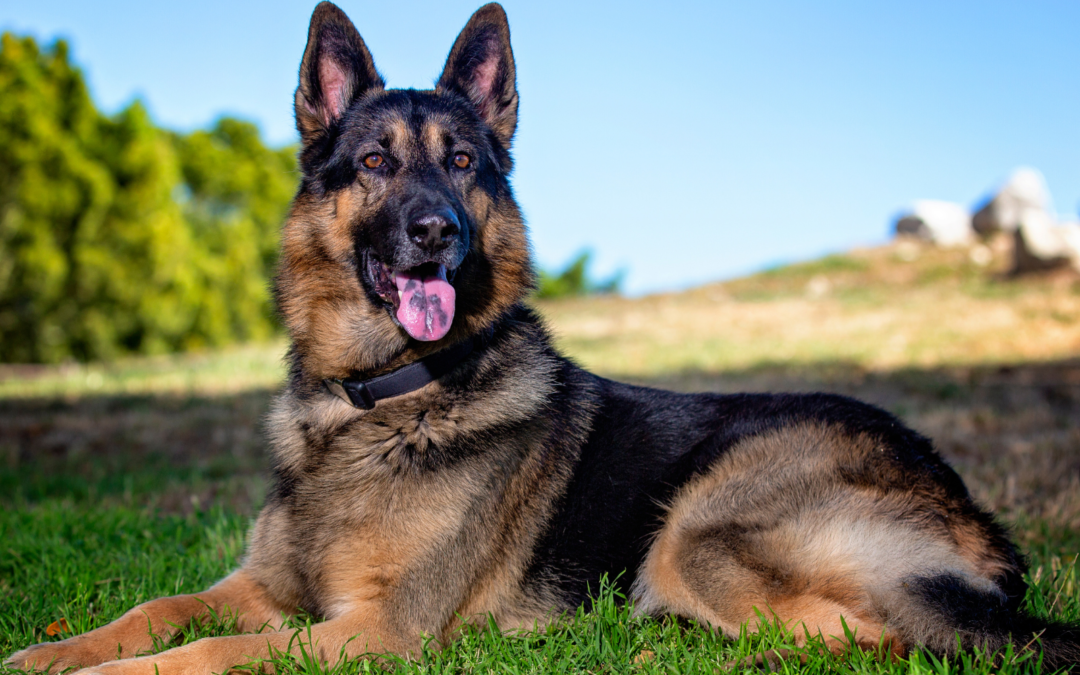
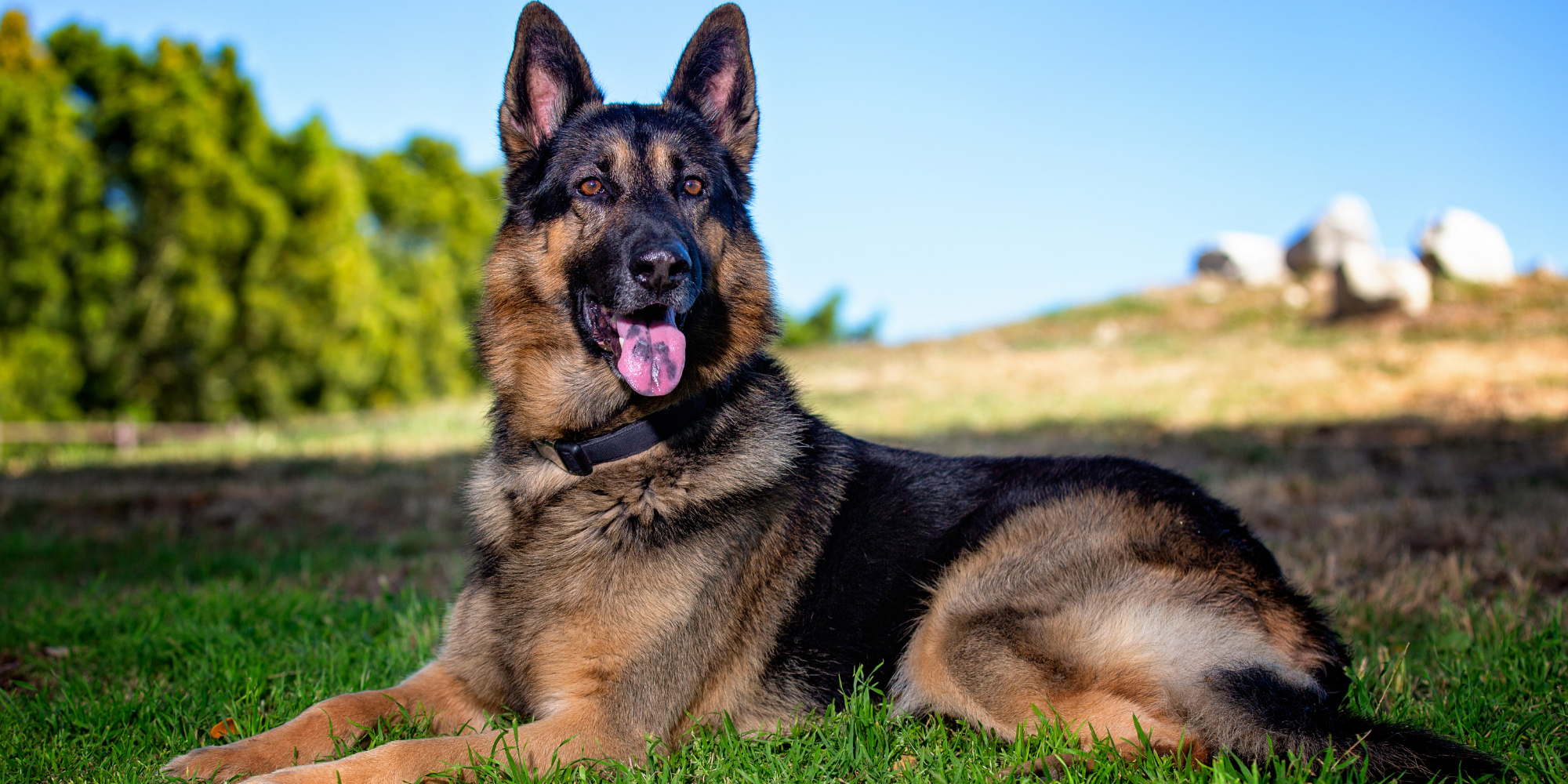
1. German Shepherds
Bred for herding and guarding sheep. Highly athletic and intelligent, with natural protective instincts. Often wary of strangers.
2. Retrievers (Golden Retrievers, Labrador Retrievers, Poodles)
Bred to retrieve game for hunters. Love water, enjoy carrying objects, and have a strong desire to work.
3. Hounds (Beagles, Dachshunds, Coonhounds)
Bred to follow scent trails. Their nose often overrides commands. Independent and driven to track.
4. Mastiffs (Cane Corso, Bullmastiff, Dogo Argentino)
Bred to guard property and protect against large threats. Strong protective instincts and territorial behavior.
5. Rottweilers
Bred to guard livestock and property. Naturally confident and often reserved with strangers.
6. Dobermans
Bred specifically for protection work. Loyal, alert, and naturally suspicious of unfamiliar people.
7. Terriers (Jack Russell, Yorkshire, Wheaten)
Bred to hunt and kill small animals. High prey drive, intense energy, and persistent behavior.
8. Boxers
Bred for guarding and hunting. Energetic, playful, and protective.
9. Pointers (Weimaraner, Vizsla, German Shorthaired Pointer)
Bred to locate and point game. High energy, strong hunting drive, and need for activity.
10. Border Collies & Australian Shepherds
Bred for herding livestock. Strong instinct to control movement—often seen as chasing, nipping, or herding people.
11. Bernese Mountain Dogs
Bred for pulling carts and working livestock. Strong, steady, and capable working dogs.
12. Doodles
A mix of retriever and another breed. Behavior can vary widely—sometimes combining traits from both parents.
13. Spaniels (Cocker, Springer, Brittany)
Bred to flush out game. Energetic, social, and often love water and retrieving.
14. Schnauzers
Bred to hunt vermin and guard property. Alert, energetic, and protective.
15. Huskies & Malamutes
Bred to pull sleds over long distances. Extremely energetic, independent, and driven to run.
16. Understanding Your Dog Changes Everything
When you understand what your dog was bred to do, their behavior starts to make sense.
Instead of trying to “stop” natural instincts, you can redirect them in a healthy and productive way.
This leads to:
- Less frustration
- Better communication
- A calmer, more balanced dog
Need Help With Your Dog’s Behavior?
If you’re struggling with your dog’s behavior, professional guidance can make all the difference.
We offer dog training in Hamilton and puppy training in Hamilton to help you better understand and manage your dog.
Book a Consultation
Jan 17, 2022 | Puppy Training
If you’re thinking about adding a dog to your family, choosing the right breed is one of the most important decisions you’ll make.
Many people select a dog based on appearance or because they once met a friendly dog of that breed. However, every breed has unique traits, energy levels, and instincts that can significantly impact family life.
The best family dogs for kids are typically friendly, adaptable, trainable, and comfortable around new people and everyday activity.
Before bringing home a puppy, take time to consider your family’s lifestyle, activity level, and experience with dogs.
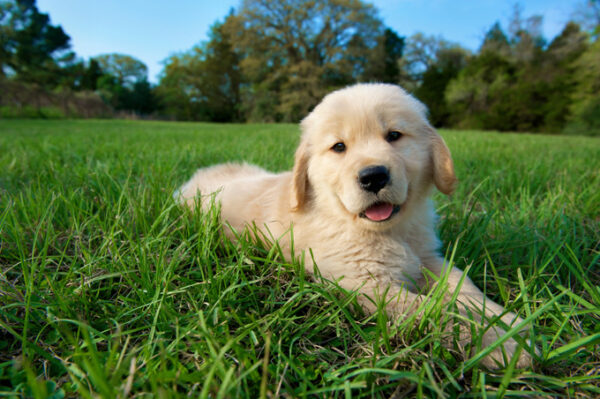
Golden retriever puppy lying down on grass
What Makes a Great Family Dog?
While every dog is an individual, certain breed characteristics can make family life easier.
Look for dogs that are:
- Friendly and social with people
- Patient with children
- Adaptable to busy households
- Eager to learn and easy to train
- Comfortable with visitors and new experiences
It’s also important to choose a breed whose exercise and grooming needs match your family’s routine.
Best Dogs for Active Families With Young Children
If your family enjoys outdoor activities, regular walks, and weekend adventures, these breeds can be excellent companions.
- Labrador Retriever: Friendly, outgoing, and eager to please. Labs typically thrive in active households and enjoy spending time with children.
- Beagle: Curious, social, and full of personality. Beagles love being part of family activities and generally enjoy meeting new people.
- Golden Retriever: Gentle, intelligent, and highly trainable. Goldens are a popular choice for families who can meet their exercise needs.
Remember that even family-friendly breeds need early socialization, training, and daily physical activity.
Best Dogs for Less Active Families
If your family prefers a quieter lifestyle, consider breeds with lower exercise requirements.
- Havanese: Affectionate, adaptable, and typically happy to spend time close to their family.
- Cavalier King Charles Spaniel: Friendly and easygoing, these small dogs often fit well into relaxed households.
- Show-line Labrador Retriever: Some show-bred lines may have lower energy levels than working lines.
- English Mastiff: Gentle giants that generally enjoy calm family environments.
- Leonberger: Large, affectionate dogs that thrive with families who can provide space and training.
Even lower-energy dogs still require daily walks, mental enrichment, and regular training.
Thinking About a Doodle?
Doodle mixes have become increasingly popular, but it’s important to understand that mixed breeds can inherit traits from either parent breed.
Energy level, grooming needs, temperament, and trainability can vary significantly.
If you like the low-shedding coat and appearance often associated with doodles, you may also want to consider:
- Portuguese Water Dog
- Barbet
- Standard Poodle
- Soft-coated Wheaten Terrier
If you’re considering a doodle mix, research breeders carefully and ask questions about health testing, temperament, and socialization practices.
Book a Consultation
Should You Choose a Dog for Protection?
Many families assume they need a protective breed when they have young children. However, most families are better served by choosing a well-socialized, family-friendly dog rather than selecting a breed specifically for protection.
Breeds such as the German Shepherd, Rottweiler, and Cane Corso can be wonderful companions in experienced homes, but they often require extensive training, socialization, and a clear understanding of breed-specific traits.
Before choosing any breed, consider your experience level, available time, and willingness to invest in ongoing training.
Our Top Family Dog Recommendations
If you’re looking for a great family companion, these breeds consistently stand out:
- Labrador Retriever
- Beagle
- Golden Retriever
- Havanese
- Cavalier King Charles Spaniel
- English Mastiff
- Leonberger
The best family dog is the one whose temperament, exercise needs, and personality fit your family’s lifestyle.
Take your time, do your research, and choose a responsible breeder or rescue organization that prioritizes health and temperament.
The right match can bring years of companionship, adventure, and unforgettable memories.
Happy training!