Sep 19, 2026 | Dog Training
Why Does My Dog Listen at Home but Not Outside?
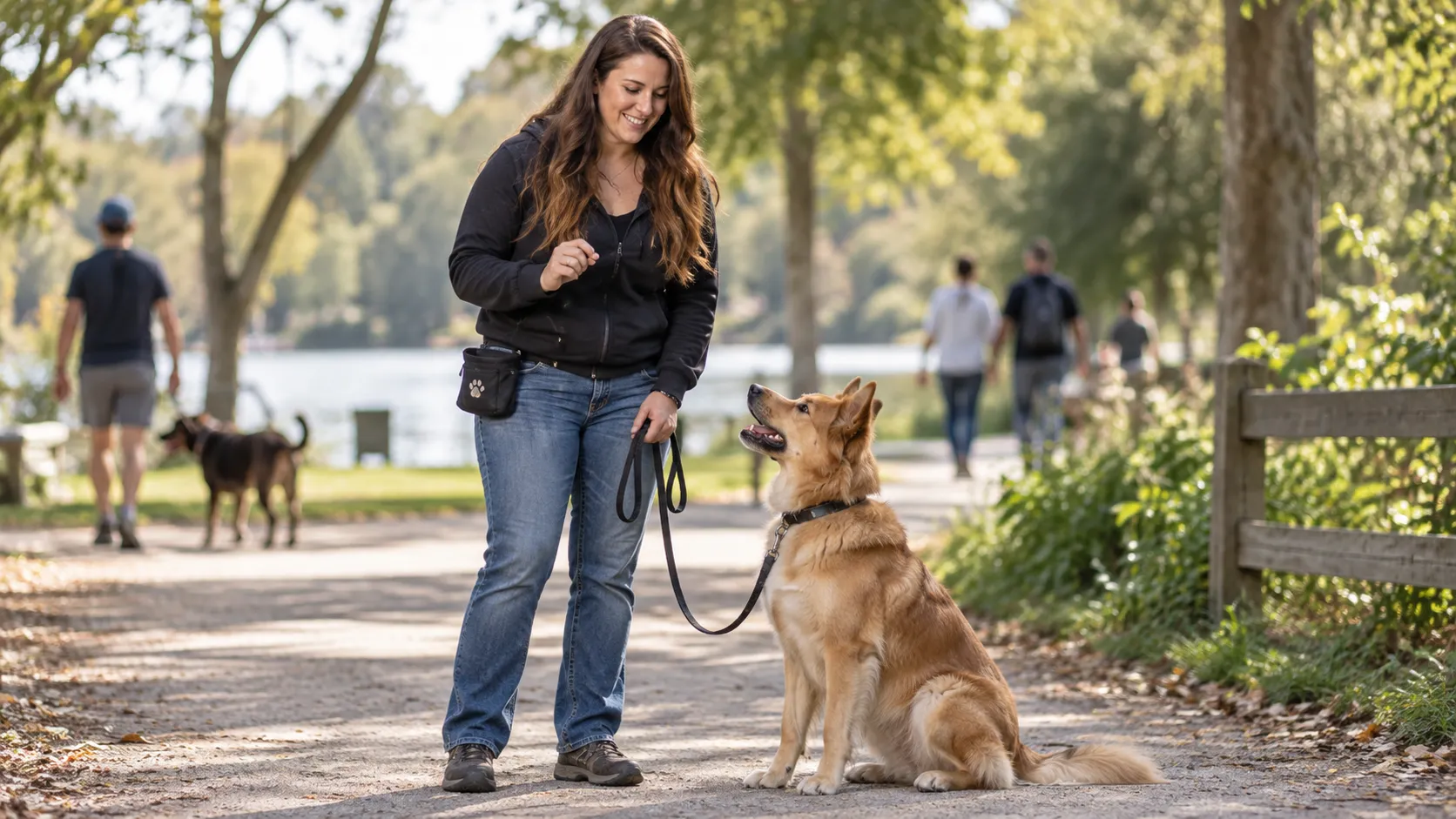
Your dog sits when asked in the kitchen, comes when called across the living room and can hold a stay while you prepare dinner.
Then you walk outside and it feels like all that training disappears.
If your dog listens at home but not outside, you are not alone. This is one of the most common frustrations dog owners experience.
The good news is that your dog probably has not forgotten what they learned. The environment has simply become much more difficult.
Dogs do not automatically understand that a behaviour learned in one place should work everywhere. Skills need to be practised around gradually increasing levels of distraction before they become reliable in everyday life.
At The Crunchy Canine, this is why we focus on more than teaching commands. The goal is to develop behaviour that remains useful when real-world distractions appear.
Need help getting your dog to listen outside? Contact The Crunchy Canine.
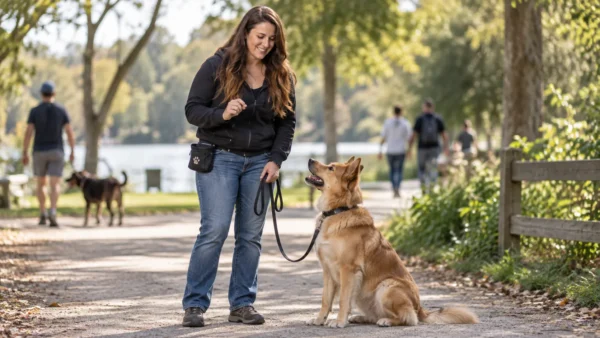
Why Does My Dog Listen at Home but Not Outside?
Inside your home, the environment is familiar and predictable.
Your dog already knows the smells, sounds, furniture, people and routines. There may be very little competing for their attention.
Outside, everything changes.
Your dog may suddenly be surrounded by:
- Other dogs
- People
- Cars and bicycles
- Wildlife
- Interesting smells
- Children playing
- New environments
- Unexpected sounds
- Movement
- Other exciting distractions
From your dog’s perspective, listening to you has suddenly become much harder.
It is similar to learning a new skill in a quiet room and then being expected to perform it perfectly in the middle of a busy event.
The skill may exist, but the difficulty level has changed dramatically.
Dogs Do Not Automatically Generalize Training
One of the most important things for dog owners to understand is that dogs do not always generalize learning the way people expect them to.
If your dog learns “sit” in the kitchen, they may initially understand the behaviour as something that happens in that particular situation.
When you ask for the same behaviour in the backyard, on the sidewalk or near another dog, the context is different.
This is why good dog training gradually introduces new environments and distractions.
A behaviour becomes more reliable when your dog has successfully practised it in many different situations.
Training might progress from:
- Living room
- Different rooms in the house
- Backyard
- Driveway
- Quiet sidewalk
- Neighbourhood walk
- Park at a distance from distractions
- Busier environments
Each step teaches your dog that the cue still matters even when the environment changes.
Distractions Compete for Your Dog’s Attention
When your dog is outside, you are competing with everything happening around them.
A squirrel running across the grass may be more exciting than sitting.
The smell of another dog may be more interesting than looking at you.
An approaching dog may create enough excitement, frustration or concern that your dog struggles to respond to a familiar cue.
This does not necessarily mean your dog is stubborn.
It usually means the environment is currently more difficult than the dog’s level of training can handle.
Your Dog May Understand the Cue, but Not Around Distractions
There is an important difference between a dog knowing a behaviour and performing that behaviour reliably.
A dog may understand “come” perfectly well when standing ten feet away inside the house.
That does not mean the dog is ready to recall away from another dog, wildlife or an exciting smell outside.
Real-world reliability has to be developed gradually.
This is particularly important for skills such as:
- Recall
- Loose-leash walking
- Stay
- Place
- Heel
- Leave it
- Focus around distractions
You May Be Increasing Difficulty Too Quickly
One common training mistake is asking too much too soon.
Imagine your dog can successfully recall from ten feet away in your backyard.
The next step should probably not be asking for the same recall while they are chasing something across a busy park.
Instead, gradually increase one challenge at a time.
You can increase:
- Distance
- Duration
- Distraction
- Environmental difficulty
Trying to increase all of these at once often makes training unnecessarily difficult.
If your dog stops responding, that may be a sign that the current situation is too challenging and you need to make the exercise easier before progressing again.
How to Help Your Dog Listen Outside
Improving outdoor reliability requires more than repeating commands louder.
Instead, make the training process clearer and more achievable for your dog.
1. Start Somewhere Quiet
Do not begin in the most distracting environment available.
Choose a quiet outdoor location where your dog can still notice the environment without becoming completely absorbed by it.
Your backyard, driveway or a quiet section of your neighbourhood can be a good starting point.
2. Practise Skills Your Dog Already Knows
Outdoor training is not the best time to introduce several completely new behaviours.
Begin with simple skills your dog already understands indoors.
For example:
- Name response
- Sit
- Down
- Short stays
- Leash walking
- Recall from a short distance
This makes it easier for your dog to succeed while learning that familiar cues still apply outside.
3. Reward Attention
Before expecting advanced obedience, your dog needs to be able to pay attention to you.
Reward voluntary check-ins and moments when your dog chooses to look back at you rather than becoming completely focused on the environment.
Building engagement can make future training much easier.
4. Create More Distance From Distractions
If your dog cannot respond when another dog is ten feet away, moving closer probably will not improve the situation.
Instead, increase the distance until your dog can notice the distraction while still responding to you.
Once your dog becomes more successful, you can gradually decrease the distance over time.
5. Keep Training Sessions Short
Outside environments can be mentally demanding.
Five focused minutes of successful training may be more productive than thirty minutes of struggling.
Short sessions also make it easier to end training while your dog is still engaged and successful.
6. Stop Repeating Commands
If you repeatedly say:
“Sit… sit… sit… SIT!”
your dog may learn that the first few cues are optional.
Instead, make sure the situation is appropriate for the dog’s current ability before giving the cue.
If your dog cannot respond, reduce the difficulty rather than simply repeating yourself.
Why Does My Dog Ignore Me on Walks?
Walks combine many challenges at the same time.
Your dog is moving through constantly changing surroundings while experiencing new smells, people, dogs, sounds and movement.
If leash skills have only been practised indoors, your dog may not yet have enough experience to perform those same skills successfully on a neighbourhood walk.
Start by practising in easier environments and gradually build toward more challenging walks.
If your dog also barks, lunges or becomes highly aroused around other dogs or people, you may be dealing with reactivity rather than simply poor attention.
Our article Reactive Dog vs Aggressive Dog: What’s the Difference? explains how reactive behaviour can differ from aggression and when individualized training may be appropriate.
Why Recall Often Fails Outside
Recall is one of the clearest examples of the difference between knowing a cue and having a reliable behaviour.
Inside the house, coming when called may be easy because there are few competing options.
Outside, your dog may be choosing between coming back to you and continuing to investigate an interesting smell, another dog or wildlife.
A reliable recall requires a strong reinforcement history and progressive practice around distractions.
Until your dog’s recall is genuinely reliable, use an appropriate leash or long line in open environments rather than assuming the dog will respond every time.
Is My Dog Being Stubborn?
Owners often describe dogs who do not respond outside as stubborn.
But labelling the behaviour as stubborn does not tell us why it is happening.
Before assuming your dog is deliberately ignoring you, consider:
- Is the environment too distracting?
- Has the behaviour been practised here before?
- Does your dog clearly understand the cue?
- Is the dog too excited or overwhelmed to respond?
- Have you increased the difficulty too quickly?
- Has responding to you been consistently worthwhile?
Answering these questions usually gives you much more useful information than simply deciding the dog is being difficult.
When Outdoor Distractions Become Reactivity
Some dogs are not simply distracted outside.
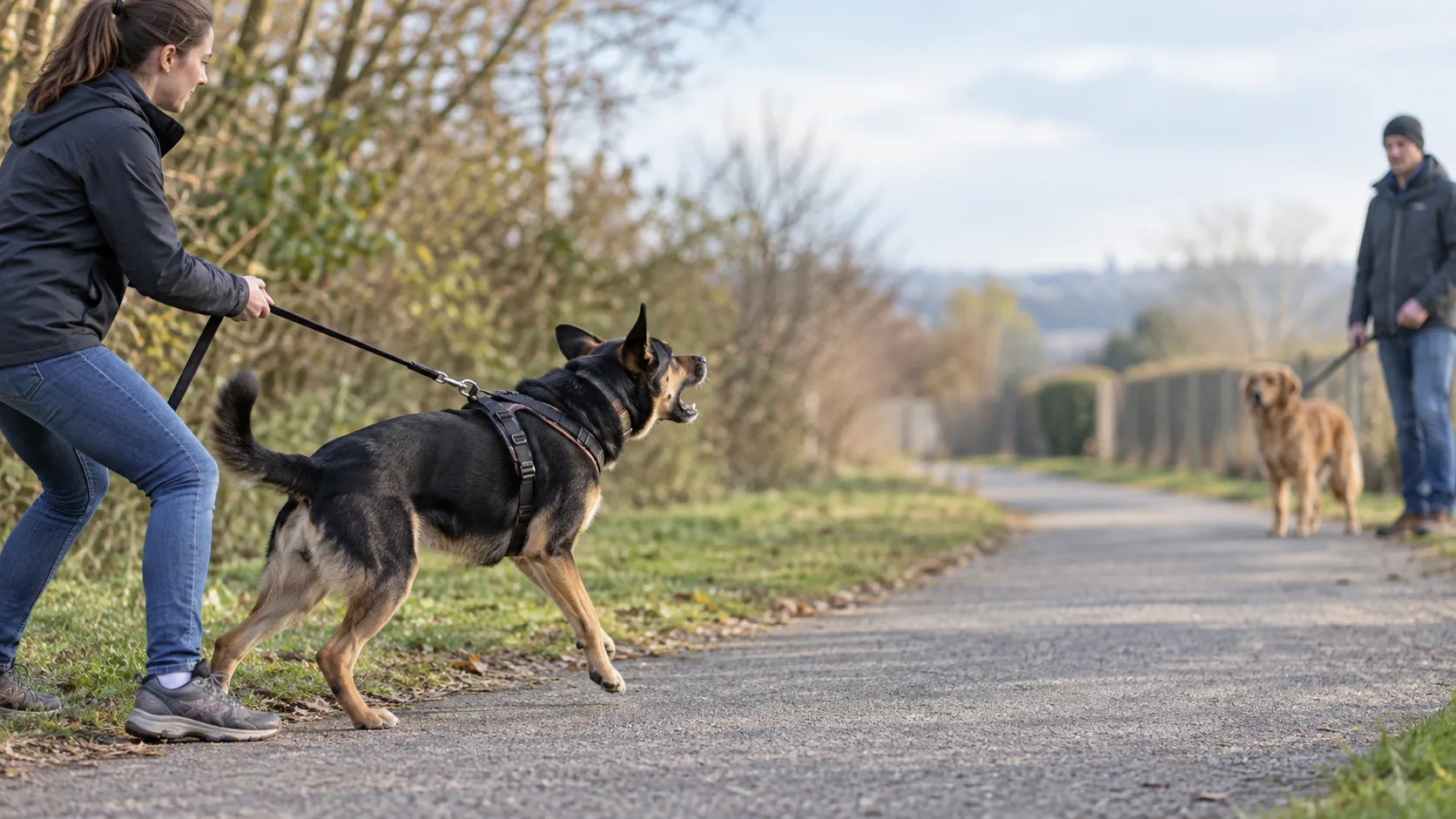
They may bark, lunge, pull intensely, freeze or become unable to focus when certain triggers appear.
When this happens, the issue may involve reactivity, fear, frustration or another behavioural response.
These dogs often benefit from an individualized training plan rather than simply increasing obedience exercises in a busy environment.
The Crunchy Canine offers private in-home dog training for owners who need help with real-world behaviour challenges, including leash skills, recall, reactivity, household manners and reliability around distractions.
Private Dog Training Can Help Build Real-World Reliability
One advantage of private training is that training can happen where your problems actually occur.
Your dog may behave perfectly inside a training facility but struggle on your own street.
Or your biggest concern may happen when visitors enter your home, when another dog walks past your property or when you take your dog through a particular neighbourhood environment.
Private dog training allows the training plan to focus on your dog, your environment and the specific situations that are creating difficulty.
Instead of simply demonstrating what your dog can do in a controlled setting, the goal is to help you build skills that can transfer into everyday life.
Contact The Crunchy Canine to discuss your dog’s training needs.
Dog Training Across Our Ontario Service Areas
The Crunchy Canine works with dog owners throughout several Southern Ontario communities.
Learn more about training options in your area:
If your community is not listed, contact us with your location to ask about service availability.
Frequently Asked Questions
Why does my dog listen inside but ignore me outside?
Outside environments usually contain far more distractions than your home. Your dog may understand the behaviour but may not yet have practised it enough around smells, people, other dogs, movement and other distractions.
Does my dog forget their training when we go outside?
Usually not. A dog may know a behaviour in one environment without being able to perform it reliably everywhere. Dogs need practice in different locations and gradually increasing levels of distraction.
Should I repeat a command if my dog does not listen?
Repeatedly saying the same cue is usually less useful than determining why the dog cannot respond. Reduce the difficulty, create more distance from distractions and practise at a level where your dog can succeed.
How can I get my dog to pay attention to me outside?
Begin in a relatively quiet outdoor environment. Reward your dog for checking in with you, practise simple familiar behaviours and gradually increase distractions as your dog becomes more successful.
Why does my dog’s recall work at home but not at the park?
The park contains many more competing distractions. Recall needs to be practised gradually with increasing distance and distraction before it can become reliable in more challenging environments.
Is my dog stubborn if they do not listen outside?
Not necessarily. Difficulty responding outside often means the environment is more challenging than the dog’s current level of training. Look at distraction level, previous practice and your dog’s emotional state before assuming stubbornness.
When should I get professional dog training help?
Consider professional help when your dog’s behaviour is interfering with normal walks, outings or everyday life, when you are struggling to make progress on your own, or when barking, lunging, fear or reactivity makes training difficult.
Build Training That Works Beyond the Living Room
If your dog listens at home but not outside, it does not mean your training has failed.
It usually means the behaviour needs more practice in different environments and around carefully controlled distractions.
Start with situations where your dog can succeed, increase difficulty gradually and focus on building reliable communication rather than expecting indoor skills to work everywhere immediately.
Real-world reliability takes practice, but the result is a dog who can respond to you when it actually matters.
If you want help developing reliable behaviour at home, on walks and around everyday distractions, contact The Crunchy Canine to discuss private dog training.
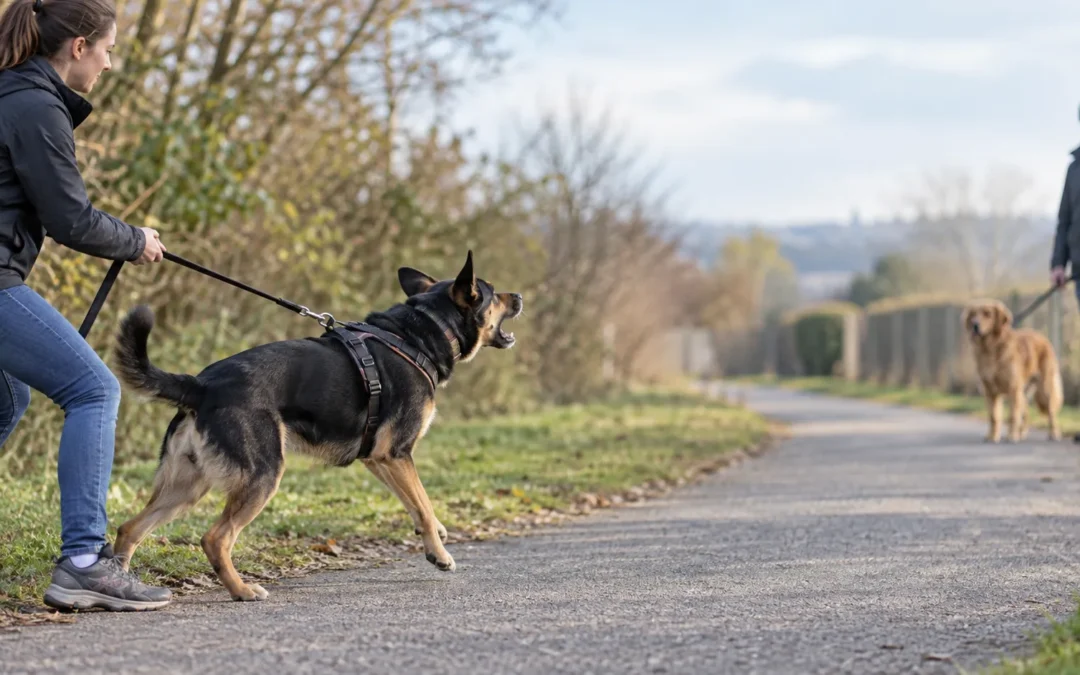
Sep 16, 2026 | Dog Training
Reactive Dog vs Aggressive Dog: What’s the Difference?
Many dog owners use the words reactive and aggressive interchangeably, but they do not always mean the same thing.
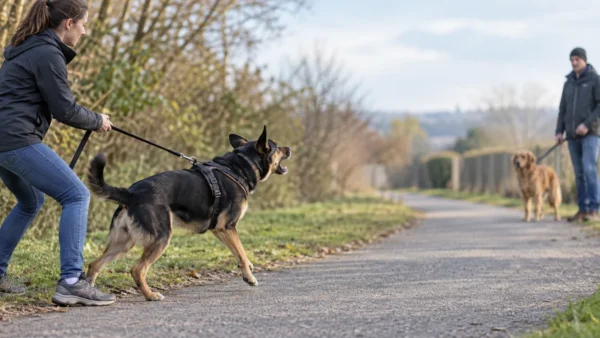
A dog that barks, lunges, growls or pulls toward another dog during a walk may look aggressive, but the behaviour could actually be a reaction caused by fear, frustration, excitement or feeling overwhelmed.
Understanding the difference between a reactive dog and an aggressive dog is an important first step toward choosing the right training approach.
At The Crunchy Canine, we help owners understand why their dogs behave the way they do and develop practical training strategies that improve communication, confidence and reliability in everyday situations.
Contact The Crunchy Canine to discuss your dog’s behaviour and training needs.
What Is a Reactive Dog?
A reactive dog is a dog that has an exaggerated response to a specific trigger.
The trigger could be:
- Another dog
- Strangers
- Children
- Bicycles
- Cars
- New environments
- Visitors entering the home
- Unexpected sounds
When a reactive dog sees a trigger, they may bark, growl, whine, pull on the leash, freeze, hide or become overly excited.
The behaviour is often connected to an emotional response. A dog may be scared, frustrated, unsure, overly excited or unable to cope with the situation.
For example, a dog that barks and lunges at another dog during a walk may not want to harm the other dog. The dog may actually be uncomfortable, frustrated because they cannot greet the dog, or unsure how to respond.
What Is an Aggressive Dog?
Aggression describes behaviour intended to create distance, control an interaction or cause harm.
Aggressive behaviour can include:
- Biting or attempting to bite
- Repeated threatening behaviour
- Guarding resources intensely
- Serious attacks
- Escalating behaviour despite attempts to create distance
However, aggression is not a simple label that can be applied after seeing one behaviour.
A dog that growls is communicating. A growl does not automatically mean a dog is aggressive. It is information that tells us the dog is uncomfortable, stressed or attempting to communicate a boundary.
Understanding the reason behind the behaviour is essential before deciding what type of training approach is appropriate.
Reactive Dog vs Aggressive Dog: Key Differences
| Reactive Dog | Aggressive Dog |
|---|
| Often reacts to specific triggers | May display behaviour intended to threaten or harm |
| Behaviour may come from fear, frustration or excitement | Behaviour may involve serious safety concerns |
| May bark, pull, lunge or avoid | May bite, attack or repeatedly threaten |
| Often improves with behaviour training and management | Requires careful assessment and a structured safety-focused approach |
| Usually has identifiable triggers | May have more complex behavioural patterns |
Why Do Dogs Become Reactive?
Dogs can become reactive for many different reasons.
Common factors include:
- Lack of appropriate social experiences
- Fear or uncertainty
- Frustrating experiences
- Past negative experiences
- Genetics and temperament
- Overexcitement
- Lack of impulse control
- Learning that a behaviour creates distance from something uncomfortable
For example, if a dog barks at another dog and the other dog eventually walks away, the dog may learn that barking works.
Over time, this response can become stronger unless the dog learns a better way to handle the situation.
Signs Your Dog May Be Reactive
Your dog may be showing reactive behaviour if they:
- Bark or lunge when seeing other dogs
- Pull intensely during walks
- Become difficult to control around distractions
- Cannot focus when certain triggers appear
- Become overly excited when meeting people
- React strongly at windows or fences
- Need significant distance from certain triggers
These behaviours can be stressful for both dogs and owners, but they are common training challenges that can often be improved with the right approach.
Can a Reactive Dog Become Better?
Yes, many reactive dogs can make significant progress with appropriate training.
The goal is not always to make a dog love every person, dog or situation they encounter.
The goal is to help the dog:
- Feel more comfortable
- Make better choices
- Respond to owner guidance
- Develop stronger impulse control
- Handle everyday situations more successfully
This requires consistency, clear communication and a training plan designed around the individual dog.
When Should You Consider Professional Dog Training?
Many owners wait until behaviour becomes overwhelming before seeking help.
Professional training can be useful when:
- Your dog is difficult to control on walks
- You avoid certain places because of your dog’s behaviour
- Your dog reacts strongly around visitors
- You feel unsure how to respond
- Your dog’s behaviour is affecting daily life
Every dog is different, which is why understanding the cause of the behaviour is more important than simply trying to stop the visible reaction.
Private Training for Reactive Dogs
Reactive behaviour often requires an individualized approach.
A dog that struggles around other dogs may need a different training plan from a dog that reacts to strangers, noises or handling.
The Crunchy Canine provides private dog training designed around your dog’s specific needs and real-life challenges.
Private training allows us to focus on the situations that matter most, whether that involves neighbourhood walks, home behaviour, visitors, distractions or confidence building.
Contact us to discuss private training options for your dog.
Reactive Dog Training in Ontario
The Crunchy Canine works with dog owners throughout Southern Ontario, including:
If your dog struggles with barking, lunging, fear-based behaviour or difficulty coping with everyday situations, professional guidance can help you understand what your dog is communicating and build better responses.
Frequently Asked Questions
Is a reactive dog dangerous?
Not necessarily. Many reactive dogs are reacting because they are uncomfortable, fearful, frustrated or overwhelmed. Understanding the reason behind the behaviour is important before making assumptions.
Does a reactive dog mean my dog is aggressive?
No. Reactive behaviour and aggression are not the same thing. A dog can react strongly to a trigger without intending to cause harm.
Can reactive dogs be trained?
Yes. Many reactive dogs improve with consistent training, appropriate management and a plan designed around their individual behaviour.
Should a reactive dog attend group classes?
It depends on the individual dog. Some reactive dogs benefit from private training first before participating in group environments.
How do I know if my dog needs professional help?
If your dog’s behaviour is affecting your daily life, limiting activities or creating stress for you or your dog, professional guidance can help you choose the right next steps.
A reactive dog is not automatically an aggressive dog.
Understanding the difference allows owners to respond with better information instead of frustration or fear.
With patience, consistency and the right training approach, many dogs can learn better ways to respond to the world around them.
If you are struggling with your dog’s behaviour, contact The Crunchy Canine and let us help you understand the best training option for your dog.
Oct 19, 2021 | Dog Training, TESTIMONIALS
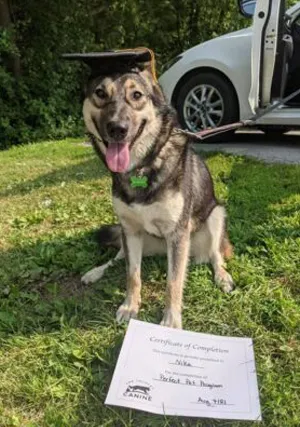 “We had such a positive experience working with our trainer Katie.
Nika really benefited from all the little tips and tricks we learned along the way and was a great fit for our needs.
Even though COVID threw a curveball at our training schedule, Katie was always so accommodating.
In the end, we feel confident that the training was one of the best things we could have offered Nika for a happy dog life.
Thanks so much to everyone at The Crunchy Canine for creating such a positive experience!”
Heather with Nika from Brantford, Ontario
Jul 8, 2021 | Dog Training
We often find that clients do not understand why their dog struggles with certain behaviours. Most of the time, the human has set a certain expectation, but the dog has not been properly prepared to meet it.
When no clear criteria have been set, not enough training time has been put in, and the dog is expected to perform too much too soon, failure is usually the result.
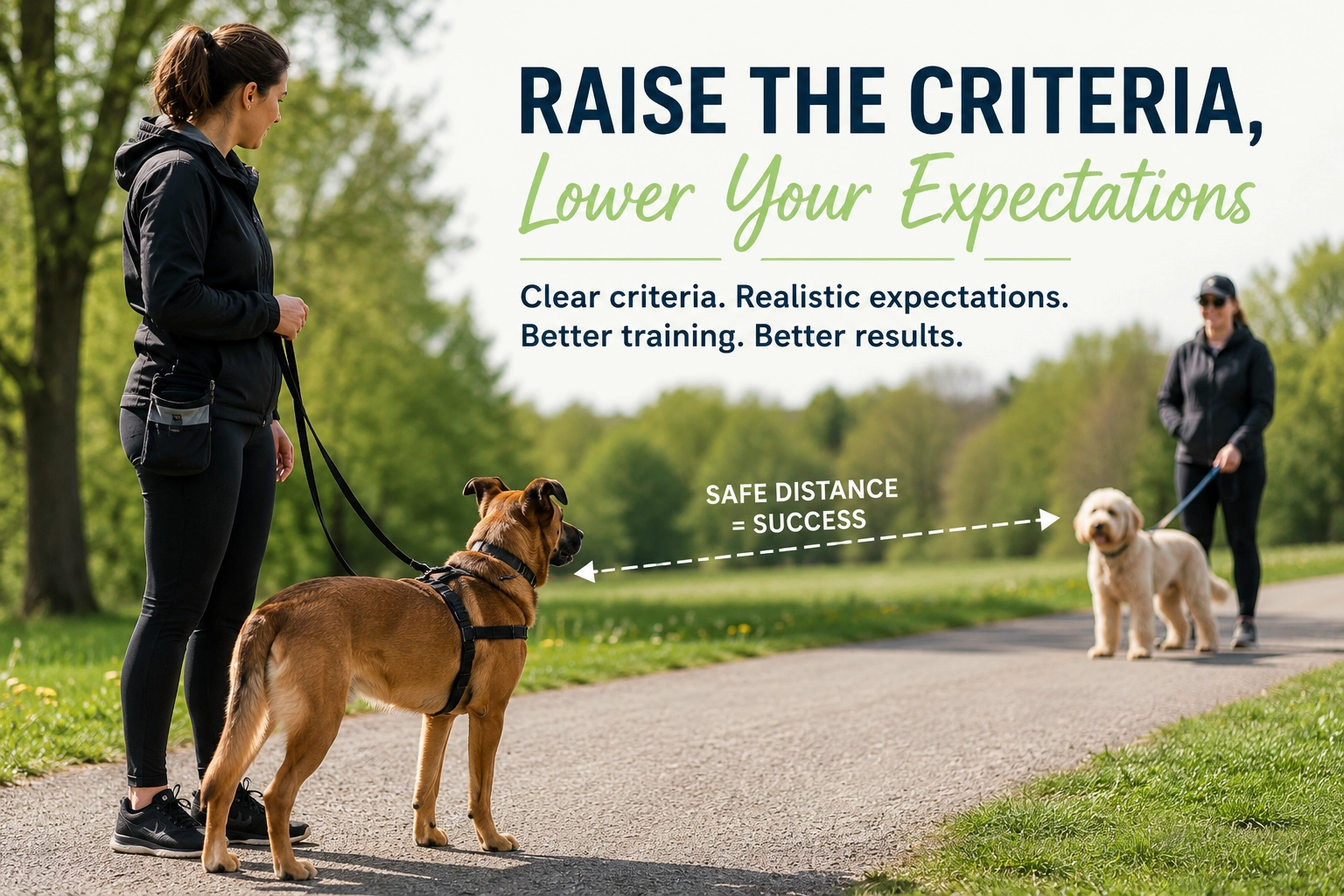
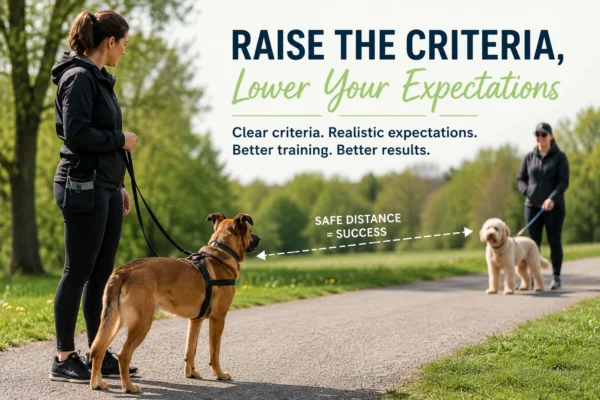
So how do we break this down and move past it? The answer is simple: raise the criteria, but lower your expectations.
What Does “Raise the Criteria, Lower Your Expectations” Mean?
In dog training, criteria means the standard you are asking your dog to meet. Expectations are what you believe your dog should be able to do in a certain situation.
When we talk about dog training criteria, we are talking about the exact behaviour we want from the dog. For example, staying calm, listening to commands, accepting food, holding a position, or continuing to move forward.
Raising the criteria means being clear about what behaviour is required. Lowering your expectations means setting up the situation so your dog can actually be successful.
Example: Reactive Dog Training on Leash
Let’s use the example of a dog who is reactive to other dogs while on leash.
Most owners know what they want. They want their dog to walk politely past other dogs. However, many owners do not know what the training criteria should be, and their expectations are often too high too soon.
When working with a reactive dog, we can raise the criteria by asking the dog to:
- Stay calm
- Listen to commands
- Accept food
- Keep moving
- Stay connected to the handler
However, in order for the dog to meet those criteria, we may need to lower our expectations about distance.
Book a Consultation
Distance Matters in Reactive Dog Training
If your dog loses their mind at 20 feet from another dog, cannot take food, cannot respond to commands, and cannot keep moving, then expecting success at 20 feet is unreasonable at that stage.
That does not mean your dog is bad. It means the setup is too difficult.
If your dog can stay mostly calm, accept food, listen, and keep moving at 40 feet, then that is where training should begin.
In that moment, you have raised the criteria but lowered your expectations. You are still asking for better behaviour, but you are setting the dog up at a distance where success is possible.
Progress Comes From Successful Repetition
As training improves, you can continue to raise the criteria. Over time, the dog may be able to stay calm, listen, accept food, and keep moving at a closer distance.
The key is to keep your expectations reasonable based on the amount of training your dog has actually done.
Good training is not about throwing your dog into a difficult situation and hoping they figure it out. It is about creating successful repetitions and slowly increasing the challenge.
Example: Teaching a Reliable Sit Command
Here is another simple example.
Let’s say you are working on your dog’s sit command. Your goal is for your dog to sit the first time you ask and hold the sit until released, even in public around distractions.
That is a great goal, but your dog may not be ready to do that in a busy environment yet.
Raise the Criteria
The criteria might be:
- Sit the first time I ask
- Hold the command until released
- Stay in position even with distractions
- Follow through when the leash is on
Lower the Expectations
If your dog struggles around people, you need to make the setup easier.
You may need to train farther away from the distraction, keep the leash on so you can follow through, and choose an environment where your dog can be successful.
You are not expecting perfection right away. But you are still maintaining clear criteria and helping your dog learn how to succeed.
Why Lowering Expectations Is Not the Same as Lowering Standards
Lowering your expectations does not mean allowing sloppy behaviour. It does not mean giving up on your goals.
It means understanding where your dog is in the training process and creating a setup that allows learning to happen.
You can still have high standards. You simply need to build toward those standards in a fair and realistic way.
How This Helps Your Dog Succeed
When you raise the criteria but lower your expectations, you make training clearer and less frustrating for both you and your dog.
Your dog learns what behaviour is expected, and you learn how to set up the environment so your dog has a better chance of making the right choice.
This approach can help with many training goals, including:
- Leash reactivity
- Loose leash walking
- Recall training
- Place command
- Sit and stay
- Impulse control
- Calm behaviour around distractions
- Better manners in public
Book a Consultation
Need Help With Dog Training Criteria?
If you are struggling with your dog’s behaviour, take a step back and ask yourself two questions:
- What exactly do I need my dog to do or not do?
- How can I make the situation easier so my dog can be successful?
Our dog training programs can help you choose the right training path for your dog’s needs.
For dogs who need one-on-one support with reactivity, leash manners, impulse control, or behaviour concerns, our Private Training programs are often the best fit.
If your dog is ready to learn around other dogs and people in a structured environment, our Group Classes can help build focus and obedience around distractions.
For dogs who need more mental and physical outlets, activities like Agility, Scent Detection, or structured Day Camp may also be helpful options.
Book a Consultation
If you are struggling with your dog’s behaviour, the best thing to do is take a step back.
Think about what you need your dog to do, lower your expectations to a level where your dog can succeed, and raise the criteria for the behaviour you are training.
Clear criteria, fair expectations, and consistent practice can make a major difference in your dog’s progress.
Contact us today if you need help creating a training plan that sets your dog up for success.
FAQ:
What does criteria mean in dog training?
Criteria means the specific standard or behaviour you are asking your dog to meet. For example, sitting when asked, staying calm, accepting food, holding place, or walking politely.
What does it mean to lower expectations in dog training?
Lowering expectations means making the training setup easier so your dog can be successful. This may mean increasing distance from distractions, choosing a calmer environment, or breaking the skill into smaller steps.
How can this help a reactive dog?
A reactive dog may not be able to stay calm too close to another dog. By increasing distance and setting clear criteria, you can help the dog stay calm, listen, accept food, and keep moving.
Is lowering expectations the same as allowing bad behaviour?
No. Lowering expectations does not mean lowering standards. It means setting up training in a fair way so your dog can learn successfully.
Can private training help with reactivity and behaviour problems?
Yes. Private training can help identify the right criteria, distance, structure, and training plan for your dog’s specific behaviour challenges.
Jul 19, 2016 | Dog Training
Teaching your dog not to run out the door could literally save their life.
Dogs do not automatically understand how dangerous it can be to bolt through the front door, run out a backyard gate, or push past someone entering the house. Unless you teach your dog what to do at doorways, there is a good chance they may try it at least once in their life.
For some dogs, door bolting becomes a repeated habit. That is why dog door bolting training is such an important life skill.
Life Saving Dog Training Advice
One of the most important safety skills you can teach your dog is how to stay calm and controlled around doors.
Whether it is the front door, back door, garage door, car door, or backyard gate, your dog should learn that an open doorway does not mean they are free to rush through it.
How to Train Your Dog Not to Run Out the Door
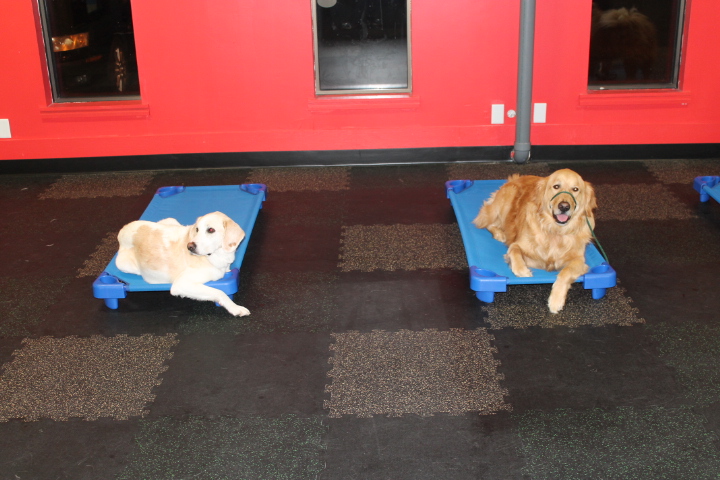
The goal is to teach your dog that waiting at the door becomes the default behaviour. Instead of charging forward when the door opens, your dog learns to pause, listen, and wait for permission.
This type of training should be practiced at every doorway, including the gate to the backyard. When the behaviour becomes consistent, your dog will be much less likely to run out, even when guests arrive or someone accidentally leaves the door open.
Why Doorway Manners Matter
Door bolting can be dangerous for many reasons. A dog who runs out the door may head toward the road, chase wildlife, approach another dog, or become lost.
Many dogs are not trying to be “bad” when they rush through a door. They are simply excited, curious, or used to getting what they want by pushing forward.
That is why training matters. Your dog needs to be taught what behaviour is expected before the door opens.
Make Waiting at the Door a Default Behaviour
When you practice consistently, your dog can learn that every doorway has the same rule: stop, wait, and look for guidance.
This makes daily life safer and easier. It also helps your dog build better impulse control, which can carry over into other areas of training.
A dog who can wait calmly at the door is also learning patience, focus, and respect for boundaries.
Practice at Every Door and Gate
Do not only practice at the front door. Dogs need to understand that the rule applies everywhere.
You can practice doorway manners at:
- The front door
- The back door
- The garage door
- The backyard gate
- The car door
- Crate doors
The more consistent you are, the clearer the rule becomes for your dog.
Training Help for Door Bolting and Impulse Control
If your dog struggles with rushing doors, ignoring commands, jumping on guests, or becoming overly excited, structured training can help.
Our dog training programs are designed to help dogs build better manners, impulse control, and everyday obedience.
For dogs who need one-on-one support with door bolting, leash manners, or behaviour concerns, our Private Training programs can help create a plan that fits your dog and your home.
If your dog would benefit from learning around other people and dogs, our Group Classes can also help improve focus and listening skills around distractions.
Teaching your dog not to run out the door is one of the most valuable safety skills you can build.
When doorway manners become a default behaviour, your dog learns to wait calmly instead of rushing outside. No matter who comes in the door, your dog is more likely to stay safe, controlled, and responsive.
If you need help teaching your dog safe doorway manners, contact us today to learn more about our training options.
Book a Consultation
FAQ:
Why does my dog run out the door?
Dogs often run out the door because they are excited, curious, under-exercised, or have never been taught a clear doorway rule. Training helps teach your dog to pause and wait instead of rushing forward.
Can doorway training really save my dog’s life?
Yes. A dog who bolts out the door may run into traffic, get lost, chase animals, or approach unsafe situations. Teaching doorway manners can help prevent dangerous accidents.
Should I practice doorway manners at every door?
Yes. Practice at the front door, back door, backyard gate, garage door, car door, and crate door. Consistency helps your dog understand that the same rule applies everywhere.
What should my dog do when the door opens?
Your dog should learn to pause, stay calm, and wait for permission before moving through the doorway. This should become the default behaviour over time.
Can private training help stop door bolting?
Yes. Private training can help teach safe doorway manners, impulse control, leash skills, and better listening around distractions.
Jul 6, 2016 | Dog Training
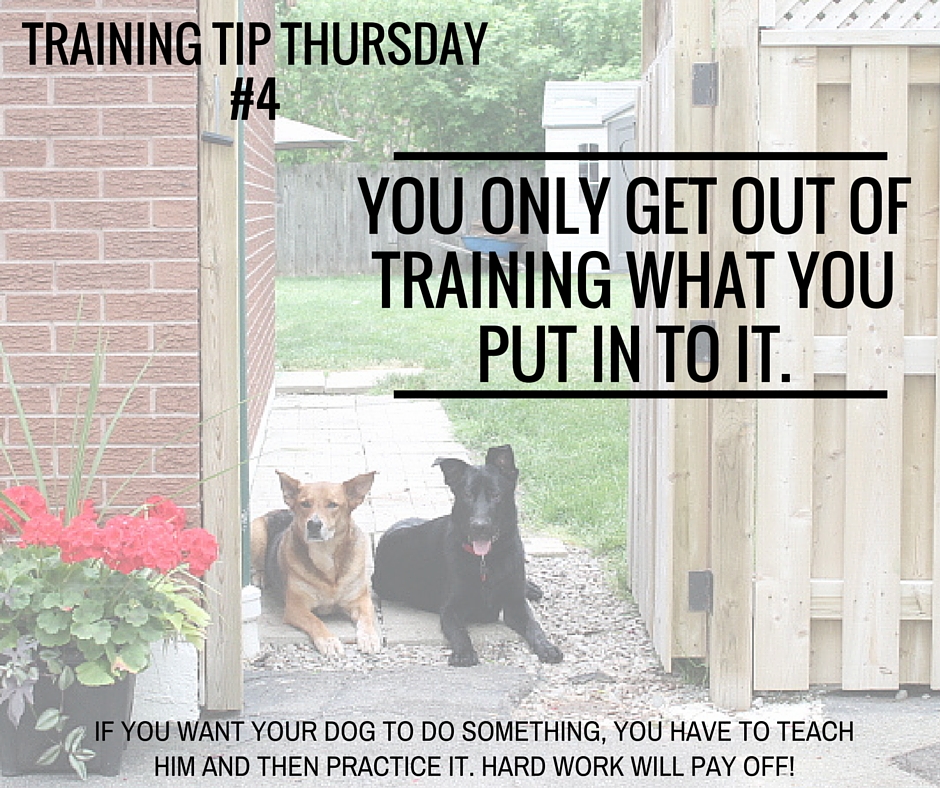
You only get out of training what you put into it.
If you want your dog to do something, you have to teach them first, and then you have to practice it. Dog training does not happen by accident. It takes time, effort, patience, and consistency.
This is why dog training consistency is so important. Hard work will pay off, but your dog needs clear direction and regular practice in order to understand what you expect.
Dog Training Tip #4: You Get Out What You Put In
Many dog owners want better behaviour, better listening, and better manners. However, those results require training outside of the actual lesson or class.
A trainer can show you what to do, guide the process, and help create a plan. But the real progress happens when you continue practicing at home, on walks, around distractions, and in everyday life.
Your Dog Needs to Be Taught First
Dogs do not automatically know what we want from them.
If you want your dog to walk nicely, stay calm at the door, come when called, stop jumping, hold place, or behave around guests, those behaviours need to be taught clearly.
Once your dog understands the behaviour, you then need to practice it often enough that it becomes reliable.
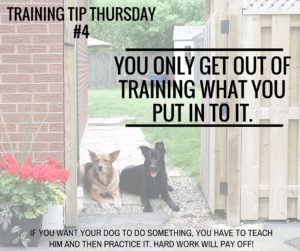
Practice Is What Builds Reliable Behaviour
Training is not something you do once and then forget about. Dogs need repetition and consistency in order to build strong habits.
If you only practice during a training session but never use those skills in real life, your dog may struggle to understand that the same rules apply everywhere.
Daily practice helps your dog learn that training is part of normal life, not just something that happens once in a while.
Consistency Matters More Than Perfection
You do not need to be perfect to make progress. However, you do need to be consistent.
Short, regular practice sessions are often more effective than one long session once in a while. Even a few minutes each day can make a difference when you are clear and consistent.
Practice during simple daily moments, such as:
- Before opening the door
- Before feeding meals
- During walks
- When guests arrive
- Before play starts
- When asking your dog to settle on place
Training Should Become Part of Everyday Life
The best training results happen when training becomes part of your dog’s daily routine.
You can practice obedience, manners, impulse control, and calm behaviour throughout the day. This helps your dog understand that good behaviour is expected everywhere, not just during formal training time.
If your dog needs more structure, our dog training programs can help you find the right option.
Need Help Staying Consistent With Training?
If you are struggling with your dog’s behaviour, consistency can feel overwhelming at first. That is where training support can help.
Our Private Training programs are a great fit for dogs who need one-on-one support with behaviour, manners, leash walking, impulse control, or home structure.
If your dog would benefit from learning around other dogs and people, our Group Classes can help build focus and obedience in a structured environment.
For active dogs who need extra outlets, Agility and Scent Detection can provide fun ways to use their body and brain.
For dogs who need structured activity during the day, our Day Camp may also be a helpful option.
Book a Consultation
If you want your dog to do something, you have to teach them and then practice it.
Training takes effort, but the payoff is worth it. With consistency, patience, and clear communication, your dog can learn better habits and become easier to live with.
You only get out of training what you put into it, so keep practicing. Hard work will pay off.
Contact us today if you would like help building a training plan for your dog.
FAQ:
Why is consistency important in dog training?
Consistency helps your dog understand what is expected. When the rules are clear and practiced regularly, your dog is more likely to repeat the right behaviour.
How often should I practice dog training?
Short daily practice sessions are ideal. Even a few minutes each day can help your dog build better habits when you are clear and consistent.
Why does my dog listen in training but not at home?
Your dog may need more practice in real-life situations. Dogs need to learn that the same rules apply at home, outside, around guests, and around distractions.
Can group classes help with training consistency?
Yes. Group classes can help you practice obedience and focus around distractions while building better communication with your dog.
What should I do if I am struggling with my dog’s behaviour?
If you are struggling, private training can help identify what your dog needs and give you a clear plan to follow at home.