
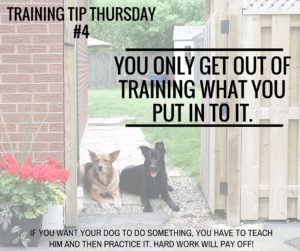
You only get out of training what you put into it.
If you want your dog to do something, you have to teach them first, and then you have to practice it. Dog training does not happen by accident. It takes time, effort, patience, and consistency.
This is why dog training consistency is so important. Hard work will pay off, but your dog needs clear direction and regular practice in order to understand what you expect.
Dog Training Tip #4: You Get Out What You Put In
Many dog owners want better behaviour, better listening, and better manners. However, those results require training outside of the actual lesson or class.
A trainer can show you what to do, guide the process, and help create a plan. But the real progress happens when you continue practicing at home, on walks, around distractions, and in everyday life.
Your Dog Needs to Be Taught First
Dogs do not automatically know what we want from them.
If you want your dog to walk nicely, stay calm at the door, come when called, stop jumping, hold place, or behave around guests, those behaviours need to be taught clearly.
Once your dog understands the behaviour, you then need to practice it often enough that it becomes reliable.
Practice Is What Builds Reliable Behaviour
Training is not something you do once and then forget about. Dogs need repetition and consistency in order to build strong habits.
If you only practice during a training session but never use those skills in real life, your dog may struggle to understand that the same rules apply everywhere.
Daily practice helps your dog learn that training is part of normal life, not just something that happens once in a while.
Consistency Matters More Than Perfection
You do not need to be perfect to make progress. However, you do need to be consistent.
Short, regular practice sessions are often more effective than one long session once in a while. Even a few minutes each day can make a difference when you are clear and consistent.
Practice during simple daily moments, such as:
- Before opening the door
- Before feeding meals
- During walks
- When guests arrive
- Before play starts
- When asking your dog to settle on place
Training Should Become Part of Everyday Life
The best training results happen when training becomes part of your dog’s daily routine.
You can practice obedience, manners, impulse control, and calm behaviour throughout the day. This helps your dog understand that good behaviour is expected everywhere, not just during formal training time.
If your dog needs more structure, our dog training programs can help you find the right option.
Need Help Staying Consistent With Training?
If you are struggling with your dog’s behaviour, consistency can feel overwhelming at first. That is where training support can help.
Our Private Training programs are a great fit for dogs who need one-on-one support with behaviour, manners, leash walking, impulse control, or home structure.
If your dog would benefit from learning around other dogs and people, our Group Classes can help build focus and obedience in a structured environment.
For active dogs who need extra outlets, Agility and Scent Detection can provide fun ways to use their body and brain.
For dogs who need structured activity during the day, our Day Camp may also be a helpful option.
If you want your dog to do something, you have to teach them and then practice it.
Training takes effort, but the payoff is worth it. With consistency, patience, and clear communication, your dog can learn better habits and become easier to live with.
You only get out of training what you put into it, so keep practicing. Hard work will pay off.
Contact us today if you would like help building a training plan for your dog.
FAQ:
Why is consistency important in dog training?
Consistency helps your dog understand what is expected. When the rules are clear and practiced regularly, your dog is more likely to repeat the right behaviour.
How often should I practice dog training?
Short daily practice sessions are ideal. Even a few minutes each day can help your dog build better habits when you are clear and consistent.
Why does my dog listen in training but not at home?
Your dog may need more practice in real-life situations. Dogs need to learn that the same rules apply at home, outside, around guests, and around distractions.
Can group classes help with training consistency?
Yes. Group classes can help you practice obedience and focus around distractions while building better communication with your dog.
What should I do if I am struggling with my dog’s behaviour?
If you are struggling, private training can help identify what your dog needs and give you a clear plan to follow at home.