
Who would not want to have a happy dog?
We love our dogs like family, but do we always know what truly makes them happy? Many people believe love and affection are all a dog needs. While affection is important, it should not be the only thing we give them.
A truly happy dog needs balance. Dogs need structure, exercise, training, rest, health, and purpose. When those needs are met, affection becomes even more meaningful.
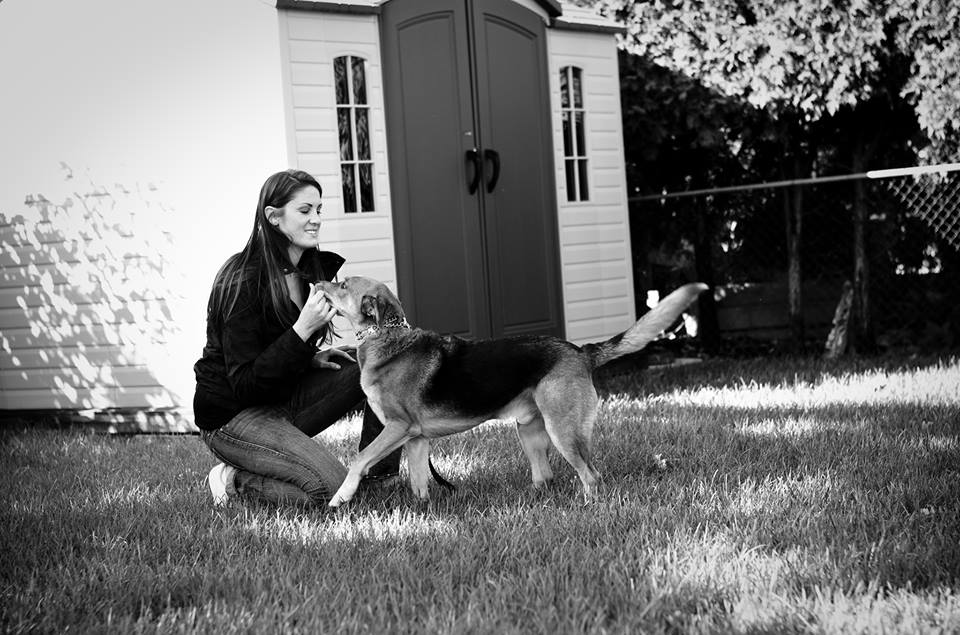
10 Ingredients to a Happy Dog
Take an honest look at your current routine and see where each of these points falls. If you make a few adjustments and rearrange your priorities, you may see significant changes in your dog’s behaviour and in your relationship.
1. A Good Quality Diet
What your dog eats matters. A healthy, balanced diet can support your dog’s energy, coat, digestion, focus, and overall well-being.
Dogs learn and behave better when they feel their best, so nutrition should be part of the bigger picture when thinking about behaviour and training.
2. Playtime
Play is important for bonding, confidence, and enrichment. Structured play can also be used as part of training.
Games like fetch, tug, or controlled toy play can help your dog burn energy while also practicing impulse control, listening, and engagement.
3. Exercise
Dogs need regular physical exercise to stay healthy and fulfilled. For most dogs, daily walks are a basic need, not a luxury.
A dog who does not get enough exercise may become restless, pushy, demanding, or difficult to manage at home.
4. Quiet Time and Down Time
A happy dog also needs to know how to relax.
Some dogs get plenty of exercise but still struggle to settle. Teaching calm behaviour, crate time, place command, and structured down time can help create balance.
5. Socialization
Socialization does not mean letting your dog meet every person or dog they see. Good socialization means helping your dog experience the world in a calm, controlled, and positive way.
Dogs should learn how to be neutral around people, dogs, sounds, places, and distractions.
6. Give Your Dog a Job
Dogs are happier when they have purpose. A job can be as simple as working for meals, practicing obedience, walking politely, holding place, or learning scent work.
When dogs have something productive to do, they are less likely to create their own unwanted jobs, such as barking, digging, chewing, or demanding attention.
7. Rest and Sleep
Rest is just as important as exercise. Dogs need enough sleep to recover, process learning, and remain balanced.
Overtired dogs can become cranky, mouthy, hyper, or harder to train, especially puppies and young dogs.
8. Training
Training gives your dog clarity. It teaches them what is expected and helps build better communication between dog and owner.
Training can help with obedience, manners, leash walking, impulse control, recall, confidence, and behaviour concerns.
If you need help choosing the right training option, explore our dog training programs.
9. Maintaining Good Health
Your dog’s physical health can affect behaviour. Pain, discomfort, allergies, digestive problems, or other health concerns may make training harder.
Regular veterinary care, grooming, dental care, weight management, and appropriate exercise all play a role in keeping your dog happy and healthy.
10. Love and Affection
Love and affection are important, but notice that they are listed last for a reason.
If affection becomes the only thing your dog receives, and structure, training, exercise, and boundaries are missing, behavioural issues can begin.
Give your dog affection, but make sure it is part of a balanced life that includes all the other ingredients too.
What Does a Happy Dog Really Need?
What humans view as “happy” is not always what dogs need to feel fulfilled.
A dog who receives only affection may still feel bored, under-exercised, anxious, or frustrated. A dog who receives structure, purpose, training, exercise, rest, and affection is more likely to become calm, confident, and well behaved.
Small Changes Can Make a Big Difference
You do not need to change everything overnight. Start with small changes.
Add one more walk. Practice a few minutes of training. Give your dog a job during mealtime. Build quiet time into the day. Improve your dog’s routine one step at a time.
Small changes made consistently can transform your dog’s behaviour and improve your relationship.
Need Help Creating a Happier, Better Balanced Dog?
If your dog is struggling with behaviour, manners, energy, focus, or confidence, structured training can help.
Our Private Training programs are a great option for dogs who need one-on-one support with behaviour, obedience, leash manners, or home structure.
If your dog would benefit from learning around other people and dogs, our Group Classes can help build focus and confidence in a structured environment.
For dogs who need fun physical and mental outlets, Agility and Scent Detection can be excellent activities.
If your dog needs more structure, routine, and activity during the day, our Day Camp may also be a helpful option.
A happy dog needs more than love alone.
Diet, playtime, exercise, quiet time, socialization, purpose, rest, training, health, and affection all work together to create a more balanced dog.
Make small changes today and continue building better habits each day. Your dog will thank you for it.
Contact us today if you would like help creating a better training and lifestyle plan for your dog.
Happy Training!
Katherine
FAQ:
What makes a dog happy?
A happy dog needs a balanced life that includes good food, exercise, play, training, rest, health care, socialization, purpose, and affection.
Is love enough to make a dog happy?
Love is important, but it is not enough on its own. Dogs also need structure, boundaries, exercise, training, and mental stimulation.
Why does my dog need a job?
Dogs benefit from having purpose. A job can include obedience, working for meals, place command, scent work, structured play, or learning new skills.
Can lack of exercise cause behaviour problems?
Yes. Dogs who do not get enough exercise or mental stimulation may become restless, demanding, destructive, or difficult to manage.
Can training help my dog become happier?
Yes. Training gives dogs clarity, structure, communication, and confidence. A well-trained dog is often easier to live with and more fulfilled.