
What you feed your dog matters.
Before you begin training, it is important to make sure your dog is eating a healthy, balanced diet. Dogs learn best when they feel their best, and good nutrition can make training easier.
When we talk about dog food and training, we are not saying food will magically fix every behaviour problem. However, diet can affect your dog’s energy, focus, digestion, coat health, and overall well-being. A dog who feels better is often in a better position to learn.
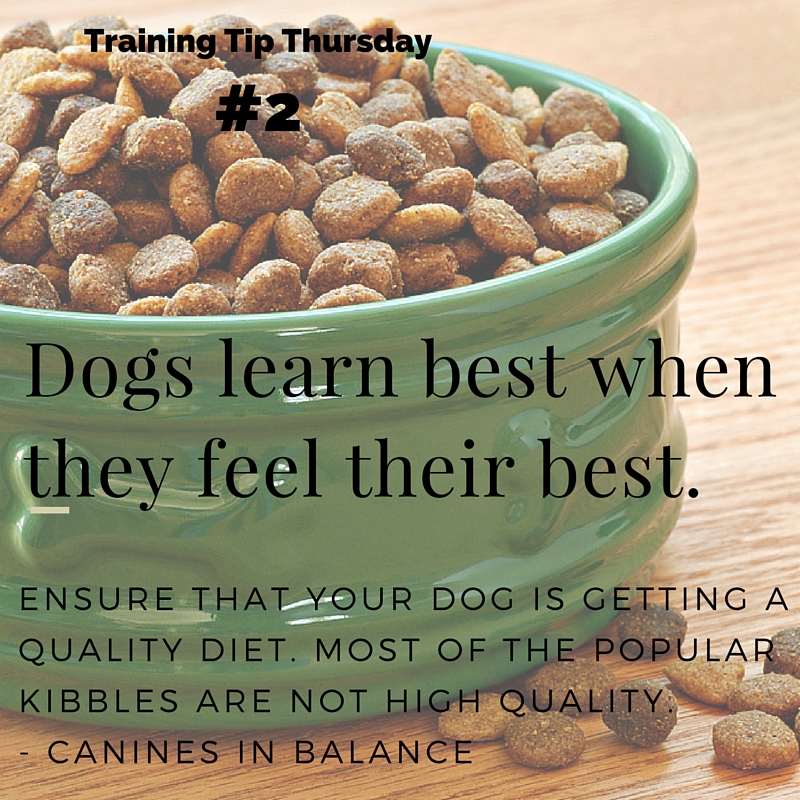
Dog Training Tip #2: Food Matters
Training is not only about commands, leash skills, and behaviour work. Your dog’s daily health also matters.
Think about a child going to school after eating only fast food. They may struggle to focus, feel sluggish, or lack the energy they need to learn well. Dogs are no different. They need quality nutrition to thrive.
Why Diet Can Affect Dog Training
A healthy diet can support your dog’s ability to learn and participate in training. If your dog is uncomfortable, itchy, low-energy, or not feeling their best, training may be harder than it needs to be.
Good nutrition may help support:
- Better focus during training
- More balanced energy levels
- Healthier skin and coat
- Better digestion
- Improved overall well-being
- A more comfortable and motivated dog
Of course, every dog is different. If your dog has allergies, digestive issues, medical concerns, or sudden behaviour changes, it is always best to speak with your veterinarian.
Check the Quality of Your Dog’s Food
Many pet owners assume that big-name dog food brands are always the best choice, but it is worth doing your research.
We suggest reviewing your dog’s current food and learning more about the ingredients, quality, and rating. One helpful resource many dog owners use is Dog Food Advisor.
If your dog’s food ranks poorly, you may want to consider switching to a higher-quality option that better supports your dog’s health and training goals.
Choosing a Better Dog Food
There are many different ways to feed a dog, and the best choice can depend on your dog’s age, health, activity level, allergies, and individual needs.
Some dog owners choose higher-quality kibble. Others choose fresh food, gently cooked food, or a complete raw diet. The most important thing is to choose a food that is appropriate, balanced, and works well for your dog.
Some brands that are often discussed by dog owners looking for higher-quality food include Acana, Orijen, Nature’s Variety, and Carna4.
Raw Feeding and Dog Health
We feed our own dogs a complete raw diet and strongly suggest looking into it if you are interested in learning more.
Many raw-fed dog owners report benefits such as shinier coats, cleaner ears and eyes, less shedding, and fewer allergy-related concerns. However, raw feeding must be done properly and safely to ensure the dog receives a complete and balanced diet.
If you are considering raw feeding, do your research and speak with a knowledgeable professional or veterinarian so you can make an informed decision for your dog.
Food Is Only One Part of Training
Food matters, but it is only one piece of the puzzle.
Your dog also needs structure, exercise, clear communication, consistency, and proper training. A healthy diet can help your dog feel better, but training still requires time and effort.
If your dog struggles with behaviour, leash manners, puppy issues, or obedience, our dog training programs can help you choose the right path.
For dogs who need one-on-one support, our Private Training programs can help with behaviour, structure, and training goals at home.
If your dog is ready to learn around other dogs and people, our Group Classes can help build focus and obedience in a structured environment.
For dogs who need more physical and mental outlets, activities like Agility, Scent Detection, or structured Day Camp may also be helpful options.
Before you begin training, take a look at what your dog is eating.
A healthy, balanced diet can help your dog feel better, focus better, and participate more successfully in training. Food will not replace training, but it can support the process.
If you want better results, start with the whole dog: nutrition, exercise, structure, and consistent training.
Contact us today if you would like help building a training plan that supports your dog’s behaviour, health, and daily routine.
FAQ:
Does dog food affect training?
Yes, food can affect training because nutrition can influence energy, comfort, focus, digestion, and overall well-being. A dog who feels better may be more ready to learn.
Should I change my dog’s food before starting training?
If your dog is doing well on their current food, a change may not be necessary. However, if your dog has poor digestion, low energy, skin issues, or other concerns, it may be worth reviewing their diet and speaking with a professional.
What is the best food for dog training?
The best food depends on your dog’s individual needs. Choose a balanced, quality diet that supports your dog’s health, energy, and digestion.
Can I feed raw food to my dog?
Some owners choose a complete raw diet for their dogs. Raw feeding must be properly balanced and handled safely, so it is important to research carefully and speak with a knowledgeable professional.
Is food enough to fix dog behaviour problems?
No. Food can support health and training, but behaviour change still requires structure, exercise, consistency, and proper training.