
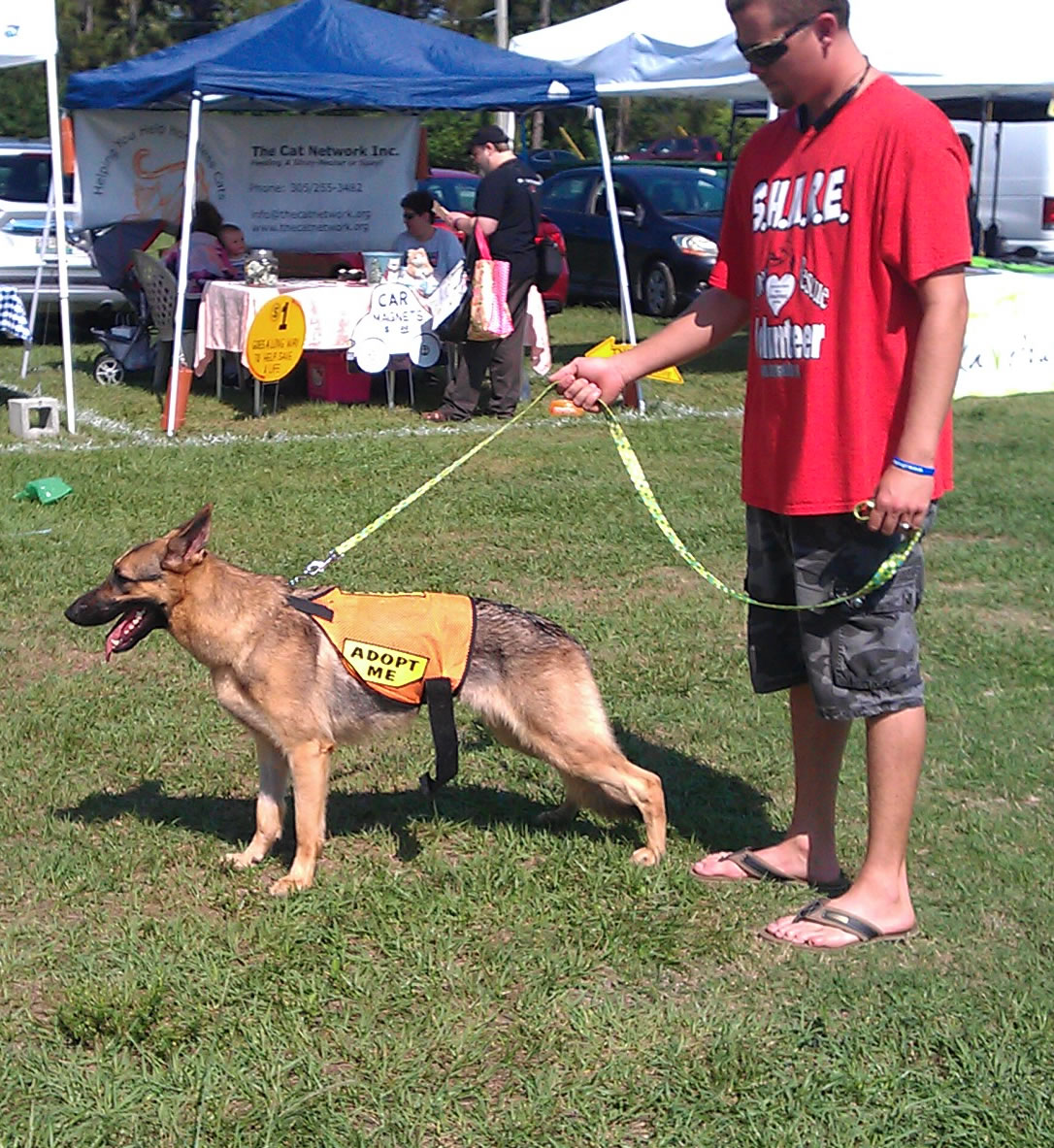
 If every walk feels like a tug-of-war, you’re not alone. Leash pulling is one of the most common challenges dog owners face, regardless of their dog’s age or breed.
Many people try different collars, harnesses, or training gadgets in the hope of finding a quick fix. Unfortunately, without understanding why your dog pulls on the leash, even the most expensive equipment is unlikely to solve the problem.
The good news is that loose leash walking is a skill that any dog can learn with patience, consistency, and the right approach.
Let’s explore the three most common reasons dogs pull on the leash and what you can do to improve your walks.
1. Pulling Gets Your Dog What They Want
For your dog, pulling works.
Whether they’re pulling to sniff a tree, greet another dog, say hello to a neighbour, or simply move forward faster, they’re being rewarded every time they reach their destination.
From your dog’s perspective, pulling is successful because it gets them exactly what they want.
To stop leash pulling, you need to change that expectation.
Your dog should only move forward when the leash is loose. If they pull, stop walking immediately. Wait for the leash to relax before continuing.
The key to success is consistency. If your dog pulls and you continue walking—even for a few steps—you unintentionally reward the behaviour.
Here are some helpful tips:
- Stop moving the moment the leash becomes tight.
- Resume walking only when your dog returns to your side or loosens the leash.
- Reward your dog with praise, treats, or forward movement when they walk politely.
- Be consistent on every walk.
Remember: every step your dog takes while pulling reinforces the habit.
2. Your Energy and Habits Influence the Walk
Your dog’s behaviour often reflects your own actions and emotions.
Many owners accidentally create excitement before a walk by asking, “Do you want to go for a walk?” in an enthusiastic voice. While it’s fun to see your dog get excited, starting the walk in an over-aroused state can make calm leash walking much more difficult.
Think of it this way: giving a highly excited dog a walk challenge is a bit like giving a child a sugary energy drink right before bedtime.
Instead, focus on creating a calm routine before leaving the house.
Ask yourself these questions:
- Does your dog rush out the door?
- Do you feel stressed or frustrated before the walk even begins?
- Do you keep constant tension on the leash?
Dogs are incredibly sensitive to body language and emotions. If you’re tense or anxious, your dog may respond with increased excitement or frustration.
Practice these habits to encourage loose leash walking:
- Wait for your dog to calm down before clipping on the leash.
- Ask your dog to pause politely at the door before going outside.
- Take a few deep breaths and relax your shoulders.
- Allow the leash to remain loose whenever possible.
- Reward calm behaviour before and during the walk.
Sometimes, improving your dog’s leash manners starts with changing your own routine.
3. You May Be Using the Wrong Equipment
There are countless collars, harnesses, and training tools marketed as quick solutions for leash pulling. However, no tool will replace proper training.
Using equipment incorrectly can lead to confusion, frustration, or even discomfort for your dog.
Many training tools are available at pet stores, but staff members may not have the experience needed to ensure proper fit and use.
If you’re unsure which equipment is best for your dog, seek guidance from a qualified dog trainer.
A professional can help you:
- Choose equipment that suits your dog’s size, breed, and temperament.
- Ensure the tool fits correctly.
- Learn how to use it effectively and humanely.
- Develop a training plan tailored to your dog’s needs.
Remember, training tools are meant to support learning—not replace it.
Building Better Walks Takes Practice
Loose leash walking doesn’t happen overnight. Like any new skill, it takes time, repetition, and patience.
If your dog pulls on the leash, focus on these three questions:
- Is pulling being rewarded?
- Am I creating a calm and consistent walking routine?
- Am I using the right equipment correctly?
By addressing these areas and practising every day, you’ll create more enjoyable walks for both you and your dog.
With consistency and clear communication, your dog can learn that staying close to you is more rewarding than pulling ahead.
Happy training!
Katherine
The Crunchy Canine
Hamilton, Ontario