
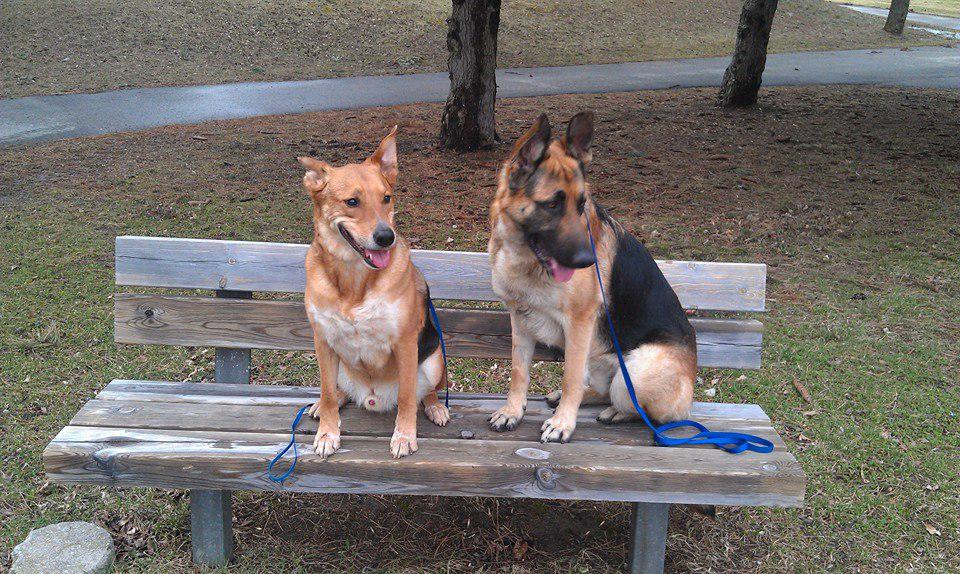
Dog training does not always need to be a formal 30-minute session every day.
One of the first things I tell clients is that they do not necessarily need to set aside a specific block of time for training. What they do need to do is start incorporating training exercises into everyday life.
These easy dog training tips can help you build better behaviour, better manners, and better habits without feeling like training is one more thing on your to-do list.
Easy Dog Training Tips for Everyday Life
Many people fail at training their dog because they feel like they do not have time to train every day.
But training does not have to be separate from your normal routine. In fact, real-life training is often more useful than teaching your dog a set of tricks just for a cookie.
There are opportunities to train your dog throughout the day. If you move away from the idea that you must train for 30 minutes every day and instead make training part of your lifestyle, life can become easier for everyone in your home.
Make Dog Training a Lifestyle
Dogs are creatures of habit. If you build good behaviours into your dog’s daily routine, those behaviours can naturally become habits.
Instead of only practicing commands during formal training sessions, start asking your dog for useful behaviours during normal daily activities.
This helps your dog understand that training applies everywhere, not just during “training time.”
How to Train Your Dog Without Feeling Like You Are Training
Here are a few simple ways to start incorporating training into your everyday life.
1. Practice Down Stay During Dinner
Have your dog hold a down stay outside of the kitchen while you prepare and eat dinner.
This can help prevent begging, reduce excitement around food, and stop your dog from getting underfoot while you are cooking.
It also teaches your dog how to relax while normal household activity is happening.
2. Add Sits During Your Walk
During your walk, stop occasionally and ask your dog to sit.
This helps build the automatic sit, so over time your dog learns to sit when you stop. It also creates more structure during the walk and improves focus.
3. Practice Sit-Stays on Walks
Once your dog understands sit, begin adding short sit-stays during your walk.
This allows your dog to practice staying in position around real-life distractions while still safely on leash.
Start in easier environments and gradually increase the challenge as your dog improves.
4. Teach Your Dog to Wait at Doors
Ask your dog to wait before being released to go outside.
This simple habit can reduce the risk of your dog running out the front door and helps teach impulse control, respect for space, and better doorway manners.
Doorway training is one of those small lifestyle changes that can make a big difference in safety and behaviour.
Small Lifestyle Changes Can Create Big Results
Simple changes like these can create noticeable improvements in your dog’s behaviour.
When training becomes part of everyday life, your dog gets more practice, more clarity, and more consistency. You do not need to wait for a perfect training session. You can train during meals, walks, doorways, playtime, and daily routines.
Need Help Building Better Daily Training Habits?
If you are struggling with your dog’s behaviour or are unsure how to apply training in real life, structured support can help.
Our dog training programs can help you choose the right training option for your dog’s needs.
For dogs who need one-on-one help with manners, leash walking, impulse control, or behaviour concerns, our Private Training programs may be the best fit.
If your dog is ready to learn around other dogs and people, our Group Classes can help build focus and obedience in a structured environment.
For dogs who need more mental and physical outlets, Agility and Scent Detection can provide fun ways to build confidence and engagement.
If your dog needs structured activity during the day, our Day Camp may also be a helpful option.
Final Thoughts
Training your dog does not have to feel complicated or time-consuming.
By adding small training exercises into your daily routine, you can build better habits without setting aside a huge amount of extra time.
Practice down stays during dinner, sits during walks, sit-stays around distractions, and waiting at doors. These simple exercises can create big changes in your dog’s manners and behaviour.
Contact us today if you would like help creating a practical training plan that fits your everyday life.
Happy Training!
Katherine
FAQ:
What are easy dog training tips I can use every day?
Simple daily training tips include asking your dog to wait at doors, practicing sits during walks, using down stay during meals, and adding short obedience exercises into your normal routine.
Do I need to train my dog for 30 minutes every day?
Not necessarily. Short training moments throughout the day can be very effective when they are consistent and built into everyday life.
How can I stop my dog from begging during dinner?
Teach your dog to hold a down stay outside of the kitchen or dining area while you prepare and eat dinner. This helps create calm behaviour around food.
Why should my dog wait before going outside?
Waiting at doors teaches impulse control and can help prevent door rushing. It also teaches your dog to respect space and wait for permission.
Can private training help with everyday dog manners?
Yes. Private training can help you build a realistic training plan for manners, leash walking, impulse control, household structure, and behaviour concerns.