
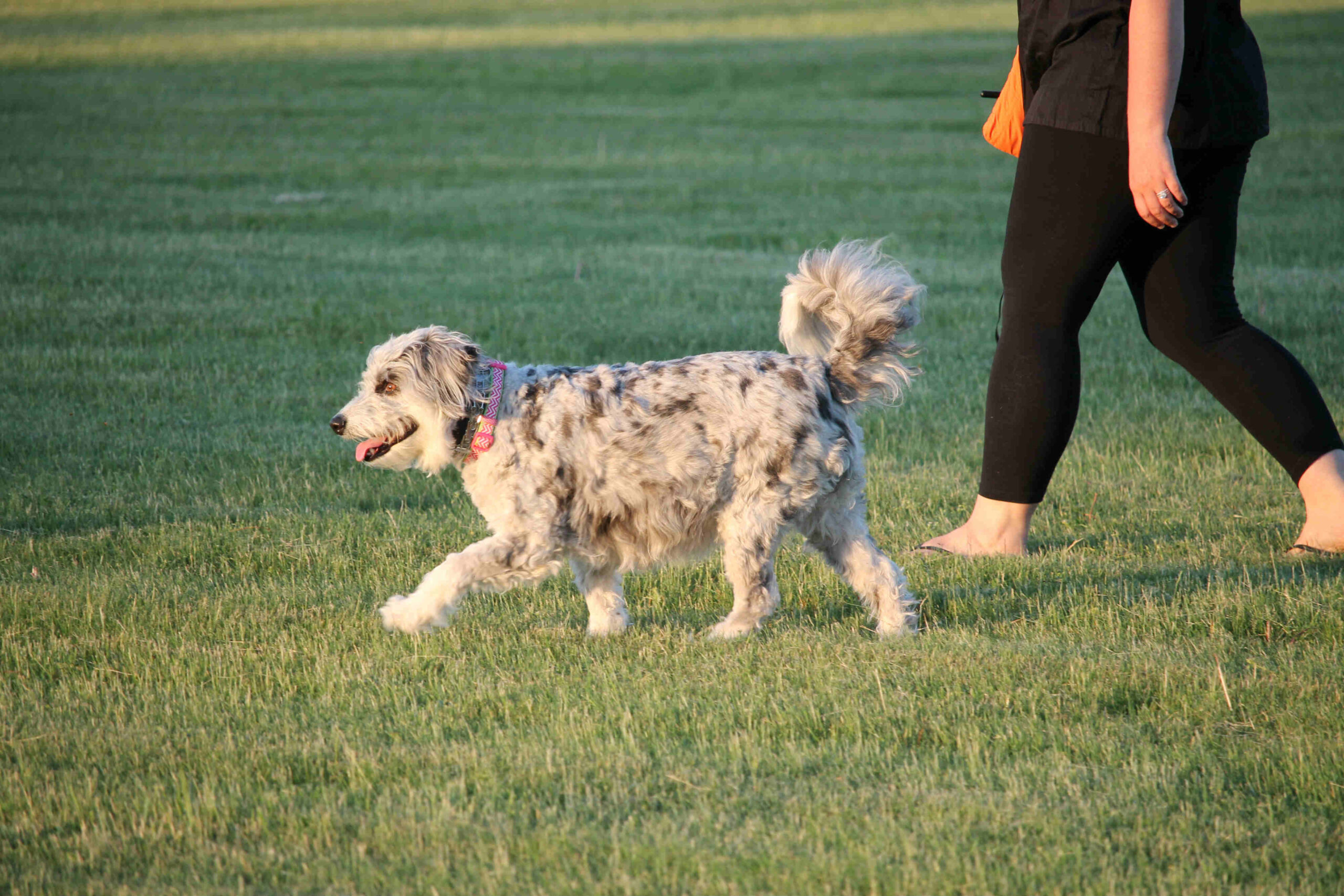
Why obedience is not the answer to your problems
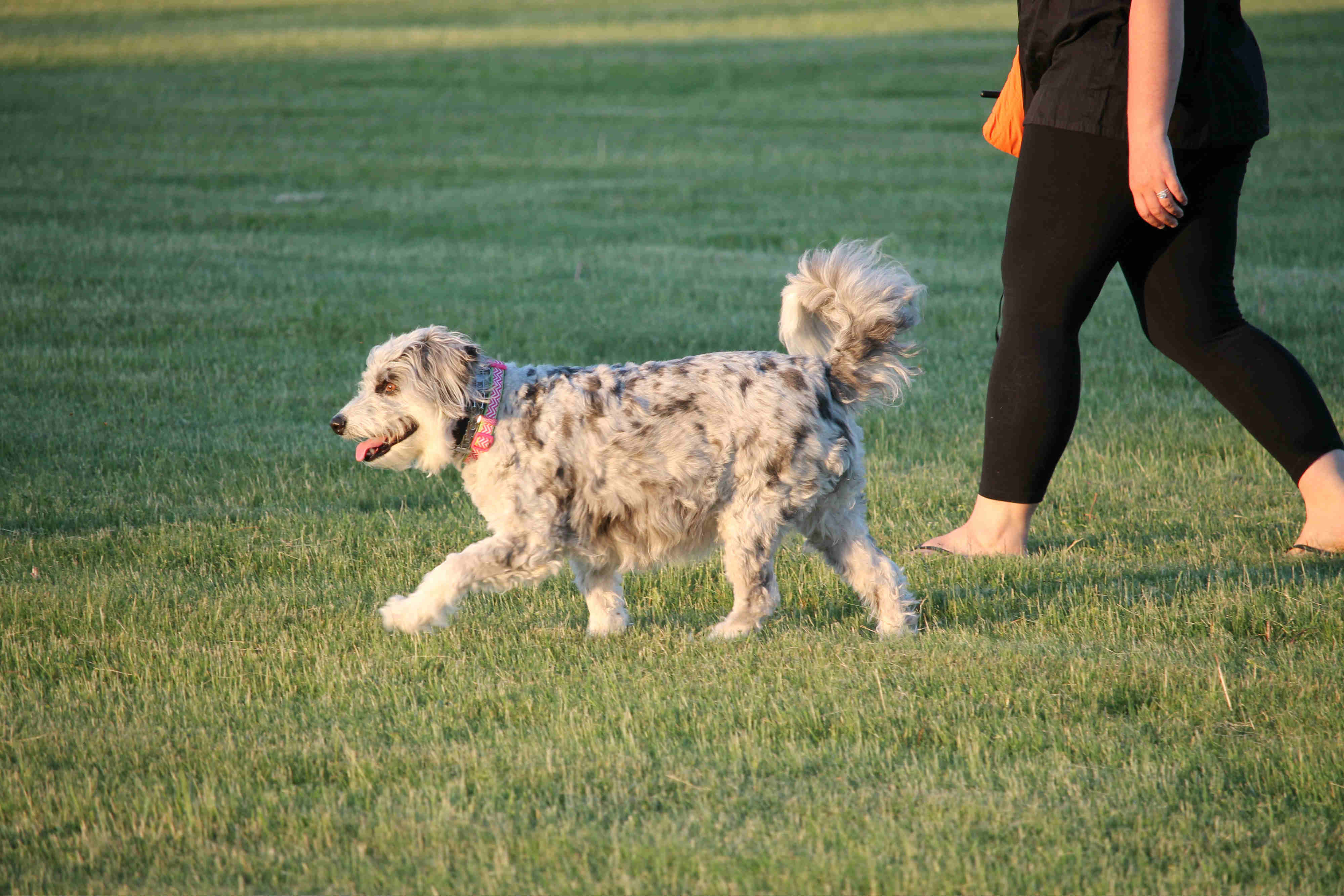
Is Obedience Training Enough for Your Dog?
Obedience is one of the most common focuses in dog training. Sit, stay, down—many owners believe that if their dog listens well enough, most problems will disappear.
But here’s the reality: obedience alone is not the solution to most behaviour issues.
Dogs are not robots. They are sentient beings with emotions, experiences, and reactions. If we focus only on control, we often ignore how the dog actually feels in a situation.
Why Obedience Alone Isn’t Enough
1. Obedience Does Not Change Emotions
Take a leash-reactive dog driven by fear. You may ask for eye contact or a “sit” when another dog passes. The dog may comply—but internally, nothing has changed.
The dog is still anxious or afraid. You’ve simply redirected the behaviour, not addressed the emotion behind it.
This is often called teaching an “incompatible behaviour”—asking the dog to do something else so it cannot perform the unwanted behaviour. While useful for management, it does not solve the root issue.
2. Control Should Not Be the Only Goal
There’s nothing wrong with teaching commands like sit or down. The real question is: why does the dog need to perform them?
Commands should serve a purpose—safety, clarity, or communication—not just control for the sake of control.
For example, cues like “come” or “wait” can be life-saving. But requiring obedience in every situation without purpose can create unnecessary pressure and confusion.
3. Obedience Can Replace Choice With Compliance
When dogs rely entirely on commands, they may struggle to make good decisions on their own. If a dog only behaves when told what to do, what happens when guidance isn’t there?
True training should help dogs develop the ability to remain calm, make better choices, and adapt to situations without constant direction.
Otherwise, we risk micromanaging behaviour instead of actually teaching it.
What Matters More Than Obedience
Instead of focusing only on obedience, effective training should include:
- Building a strong relationship with your dog
- Improving emotional responses to triggers
- Encouraging calm and neutral behaviour
- Reinforcing good choices, not just commands
Obedience still has its place—but it should support training, not define it.
The goal isn’t to control your dog—it’s to guide them. When we shift our focus from obedience alone to understanding behaviour and emotion, we create dogs that are not just compliant, but confident and balanced.
In the end, better behaviour comes from better understanding—not just better commands.

 “Katherine at The Crunchy Canine is great! She understands that every dog is different and not all dogs are cuddly balls of fur. Our rescue dog, Lexi, responded to her very well (she isn’t the most accepting of new people/other dogs in certain situations) and we were given the tools/instructions that suit her personality and needs.”