Oct 8, 2018 | Puppy Training
Is Dog Daycare Right for Your Dog? Benefits, Risks & Common Myths
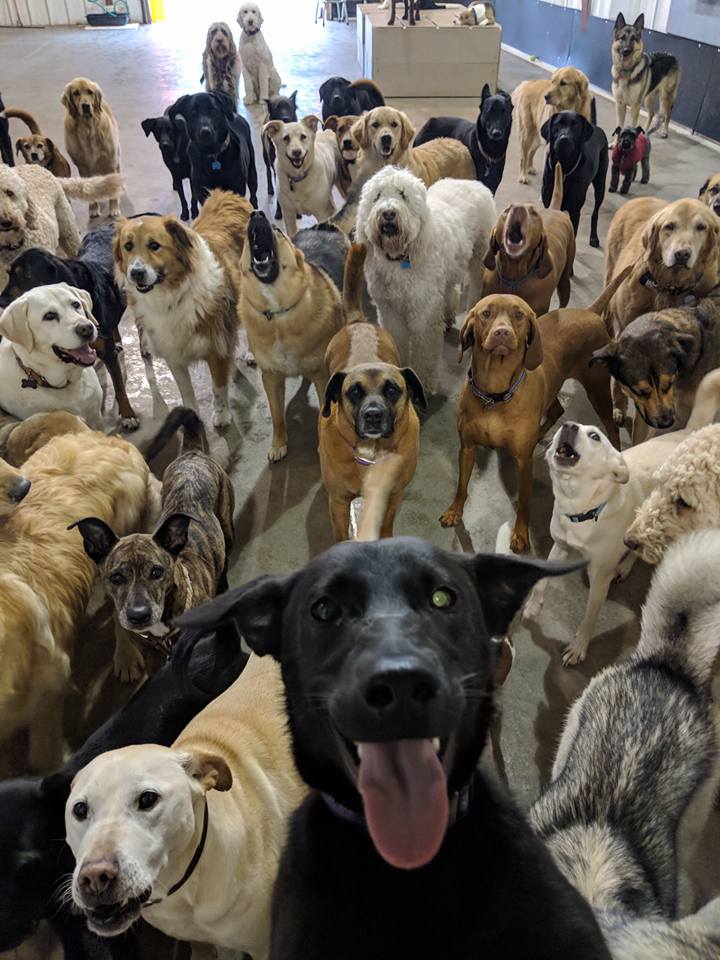
Dog daycares are becoming more popular than ever. From high-end facilities to backyard setups, they seem to be everywhere. At first glance, sending your dog somewhere to run and play all day sounds like a great idea.
But is dog daycare actually the right choice for every dog? Not necessarily.
While some dogs thrive in daycare environments, others may become overwhelmed, overstimulated, or even develop behavioural issues if the environment isn’t right.
Common Myths About Dog Daycare
Myth #1: Daycare Will Make My Dog More Social
Many owners believe that sending their dog to daycare will improve socialization. In some cases, it can—but it’s not guaranteed.
Dogs that are shy, nervous, or selective with other dogs may become overwhelmed in large group settings. Instead of becoming more social, they may become stressed, defensive, or reactive.
Proper socialization is about controlled, positive experiences—not constant exposure.
A well-run daycare with trained staff can help manage this, but poorly managed environments can make things worse.
Myth #2: High-Energy Dogs Need All-Day Play
Exercise is important—but constant stimulation is not always healthy.
Many daycares allow dogs to play all day without structured rest. This can lead to overstimulation, increased adrenaline, and difficulty settling down.
Some dogs come home exhausted, but others return just as hyper—or even more so—because they’ve built endurance and stayed in a heightened state all day.
A good daycare should include structured downtime and know how to manage arousal levels.
Myth #3: Daycare Will Fix Behaviour Problems
Daycare is not a substitute for training.
Unless your dog is enrolled in a structured training program (such as a day school with a professional trainer), they are unlikely to learn better behaviour.
In fact, unwanted behaviours like jumping or barking can sometimes get worse if they are unintentionally reinforced in a group environment.
So, Is Dog Daycare a Good Idea?
It depends on your dog and the quality of the daycare.
Some dogs benefit from daycare—especially those who are social, confident, and enjoy group play.
However, not all dogs are suited for this type of environment, and not all daycares provide the structure and supervision needed.
What to Look for in a Good Dog Daycare
- Staff trained in dog behaviour and body language
- Structured play and rest periods
- Controlled group sizes
- Calm environment, not constant chaos
- Clear safety and management protocols=
Dog daycare is not inherently good or bad—it’s highly dependent on the individual dog and the environment.
Before enrolling your dog, take the time to research, observe, and evaluate whether it truly benefits your dog’s well-being.
In some cases, the wrong daycare can undo training progress rather than support it—so choose carefully.
Dogs Reformed
How to Fix Leash Reactivity
Aug 30, 2018 | TESTIMONIALS
If you want to have someone train your dog this is where you go. Katherine does an amazing job not only with your dog BUT more importantly with you as the owner. We can’t say enough good things about The Crunchy Canine. As our puppy turned into a dog he / we developed some bad habits and how Katherine was immediately there for us to assist in resolving these bad habits well after the training just showed us that Katherine cares about you and your dog being happy and not just collecting money for useless training. Thank you to The Crunchy Canine and our instructor Katherine for making our life so much happier with our pup and for caring about him as much as we do.
Ryan with Vedder in Binbrook

Aug 14, 2018 | Puppy Training
Stop Unwanted Dog Behaviour: Why “Just Don’t Let Them” Works
“Just don’t let your dog do that.”
It sounds overly simple—and that’s exactly why many people overlook it. But in many cases, this approach is one of the most effective ways to stop unwanted dog behaviour.
Why Dogs Keep Repeating Bad Behaviour
Dogs repeat behaviours that they practice regularly. If a behaviour works—or simply becomes a habit—it will continue.
Whether it’s barking at the window, jumping on guests, or counter surfing, every repetition strengthens the behaviour.
This is why stopping the behaviour at the source is so powerful.
Prevention: The Key to Better Behaviour
When working with puppies, the goal is simple: never allow unwanted behaviours to become habits in the first place.
If a puppy never rehearses behaviours like barking, chasing, or jumping, those behaviours are far less likely to develop into long-term problems.
The same principle applies to adult dogs—if you stop the behaviour from happening consistently, it will gradually lose strength.
How to Stop Your Dog From Practicing Bad Behaviour
This is where management comes in.
Management means controlling your dog’s environment so they don’t have the opportunity to rehearse unwanted behaviours.
Examples of Simple Management
- Barking at the window: Keep your dog on leash or block access to the window when unsupervised
- Begging at the table: Do not feed from the table and guide your dog to a designated place
- Jumping on people: Use a leash to prevent jumping before it happens
By consistently preventing the behaviour, you break the cycle of repetition.
Does This Always Work?
In many cases, reducing or eliminating practice can significantly improve behaviour.
However, some behaviours—especially those driven by fear, anxiety, or high arousal—may require additional training beyond management.
Management stops the behaviour from getting worse. Training changes the underlying cause.
Sometimes, improving your dog’s behaviour really does start with something simple: don’t let them practice what you don’t want.
By combining smart management with consistent training, you can create lasting changes and prevent unwanted habits from taking hold.
Book a Consultation
How to Fix Leash Reactivity
Aug 12, 2018 | Puppy Training
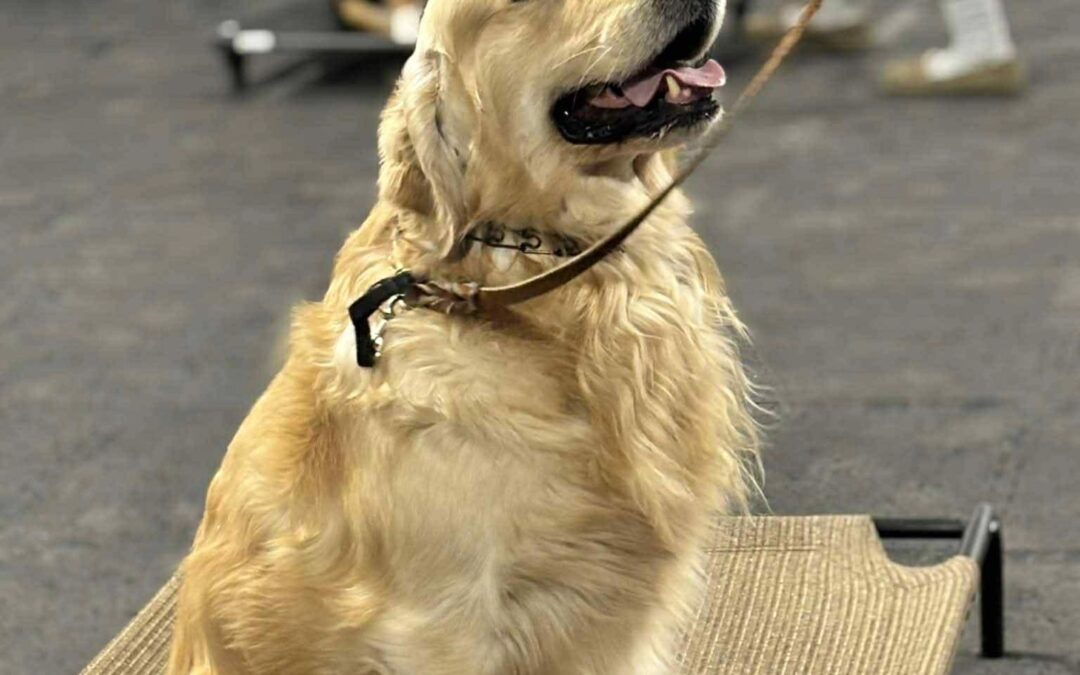
What is Leadership in Dog Training? How to Be the Leader Your Dog Needs
What does leadership mean to you? The term has recently been misunderstood by some, particularly the “purely positive” crowd, as something that involves harsh discipline and dominance. However, if you look up the definition of leadership, you’ll find something quite different:
lead·er·ship
ˈlēdərˌSHip/
noun
The action of leading a group of people or an organization.
| synonyms: | guidance, direction, control, management, supervision |
Nowhere in that definition does it mention dominance or harsh discipline. These terms can certainly be part of leadership, but they don’t need to carry negative connotations. Leadership is about guiding and supporting, not controlling through force.
Leadership and Your Dog: What It Really Means
How does being a leader translate into your relationship with your dog? The answer is simple: be someone your dog can look up to and follow. Let’s break it down:
1. Give Your Dog Guidance
Your dog is an animal—a predatory animal, in fact—and he’s not born knowing how to behave in our human world. As a leader, your role is to show your dog how to navigate this world as a pet. Teach him what’s acceptable and what isn’t.
2. Provide Clear Direction
Teaching your dog right from wrong is a key part of leadership. Communication is essential here. Tell your dog when he’s doing something right, and when he’s doing something wrong. This doesn’t necessarily mean physical corrections; simply disagreeing with unwanted behaviour can be enough to redirect your dog.
3. Control and Manage Your Dog
Put your dog on a leash until he can be trusted off-leash, and crate train him until he no longer needs it. You don’t need to control every aspect of your dog’s life, but control and management are necessary to prevent unwanted behaviours from being rehearsed.
4. Supervise Your Dog
Supervision means being present to guide, direct, control, and manage your dog. If you can’t supervise your dog, crate him. When your dog is unsupervised, he’s left to make his own decisions, and with young dogs, this often leads to choices we don’t want.
What Makes a Good Leader?
Being calm, clear, and confident are essential qualities of a good leader. If you’re struggling with your dog’s behaviour, take a step back and honestly evaluate whether you’re providing your dog with the guidance, direction, control, and supervision they need.
If you need help becoming the leader your dog needs, we can help! Contact us today.
Aug 12, 2018 | Puppy Training
6 Tips for Teaching a Reliable Recall to Your Dog
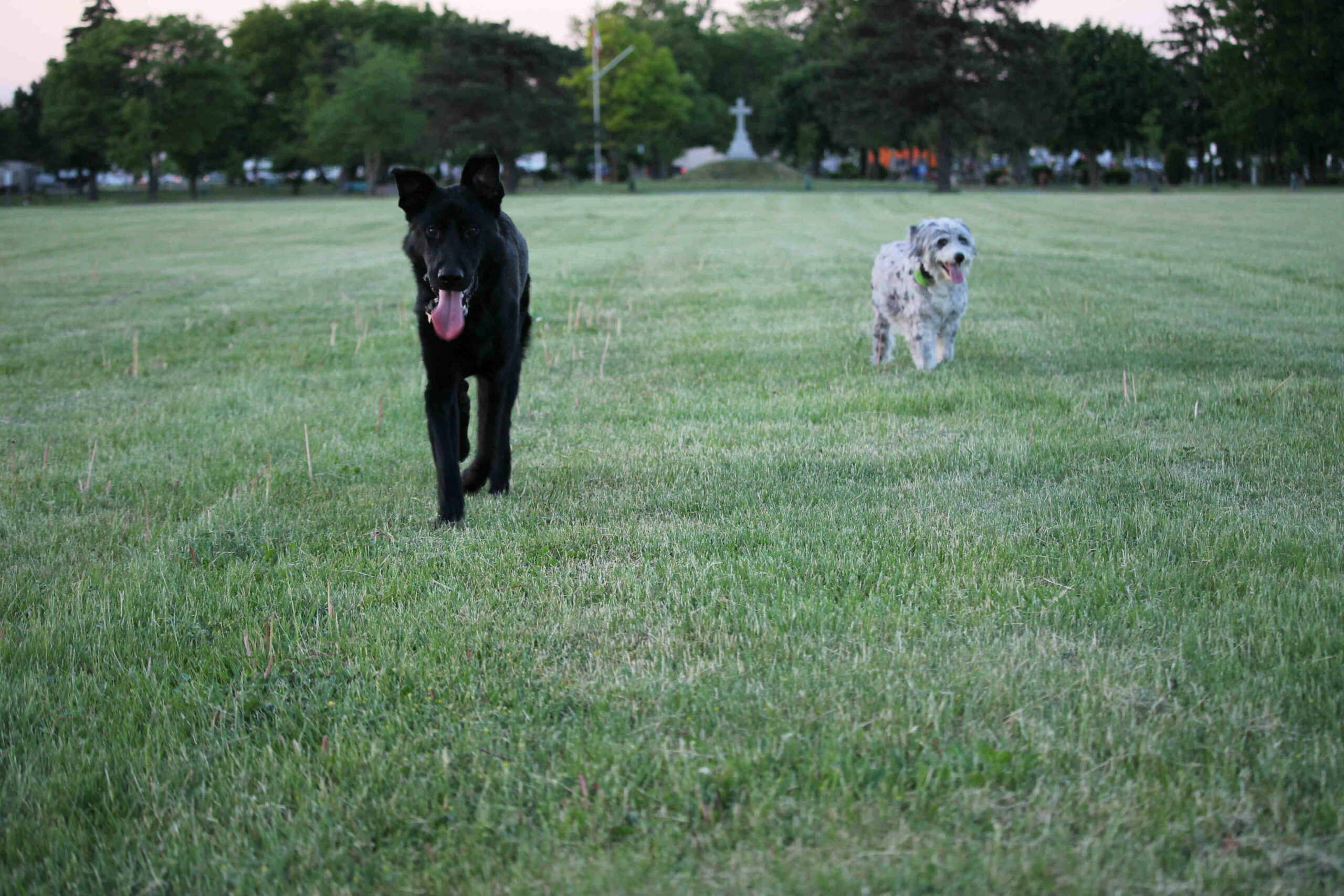
A reliable recall, also known as “coming when called,” is one of the most important skills your dog can learn. Whether you are hiking, visiting a park, or simply spending time outdoors, having your dog respond immediately to the recall command can keep them safe and give you peace of mind.
Many dog owners accidentally weaken their recall command without realizing it. The good news is that with consistency, proper timing, and structured practice, you can teach your dog to come when called reliably in many different environments.
1. Teach Your Dog What “Come” Actually Means
Your dog will not automatically understand the word “come.” Start by attaching a leash, saying the command once, and gently guiding your dog toward you. The moment your dog reaches you, reward them with praise, treats, or play.
Practice this exercise repeatedly in different environments while your dog is still on leash. Consistent repetition helps build a strong association between the command and the desired behaviour.
2. Avoid Overusing the Recall Command
One of the biggest mistakes dog owners make is using the word “come” too often in casual situations. If your dog hears the command constantly, they may begin to ignore it.
For example, if your dog is sniffing during a walk and you simply want to continue moving, use a casual phrase like “let’s go” instead of your formal recall command. Save “come” for situations where you expect immediate compliance.
3. Never Chase Your Dog
Chasing your dog can quickly turn recall training into a game. Instead, only use the recall command when you can enforce it safely and successfully.
Until your dog has a dependable recall, continue practicing on a leash or long line. This prevents your dog from learning that ignoring you is an option.
4. Say the Command Once
Repeating “come, come, come” teaches your dog that the first command is optional. Instead, say the command clearly one time and follow through by guiding your dog toward you if necessary.
Consistency is key when building a reliable recall response.
5. Only Use Recall When You Can Reinforce It
If your dog is not fully reliable yet, avoid using the recall command in highly distracting environments where you cannot enforce it. For example, calling your dog repeatedly at a busy dog park without success can weaken the meaning of the command.
Set your dog up for success by practicing gradually in controlled environments before progressing to more challenging situations.
6. Never Punish Your Dog for Coming to You
Your dog should always associate coming to you with positive outcomes. Even if your dog responds slowly, avoid scolding or punishing them once they arrive.
Corrections may be used fairly during the training process for non-compliance, but once your dog reaches you, the experience should end positively with praise or rewards.
Book a Consultation
Why Recall Training Matters
A strong recall can help protect your dog from dangerous situations, improve off-leash reliability, and strengthen your relationship with your pet. Like all dog training skills, recall requires patience, consistency, and ongoing practice.
If you want a dog that can be trusted off leash in different environments, professional training can make the process faster and more effective.
Work With Professional Dog Trainers
At The Crunchy Canine, we help dog owners build reliable obedience skills through structured, balanced training programs. Whether you are working with a new puppy or an older dog, we can help improve recall, leash manners, and overall obedience.
Contact us today to learn more about our dog training programs.
Why obedience is not the answer to your problems