Jun 18, 2024 | Puppy Training
As dog owners, we often focus on obedience training and daily walks. But one important question we rarely ask is: are we doing enough to be better dog owners?
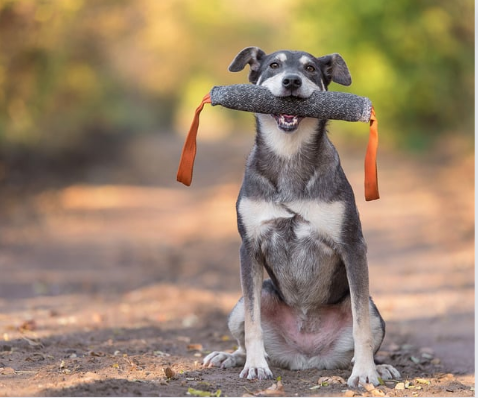
One of the simplest ways to improve your dog’s life is by making play a daily habit. Understanding the importance of play for dogs can completely change your pet’s health and behavior.
1. Physical Exercise Keeps Your Dog Fit
Play keeps dogs active and helps prevent obesity and related health issues. Activities like fetch, tug-of-war, or running improve strength, endurance, and overall fitness.
2. Mental Stimulation Prevents Boredom
Play challenges your dog’s brain and keeps them mentally engaged. Without enough stimulation, dogs can become bored and develop destructive behaviors like chewing or excessive barking.
3. Socialization Builds Better Behavior
Playing with other dogs and humans helps your dog learn social cues and proper behavior. It improves confidence and helps them feel comfortable in different environments.
4. Reduces Stress and Anxiety
Play acts as a natural stress reliever. It helps release excess energy and reduces anxiety, especially for dogs that spend a lot of time indoors.
5. Strengthens the Bond With Your Dog
Spending time playing together builds trust and strengthens your relationship. Dogs that regularly play with their owners are more responsive and emotionally connected.
6. Improves Overall Behaviour
A dog that gets enough playtime is calmer and more balanced. Regular play reduces unwanted behaviors and promotes a well-behaved temperament.
Play is not just entertainment—it’s essential for your dog’s overall well-being. By adding play to your daily routine, you improve your dog’s physical health, mental stimulation, and behavior while building a stronger bond.
Make time to play with your dog every day—it’s one of the easiest ways to raise a happy, healthy pet.
What breed is best for a family with kids?
Dec 17, 2023 | TESTIMONIALS
“I highly recommend Katherine and her team at The Crunchy Canine. Training is tactful and effective, for both humans and doggies. Big bonus if you can also tap into puppy socialization.
As a first-time dog owner, I gained confidence in how to handle all sorts of dog situations, and can take Benji with me to many places now. He walks beside me nicely, doesn’t snarl at other dogs across the street and has even grown to like the cat.
All through the guidance and education from The Crunchy Canine. Thank you.”
Karen with Benji in Hamilton, Ontario
Dec 17, 2023 | TESTIMONIALS
“Amazing trainers! We completed the advanced off leash program with Katherine for our young GSD. The knowledge, guidance and support is second to none. Our boy now attends the awesome day camp every Wednesday as well. We have a dog we can go out with and enjoy living with because of the support we received and all we have learned. Highly recommend their services.”

Stephanie with Logan in Waterford, Ontario
Jan 17, 2022 | Puppy Training
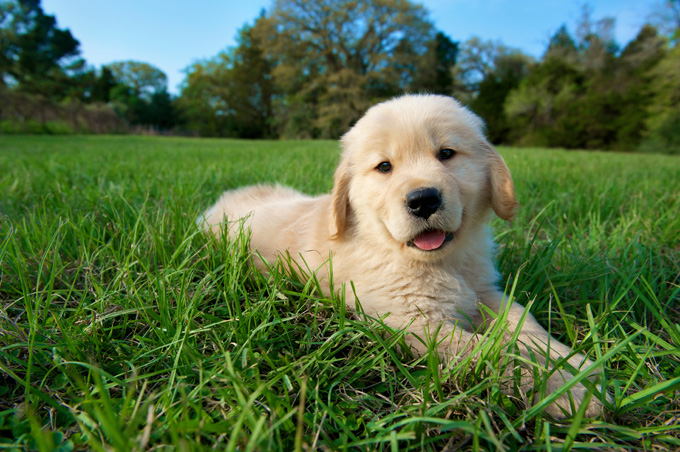
If you’re thinking about adding a dog to your family, choosing the right breed is one of the most important decisions you’ll make.
Many people select a dog based on appearance or because they once met a friendly dog of that breed. However, every breed has unique traits, energy levels, and instincts that can significantly impact family life.
The best family dogs for kids are typically friendly, adaptable, trainable, and comfortable around new people and everyday activity.
Before bringing home a puppy, take time to consider your family’s lifestyle, activity level, and experience with dogs.
Golden retriever puppy lying down on grass
What Makes a Great Family Dog?
While every dog is an individual, certain breed characteristics can make family life easier.
Look for dogs that are:
- Friendly and social with people
- Patient with children
- Adaptable to busy households
- Eager to learn and easy to train
- Comfortable with visitors and new experiences
It’s also important to choose a breed whose exercise and grooming needs match your family’s routine.
Best Dogs for Active Families With Young Children
If your family enjoys outdoor activities, regular walks, and weekend adventures, these breeds can be excellent companions.
- Labrador Retriever: Friendly, outgoing, and eager to please. Labs typically thrive in active households and enjoy spending time with children.
- Beagle: Curious, social, and full of personality. Beagles love being part of family activities and generally enjoy meeting new people.
- Golden Retriever: Gentle, intelligent, and highly trainable. Goldens are a popular choice for families who can meet their exercise needs.
Remember that even family-friendly breeds need early socialization, training, and daily physical activity.
Best Dogs for Less Active Families
If your family prefers a quieter lifestyle, consider breeds with lower exercise requirements.
- Havanese: Affectionate, adaptable, and typically happy to spend time close to their family.
- Cavalier King Charles Spaniel: Friendly and easygoing, these small dogs often fit well into relaxed households.
- Show-line Labrador Retriever: Some show-bred lines may have lower energy levels than working lines.
- English Mastiff: Gentle giants that generally enjoy calm family environments.
- Leonberger: Large, affectionate dogs that thrive with families who can provide space and training.
Even lower-energy dogs still require daily walks, mental enrichment, and regular training.
Thinking About a Doodle?
Doodle mixes have become increasingly popular, but it’s important to understand that mixed breeds can inherit traits from either parent breed.
Energy level, grooming needs, temperament, and trainability can vary significantly.
If you like the low-shedding coat and appearance often associated with doodles, you may also want to consider:
- Portuguese Water Dog
- Barbet
- Standard Poodle
- Soft-coated Wheaten Terrier
If you’re considering a doodle mix, research breeders carefully and ask questions about health testing, temperament, and socialization practices.
Book a Consultation
Should You Choose a Dog for Protection?
Many families assume they need a protective breed when they have young children. However, most families are better served by choosing a well-socialized, family-friendly dog rather than selecting a breed specifically for protection.
Breeds such as the German Shepherd, Rottweiler, and Cane Corso can be wonderful companions in experienced homes, but they often require extensive training, socialization, and a clear understanding of breed-specific traits.
Before choosing any breed, consider your experience level, available time, and willingness to invest in ongoing training.
Our Top Family Dog Recommendations
If you’re looking for a great family companion, these breeds consistently stand out:
- Labrador Retriever
- Beagle
- Golden Retriever
- Havanese
- Cavalier King Charles Spaniel
- English Mastiff
- Leonberger
The best family dog is the one whose temperament, exercise needs, and personality fit your family’s lifestyle.
Take your time, do your research, and choose a responsible breeder or rescue organization that prioritizes health and temperament.
The right match can bring years of companionship, adventure, and unforgettable memories.
Happy training!
Oct 27, 2020 | Puppy Training
Leash reactivity…what is it? Does your dog have it? Is it aggression?
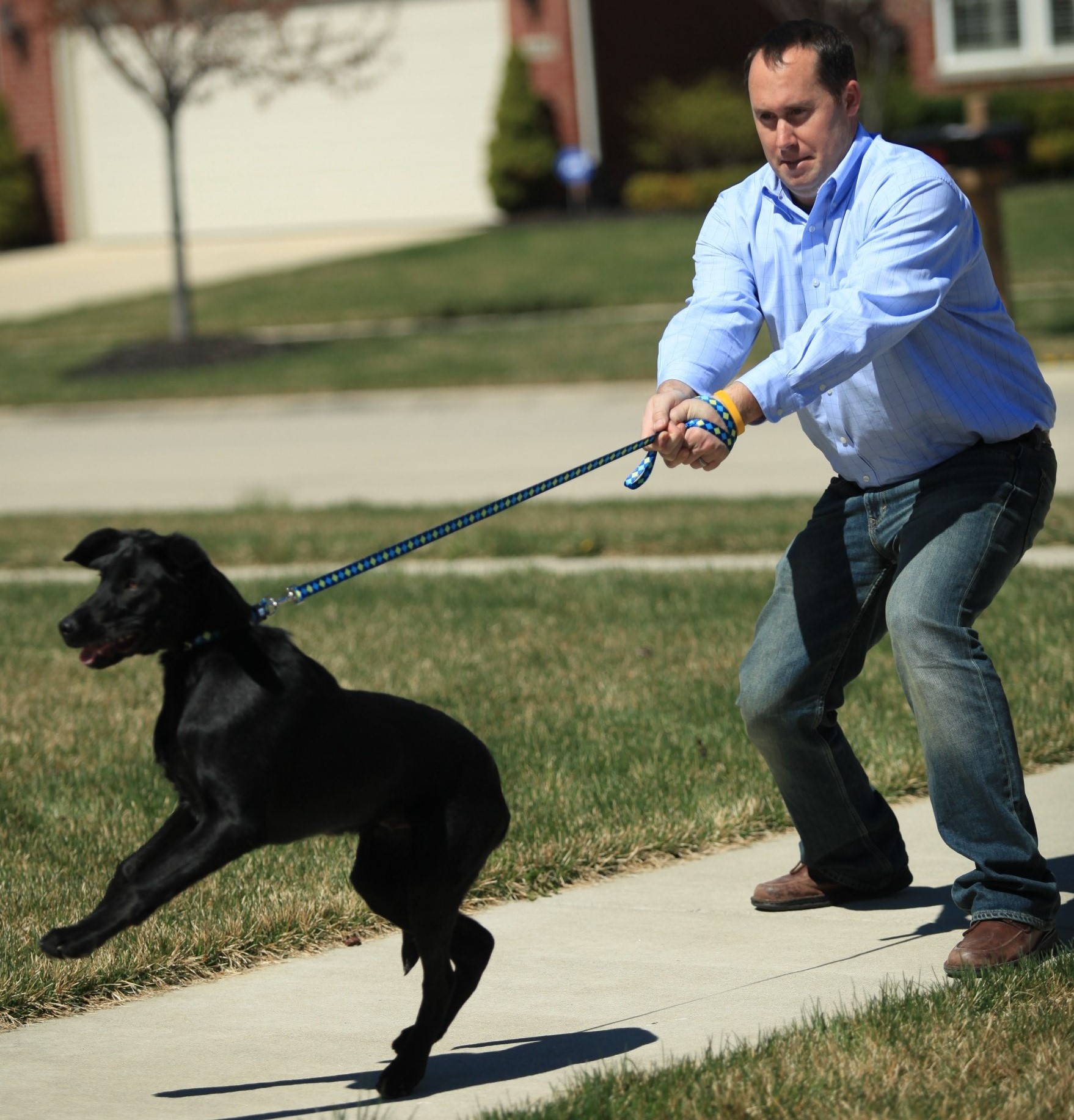
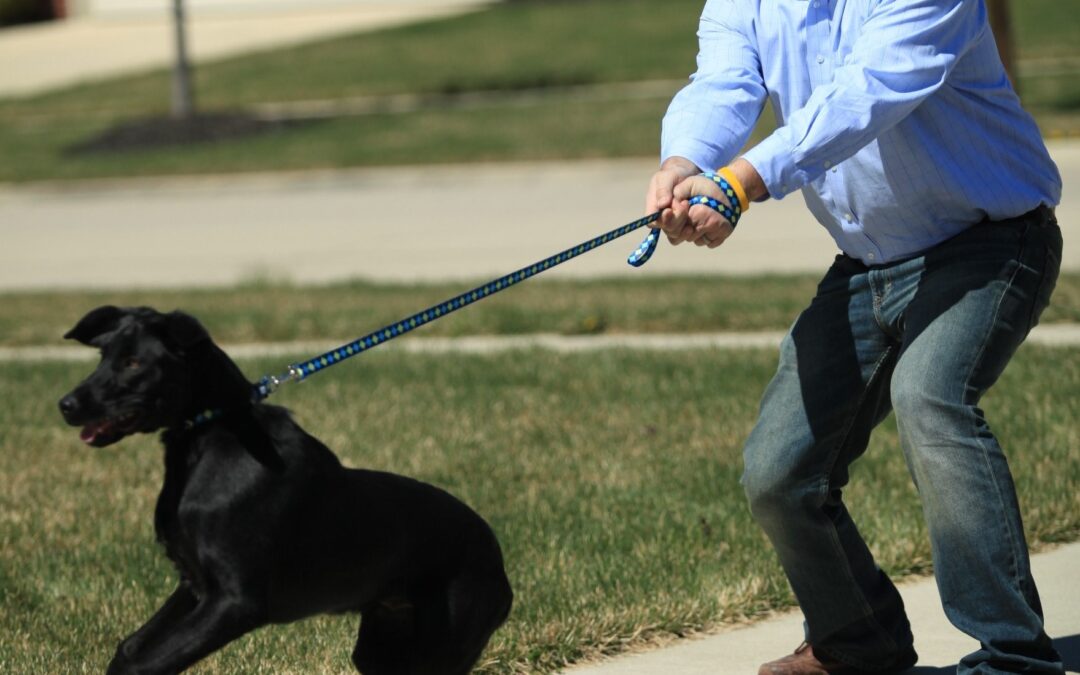
Leash reactivity is one of the most common challenges dog owners face. If your dog barks, lunges, or overreacts on walks, the good news is that this behaviour can be improved with the right training approach.
What Is Leash Reactivity?
Leash reactivity happens when a dog reacts to triggers—such as other dogs, people, or noises—while on a leash. Reactions can range from mild signs like stiff posture to intense behaviours like barking and lunging.
Importantly, leash reactivity does not always mean aggression. Many reactive dogs are simply excited, frustrated, or fearful.
Why Dogs Become Leash Reactive
1. Overexcitement
Some dogs become reactive because they are overly friendly and want to greet every dog they see. This is common in dogs that frequently visit dog parks or daycare.
2. Barrier Frustration
The leash acts as a barrier. When dogs cannot reach what they want, frustration builds and leads to reactive behaviour.
3. Fear-Based Reactivity
Fearful dogs may react aggressively to make a perceived threat go away. This often comes from past negative experiences or lack of socialization.
4. True Aggression
True aggression is rare but more serious. These cases often require long-term management and professional guidance.
How to Fix Leash Reactivity
Regardless of the cause, most successful training plans follow the same core principles:
1. Manage Distance (Threshold Training)
Work at a distance where your dog can stay calm. If your dog reacts at 35 feet, start training at 40 feet where they can still focus and learn.
If your dog is already barking or lunging, they are over threshold and cannot learn effectively.
2. Use Movement to Reduce Pressure
Keeping your dog moving helps prevent tension buildup. Standing still often increases frustration, while controlled movement keeps your dog more relaxed and focused.
3. Focus on Neutral Behaviour
The goal is not to force your dog to ignore everything, but to remain neutral. A healthy response is noticing a trigger briefly, then disengaging and moving on.
4. Use Timely Corrections (When Needed)
Corrections should be fair, well-timed, and used carefully. They are most effective before the dog escalates, not after.
However, relying only on corrections is rarely effective. Training should always include guidance and positive reinforcement.
5. Reward Good Choices
Reward your dog for calm behaviour, even small improvements. If your dog chooses to look away from a trigger or stay relaxed, reinforce that behaviour immediately.
You can also use simple cues like calmly naming what your dog sees (e.g., “that’s a car”) and rewarding calm responses.
6. Practice with Repetition
Consistency is key. Leash reactivity does not improve overnight, and regular practice is essential.
Set up controlled training sessions and gradually expose your dog to triggers while maintaining calm behaviour.
Fixing leash reactivity takes time, patience, and consistency. By managing distance, rewarding calm behaviour, and practicing regularly, you can help your dog become more relaxed and confident on walks.
The goal is not perfection—but steady progress toward a calm, neutral response in everyday situations.
What was your dog bred to do?