Dec 10, 2015 | Puppy Training
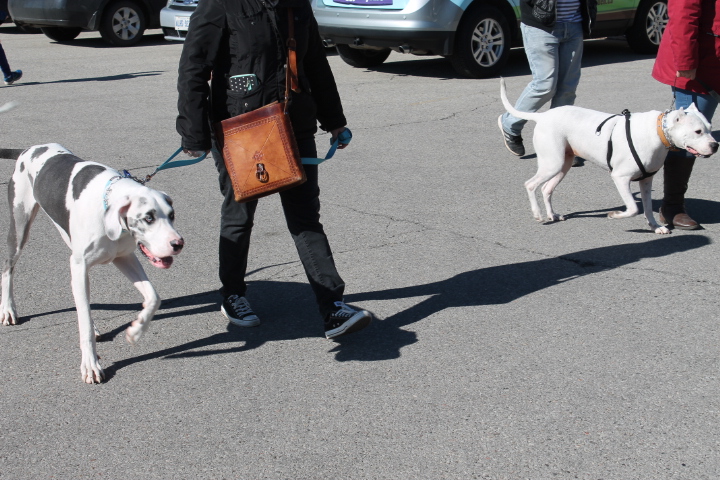
Reactivity while on leash is incredibly common.
Many dog owners struggle with dogs who bark, lunge, pull, growl, or become overly excited when they see another dog on a walk. There are many factors that can contribute to leash reactivity, but most owners have the same goal: they want to walk their dog calmly without having to avoid every dog they see.
That is where reactive dog training can help.
Dog Training the Reactive Dog
A reactive dog is not always an aggressive dog. Some dogs react because they are fearful, frustrated, overexcited, under-socialized, or unsure what to do when they see another dog.
Whatever the reason, the behaviour can make walks stressful for both the dog and the owner.
The goal of training is to help the dog stay calmer, listen better, and learn how to move through the world without exploding at every trigger.
Why Dogs Become Reactive on Leash
Leash reactivity can happen for many reasons. Some dogs feel trapped when they are on leash because they cannot move away naturally. Others become frustrated because they want to get to the other dog. Some dogs have had bad experiences and now feel defensive around dogs.
Common causes of leash reactivity may include:
- Fear or insecurity
- Frustration
- Overexcitement
- Lack of structure on walks
- Poor leash manners
- Negative past experiences
- Lack of confidence
- Not knowing how to behave around other dogs
Understanding why the dog is reacting can help guide the training plan.
What Reactive Dog Training Looks Like
Reactive dog training is not about simply forcing a dog closer to other dogs and hoping they “get over it.” That approach can make the behaviour worse.
Good training focuses on creating structure, building confidence, improving communication, and helping the dog learn how to make better choices around triggers.
Depending on the dog, training may include:
- Improving leash handling
- Teaching focus around distractions
- Building calm behaviour at a safe distance
- Helping the dog move past triggers without exploding
- Teaching obedience around other dogs
- Creating clearer communication between dog and handler
Reactive Dogs Can Learn to Be Calm Around Other Dogs
The video below was taken during an adult group class at Temple of the Dog in Beamsville, Ontario.
Two of the dogs in the class were dog reactive, and one had shown some signs of dog aggression. After working through the issues with structure and training, the dogs were able to be calm and settled around each other.
This is the goal: calm, happy dogs who can exist around other dogs without constant stress or chaos.
Can a Reactive Dog Join Group Class?
Some reactive dogs can benefit from a structured group class, but not every reactive dog is ready for that environment right away.
Some dogs need one-on-one work first. Others may be ready to practice around other dogs with careful spacing, structure, and trainer guidance.
If your dog is reactive, it is important to choose the right training setup based on your dog’s current behaviour and comfort level.
Training Options for Reactive Dogs
If you are struggling with a reactive dog, professional support can help you understand what your dog needs and how to move forward safely.
Our dog training programs can help you choose the right option for your dog’s behaviour and goals.
For dogs who need one-on-one support with reactivity, leash manners, dog aggression concerns, confidence, or behaviour modification, our Private Training programs are often the best place to start.
If your dog is ready to work around other dogs and people in a structured setting, our Group Classes can help improve focus, obedience, and confidence around distractions.
For dogs who need additional mental and physical outlets, activities like Agility, Scent Detection, or structured Day Camp may also be helpful depending on the dog.
Book a Consultation
Leash reactivity is common, but that does not mean you have to avoid every dog forever.
With the right training plan, many reactive dogs can learn to stay calmer, listen better, and walk more peacefully around other dogs.
If your dog is reactive, do not wait until walks become more stressful. Get help, create a plan, and start building better habits one step at a time.
Contact us today if you need help with reactive dog training, leash manners, or behaviour support.
FAQ:
What is reactive dog training?
Reactive dog training helps dogs who bark, lunge, growl, pull, or overreact around triggers such as other dogs, people, bikes, or distractions. The goal is to build calmer behaviour and better communication.
Is a reactive dog the same as an aggressive dog?
No. A reactive dog is not always aggressive. Reactivity can come from fear, frustration, overexcitement, insecurity, or lack of training. However, any concerning behaviour should be handled carefully.
Can leash reactivity be fixed?
Many dogs can improve significantly with the right training, structure, consistency, and handling. Progress depends on the dog, the cause of the reactivity, and the owner’s follow-through.
Should my reactive dog join a group class?
Some reactive dogs can do well in a structured group class, but others need private training first. A trainer can help determine which option is safest and most effective.
How do I stop my dog reacting to other dogs on walks?
Start by creating distance, improving leash handling, teaching focus, and working at a level where your dog can still think and respond. Professional training can help create a safe and realistic plan.
Dec 4, 2015 | TESTIMONIALS
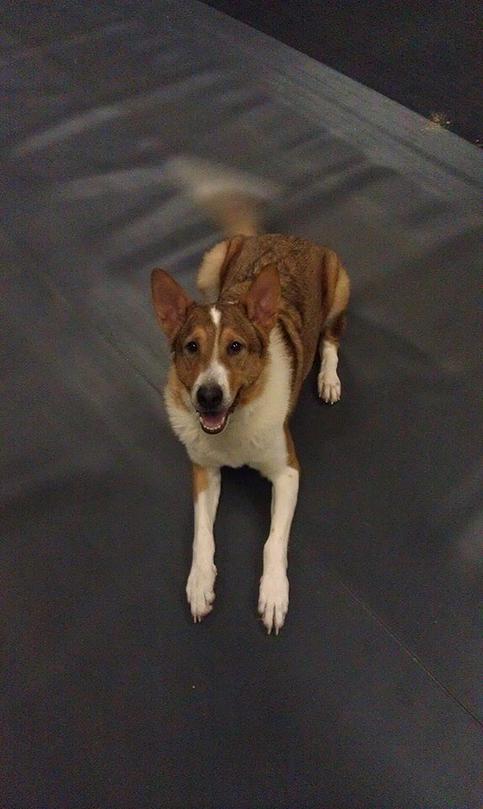 “I don’t know where we would be without Katherine! She has helped us endlessly with Cruz, who we rescued over a year ago and our other dog Rocky. They started fighting 6 months after we got Cruz and we didn’t know what to do. Katherine’s boot camp guidelines helped us change how we handle the dogs behaviour and in turn Rocky and Cruz no longer fight. She is always available to give us advice and we are so grateful for all her help!”
Jess with Cruz and Rocky
Stoney Creek, Ontario
If you are looking for Dog Training in Stoney Creek, contact us for a FREE evaluation – 905-869-1170
Nov 25, 2015 | Puppy Training
One conversation I consistently have with clients is about crating.
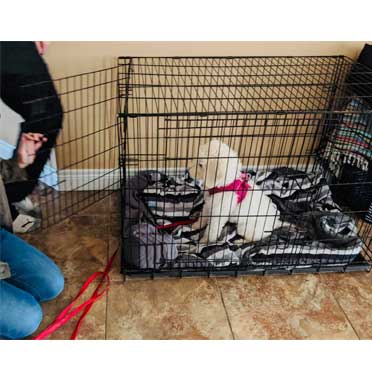
For the record, I am pro-crating. All three of my dogs are crated during the day while we are not home, and not one of them is upset or stressed about being in their crate.
When done properly, crate training your dog can create a safe, calm, and positive space. A crate should never be used as punishment. Instead, it should be introduced as a place where your dog can rest, relax, and stay safe when you cannot supervise them.
To Crate Your Dog or Not
Many dog owners wonder whether crating is necessary. Some people feel guilty about using a crate, while others are unsure if their dog really needs one.
The truth is that crate training can be incredibly helpful, especially for puppies, young dogs, active chewers, dogs who are still learning house manners, and dogs who need help settling.
Why I Believe in Crate Training
Crate training is not about locking a dog away. It is about safety, structure, and peace of mind.
When a dog is properly crate trained, the crate can become a comfortable place where they feel secure. It also helps prevent dangerous and expensive problems when you are not home to supervise.
1. Crating Helps Keep Your Dog Safe
We are responsible for the safety of our dogs.
When we leave a young dog, puppy, or active chewer uncrated and unattended, we are taking a risk. Dogs can get into things that may be dangerous or even life-threatening.
An unsupervised dog may:
- Chew or swallow something that could cause a blockage
- Get into something poisonous
- Choke on a small object
- Destroy furniture, shoes, baseboards, or household items
- Eat something you may not realize they consumed
Depending on what your dog gets into, the result could be illness, emergency surgery, or worse.
2. Crating Can Save You Money
When dogs chew belongings, it can become expensive very quickly.
Replacing shoes, furniture, rugs, doors, baseboards, or household items adds up. Even worse, if your dog swallows something that needs to be surgically removed, the cost can be significant.
Life is expensive enough. Crate training can help prevent avoidable damage and protect both your dog and your home.
3. Crating Can Reduce Your Stress
If you leave the house every morning worrying about what your dog might destroy or eat, that stress can take a toll.
Coming home to a mess only increases frustration and anxiety. But when your dog is safe in their crate, you can leave with peace of mind and return to your home exactly as you left it.
That peace of mind is valuable for both you and your dog.
Book a Consultation
Does Every Dog Need to Be Crated Forever?
Not necessarily.
Some dogs eventually earn more freedom in the home. However, that freedom should be given gradually and only when the dog has shown they can handle it.
If crate training is done properly, many dogs will still choose to use their crate even when the door is open. The crate can become their safe place, quiet space, or resting area.
Do Not Give Too Much Freedom Too Soon
One common mistake is giving a young dog too much freedom before they are ready.
If a dog transitions from being crated to being left loose and then begins chewing, destroying items, or getting into trouble, they may have been given too much freedom too soon.
When dogs are bored, under-exercised, or left without structure, they will often find something to do. Unfortunately, that may mean chewing baseboards, eating your favourite shoe, or destroying the couch.
All dogs are different. Some dogs can handle freedom sooner than others. The key is to move slowly and make sure your dog is ready.
How to Make the Crate a Positive Place
The crate should feel safe and comfortable for your dog.
To help create a positive crate experience, you can:
- Introduce the crate gradually
- Use food, meals, or treats to build positive associations
- Keep crate time calm and predictable
- Make sure your dog has enough exercise and potty breaks
- Avoid using the crate as punishment
- Choose the right crate size for your dog
A properly introduced crate can become a helpful part of your dog’s daily routine.
Need Help With Crate Training?
If your dog struggles with crate training, destructive chewing, house training, separation-related stress, or too much freedom too soon, professional guidance can help.
Our dog training programs can help you choose the right training option for your dog’s needs.
For dogs who need one-on-one support with crate training, home structure, puppy manners, or behaviour concerns, our Private Training programs may be the best fit.
If your puppy or dog is ready to learn around other dogs and people, our Group Classes can help build confidence, focus, and obedience in a structured setting.
For dogs who need more routine and structured activity during the day, our Day Camp may also provide helpful enrichment and supervised activity.
Book a Consultation
Crate training can be a simple and powerful tool when it is done properly.
It can keep your dog safe, prevent destructive habits, protect your home, reduce stress, and create a calm place for your dog to rest.
Not every dog needs to be crated forever, but many dogs benefit from having a crate as part of their routine. The key is to introduce it positively and give freedom gradually when your dog is ready.
Contact us today if you need help with crate training, puppy training, destructive chewing, or creating better structure at home.
Happy Training!
Katherine
FAQ:
Is crate training good for dogs?
Yes, crate training can be very helpful when introduced properly. It can give your dog a safe place to rest and help prevent dangerous or destructive behaviour when you cannot supervise.
Should every dog be crated?
Not every dog needs to be crated forever, but many puppies, young dogs, and active chewers benefit from crate training until they can safely handle more freedom.
Is crate training cruel?
Crate training is not cruel when it is done correctly. The crate should be a positive, safe space and should not be used as punishment.
When can I stop crating my dog?
You can begin giving more freedom when your dog has shown they can be trusted unsupervised. This should happen gradually, not all at once.
Why does my dog chew things when left alone?
Dogs may chew when they are bored, anxious, under-exercised, teething, or given too much freedom too soon. Crate training and better structure can help prevent this.
Nov 20, 2015 | Puppy Training
Dog training does not always need to be a formal 30-minute session every day.
One of the first things I tell clients is that they do not necessarily need to set aside a specific block of time for training. What they do need to do is start incorporating training exercises into everyday life.
These easy dog training tips can help you build better behaviour, better manners, and better habits without feeling like training is one more thing on your to-do list.
Easy Dog Training Tips for Everyday Life
Many people fail at training their dog because they feel like they do not have time to train every day.
But training does not have to be separate from your normal routine. In fact, real-life training is often more useful than teaching your dog a set of tricks just for a cookie.
There are opportunities to train your dog throughout the day. If you move away from the idea that you must train for 30 minutes every day and instead make training part of your lifestyle, life can become easier for everyone in your home.
Book a Consultation
Make Dog Training a Lifestyle
Dogs are creatures of habit. If you build good behaviours into your dog’s daily routine, those behaviours can naturally become habits.
Instead of only practicing commands during formal training sessions, start asking your dog for useful behaviours during normal daily activities.
This helps your dog understand that training applies everywhere, not just during “training time.”
How to Train Your Dog Without Feeling Like You Are Training
Here are a few simple ways to start incorporating training into your everyday life.
1. Practice Down Stay During Dinner
Have your dog hold a down stay outside of the kitchen while you prepare and eat dinner.
This can help prevent begging, reduce excitement around food, and stop your dog from getting underfoot while you are cooking.
It also teaches your dog how to relax while normal household activity is happening.
2. Add Sits During Your Walk
During your walk, stop occasionally and ask your dog to sit.
This helps build the automatic sit, so over time your dog learns to sit when you stop. It also creates more structure during the walk and improves focus.
3. Practice Sit-Stays on Walks
Once your dog understands sit, begin adding short sit-stays during your walk.
This allows your dog to practice staying in position around real-life distractions while still safely on leash.
Start in easier environments and gradually increase the challenge as your dog improves.
4. Teach Your Dog to Wait at Doors
Ask your dog to wait before being released to go outside.
This simple habit can reduce the risk of your dog running out the front door and helps teach impulse control, respect for space, and better doorway manners.
Doorway training is one of those small lifestyle changes that can make a big difference in safety and behaviour.
Book a Consultation
Small Lifestyle Changes Can Create Big Results
Simple changes like these can create noticeable improvements in your dog’s behaviour.
When training becomes part of everyday life, your dog gets more practice, more clarity, and more consistency. You do not need to wait for a perfect training session. You can train during meals, walks, doorways, playtime, and daily routines.
Need Help Building Better Daily Training Habits?
If you are struggling with your dog’s behaviour or are unsure how to apply training in real life, structured support can help.
Our dog training programs can help you choose the right training option for your dog’s needs.
For dogs who need one-on-one help with manners, leash walking, impulse control, or behaviour concerns, our Private Training programs may be the best fit.
If your dog is ready to learn around other dogs and people, our Group Classes can help build focus and obedience in a structured environment.
For dogs who need more mental and physical outlets, Agility and Scent Detection can provide fun ways to build confidence and engagement.
If your dog needs structured activity during the day, our Day Camp may also be a helpful option.
Final Thoughts
Training your dog does not have to feel complicated or time-consuming.
By adding small training exercises into your daily routine, you can build better habits without setting aside a huge amount of extra time.
Practice down stays during dinner, sits during walks, sit-stays around distractions, and waiting at doors. These simple exercises can create big changes in your dog’s manners and behaviour.
Contact us today if you would like help creating a practical training plan that fits your everyday life.
Happy Training!
Katherine
FAQ:
What are easy dog training tips I can use every day?
Simple daily training tips include asking your dog to wait at doors, practicing sits during walks, using down stay during meals, and adding short obedience exercises into your normal routine.
Do I need to train my dog for 30 minutes every day?
Not necessarily. Short training moments throughout the day can be very effective when they are consistent and built into everyday life.
How can I stop my dog from begging during dinner?
Teach your dog to hold a down stay outside of the kitchen or dining area while you prepare and eat dinner. This helps create calm behaviour around food.
Why should my dog wait before going outside?
Waiting at doors teaches impulse control and can help prevent door rushing. It also teaches your dog to respect space and wait for permission.
Can private training help with everyday dog manners?
Yes. Private training can help you build a realistic training plan for manners, leash walking, impulse control, household structure, and behaviour concerns.
Nov 20, 2015 | TESTIMONIALS
“Canines In Balance has transformed my dog. I’m thankful for the guidance and find the training to be very straight forward and easy for us to practice on our own between sessions. My dog is also much happier as he is getting a clear view of what we expect from him. Thank you for all of the help!”
Jenna with Heisenberg
Binbrook, Ontario
If you are looking for Dog Training in Binbrook, contact us for a FREE evaluation – 905-869-1170
Dog Training in Binbrook